A baby wipes lid is the most frequently touched component on a baby care product — opened dozens of times per day by parents whose hands are often occupied with the baby itself. That single lid must open with one hand, close with a satisfying snap that confirms the seal, survive thousands of open-close cycles without the hinge cracking, and remain safe for the infant it serves. For baby care brands and packaging procurement managers, selecting the right baby wipes lid is not a cosmetic decision — it is the decision that determines whether the product remains usable to the last wipe and safe throughout its life.
The material specification is the foundation of a safe baby wipes lid. Polypropylene (PP) is the industry standard because it delivers the three properties that infant care packaging requires: chemical safety (BPA-free and food-grade, with no harmful migration into the baby care environment), mechanical performance (the rigidity for a secure snap-fit closure combined with the flexibility for a living hinge that withstands repeated flexing), and manufacturing efficiency (consistent injection molding at high volume with tight dimensional tolerances). A baby wipes lid specified in food-grade PP, from a manufacturer with documented material certification, provides the safety baseline that infant care brands require.
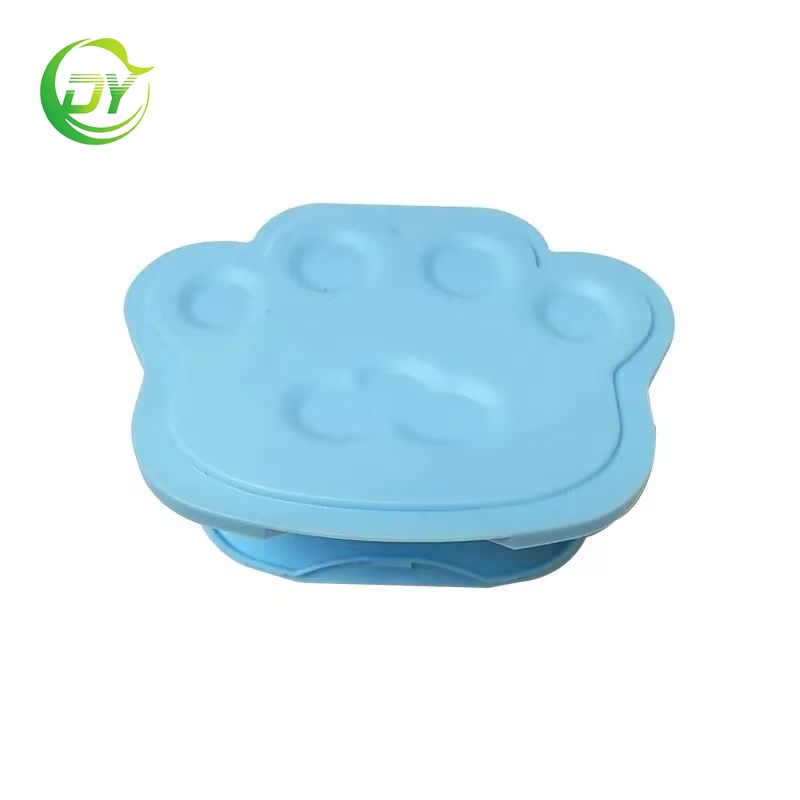
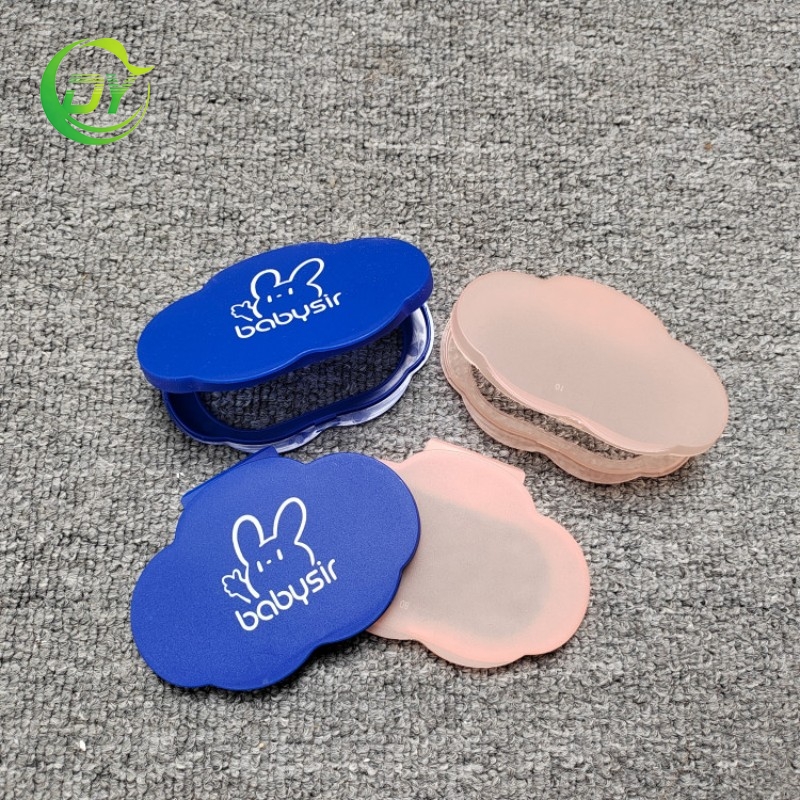
Beyond the base material, child-safety design considerations shape the lid geometry. The snap-fit force must be calibrated — firm enough that the lid stays closed and retains moisture, but not so firm that a parent struggles to open it one-handed while holding a baby. The lid edges must be smooth and free of sharp corners that could scratch infant skin during handling. The bear shape baby wipes lid from Dongyang demonstrates how these requirements translate into product design — a cute, rounded animal shape that is visually appealing to babies while the functional geometry delivers the seal and snap-fit performance that parents require.
| Seal Element | Function | Design Consideration |
|---|---|---|
| Sealing Lip / Rib | Presses against the packaging film or tub opening to create an air barrier | The lip must compress slightly when closed, creating a positive seal without excessive closing force |
| Snap-Fit Closure | Holds the lid closed with consistent pressure between uses | The snap-fit undercut and retention force determine how well the lid stays closed — a weak snap-fit allows accidental opening and moisture loss |
| Living Hinge | Connects the lid to the base through thousands of open-close cycles | The hinge must flex without cracking — PP's fatigue resistance makes it the standard material; hinge thickness and geometry are engineered for the expected cycle count |
| Dispensing Aperture | Controls wipe removal and minimizes exposure of remaining wipes to air | A smaller aperture retains more moisture but makes wipe removal harder; the aperture size balances convenience with moisture retention |
The relationship between seal integrity and moisture retention is the core engineering challenge of the wet wipes lid. Each time the lid is opened, ambient air enters and the moisture in the exposed wipes begins to evaporate. When the lid closes, the seal must arrest that evaporation by creating an air barrier. A lid with a weak snap-fit reopens accidentally in a diaper bag, and every accidental opening is an evaporation event. The cumulative effect of seal failures — not a single catastrophic failure — is what causes wipes to dry out before the package is finished. Dongyang's manufacturing, with 20-plus years of experience and 40-plus injection molding machines, delivers the dimensional consistency that makes the seal geometry perform identically from the first lid off the line to the millionth.
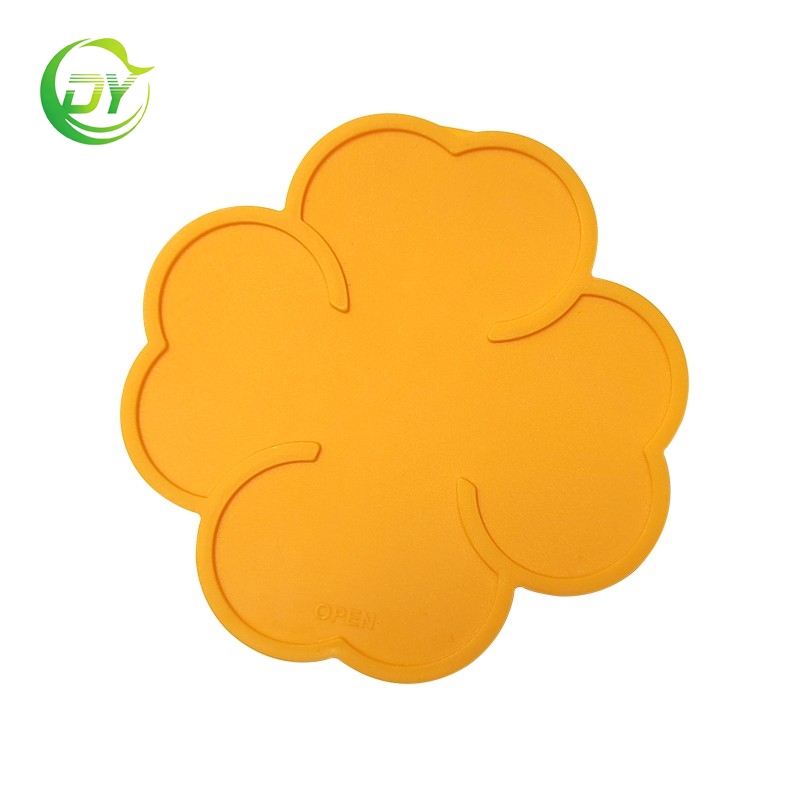
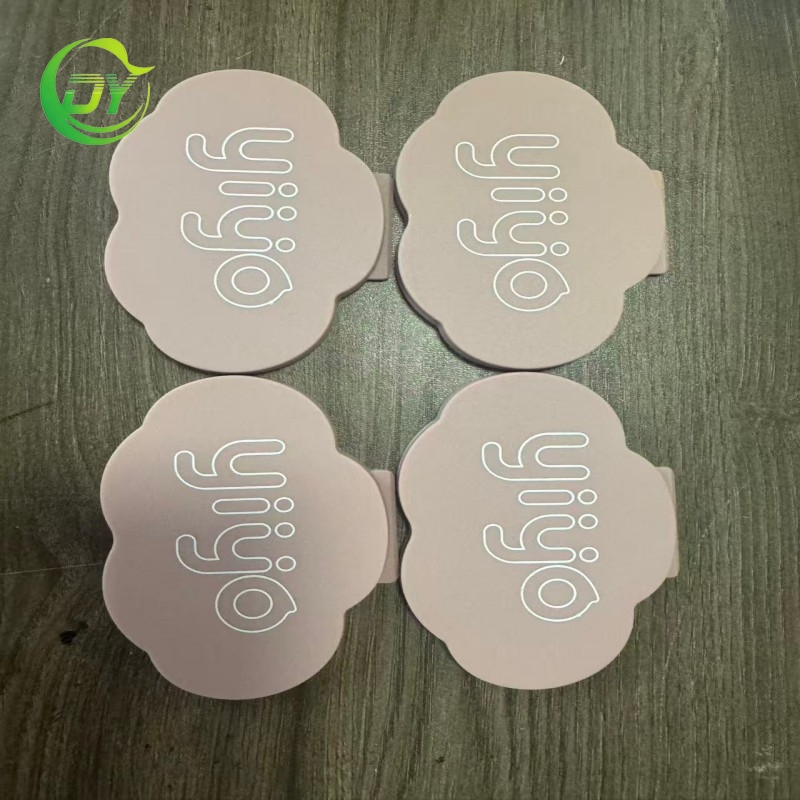
In the baby care aisle, where parents choose between functionally identical wipes, the lid is a visual and tactile differentiator. A flower shape custom wipes lid or an embossed flower wet wipe lid transforms a utilitarian closure into a branded design element that signals care and attention to detail. Color matching to the brand palette, logo embossing, and custom shapes all contribute to shelf differentiation. The lid is also a tactile touchpoint — the snap feel, the smoothness of the surface, and the ease of one-hand opening all shape the parent's perception of the brand.
Dongyang's OEM and ODM service supports this branding through the full customization workflow: color customization, logo printing, shape design, and material specification — all produced through the integrated industry-and-trade model where the Dongyang trading operation coordinates with the Zhongtian factory. For baby care brands seeking a distinctive lid design, the customization service delivers from sample production through mass production with quality inspection at each stage.
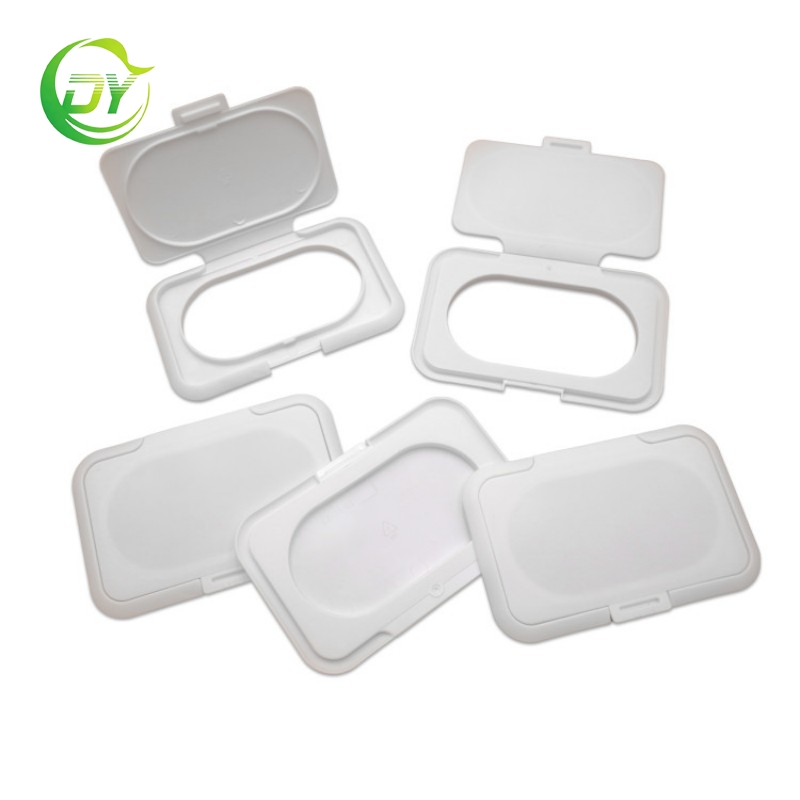
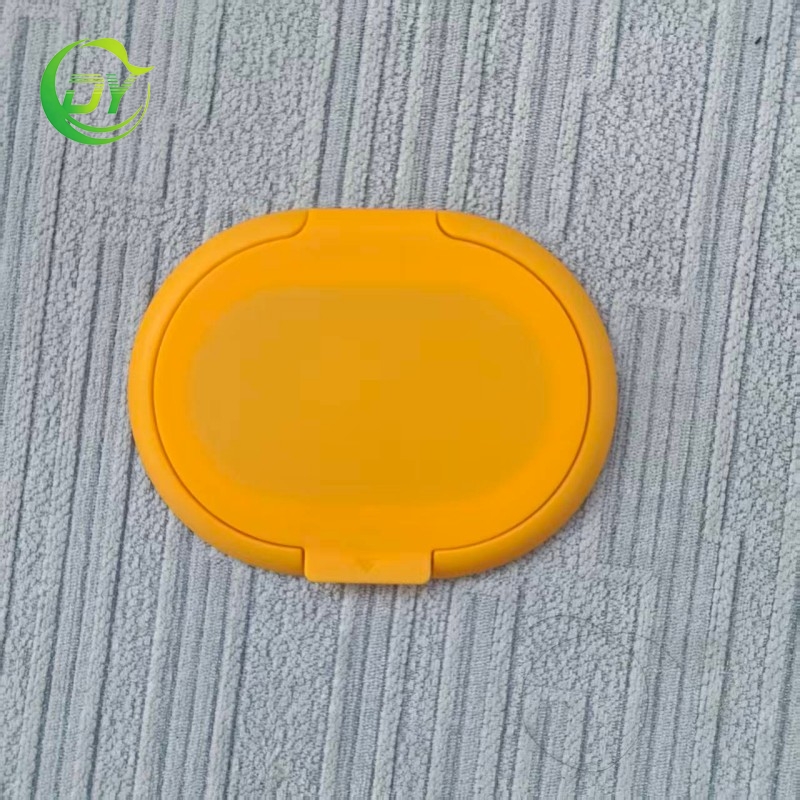
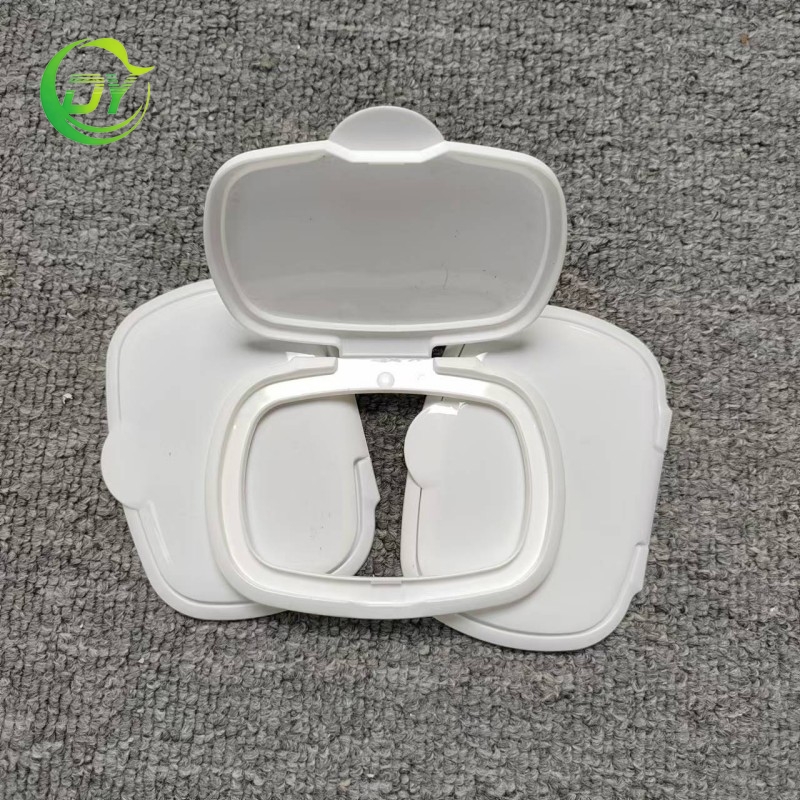
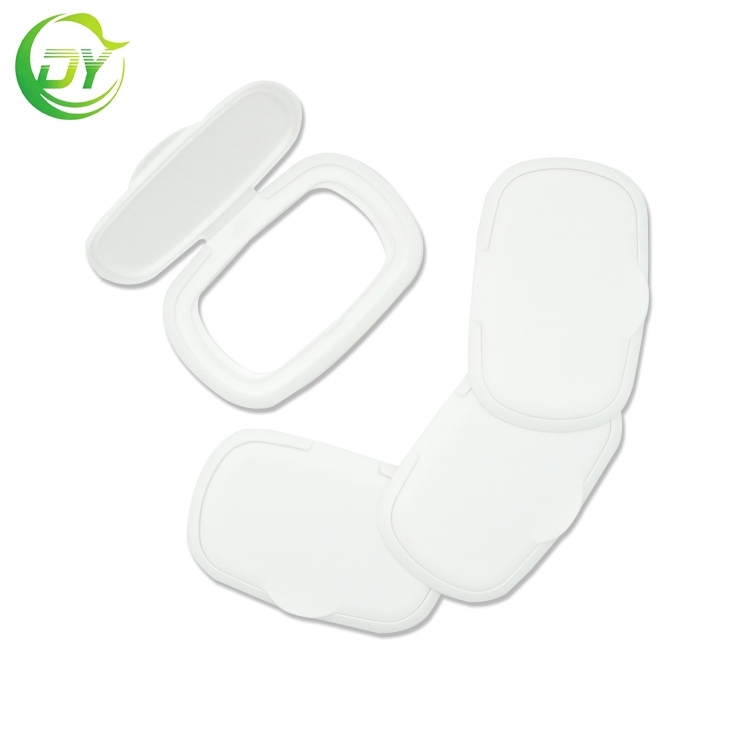
The two primary configuration decisions are the closure type and the lid's relationship to the packaging. Flip top caps — the classic oval flip lid — provide the hinged one-hand operation that dominates the baby wipes market, with the lid permanently attached to the packaging and the flip top opening to reveal the wipes. Snap-on caps — the portable snap-on design — are separate components that snap onto the packaging, used for refillable systems and travel packs where the cap can be transferred between packages. The choice depends on the packaging format: flexible flow-wrap packs typically use a flip-top lid that seals the dispensing aperture, while rigid tubs may use either a flip-top or a larger snap-on cap.
For the baby care segment specifically, the shatter-resistant wet wipes lid addresses a durability concern unique to infant products — parents drop things, and a lid that shatters on a nursery floor creates a safety hazard. The shatter-resistant formulation absorbs impact without cracking, protecting both the packaging integrity and the infant environment.
Contact Dongyang with your packaging format, material requirements, and design concept for baby wipes lid specifications and OEM quotation.
zt06@zhongtianplastic.cn