
Color mismatch is one of the most common quality problems in custom plastic wet wipes lids. Buyers want the lid, wipes pack, and brand artwork to look consistent on the shelf. A practical color control plan should combine Pantone color matching, CMYK artwork review, and Delta E testing. Dongyang recommends setting a written color tolerance before mass production, with a common target of Delta E 2 or lower for approved samples.
This guide explains how to create a reliable plastic lid color standard, what data should appear on a color approval sheet, and how overseas buyers can reduce delays caused by color disputes. It also covers polypropylene material, masterbatch selection, light conditions, proofing, and batch inspection.
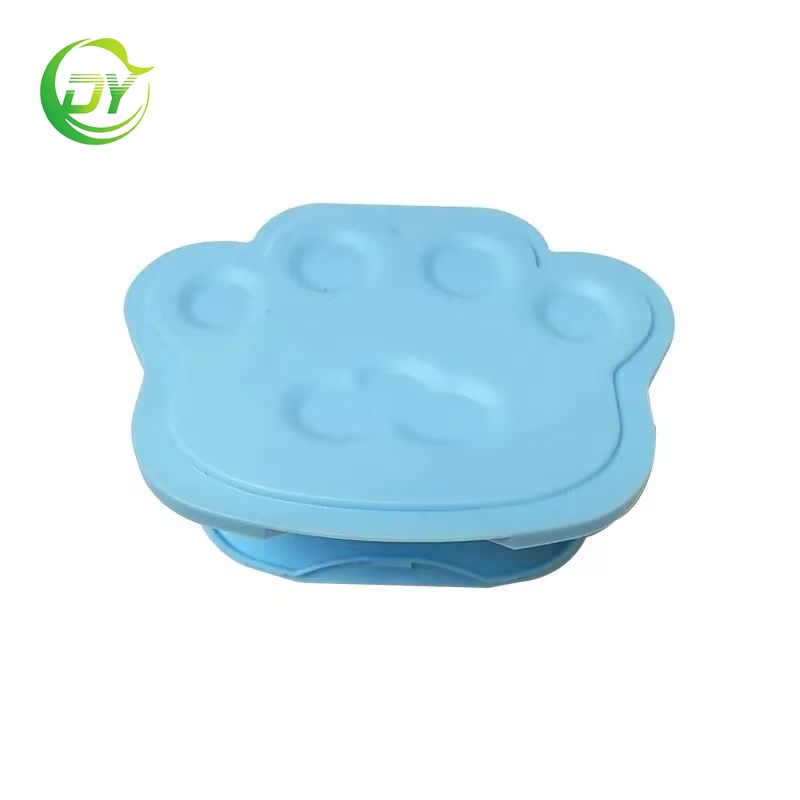
The best standard is not a color name such as “blue” or “soft pink.” It is a physical approved sample supported by a color code, material description, measurement condition, and acceptable tolerance. For most plastic wet wipes lid projects, the standard should include the following information:
- Target color reference, such as a Pantone code or customer color number
- Plastic material, usually polypropylene or another approved resin
- Colorant or masterbatch information
- Approved production sample signed by the buyer
- Color measurement method and light source
- Acceptable Delta E range
- Inspection quantity and sampling plan
A Delta E value of 2 or lower is often suitable for a premium visible lid when the material, surface, and lighting are controlled. A Delta E range of 2 to 3 may be accepted for standard packaging. The final range must be agreed by the buyer because color appearance changes with resin, gloss, texture, wall thickness, and viewing light.
1. Quick Answer: What Is the Best Color Standard for a Custom Wet Wipes Lid?
| Product requirement | Suggested Delta E target | Typical use | Buyer note |
|---|---|---|---|
| Premium brand matching | 0 to 2 | High-visibility retail lid | Use a signed physical master sample |
| Standard brand packaging | 2 to 3 | Regular wet wipes packs | Confirm the acceptable visual range |
| Economy packaging | 3 to 5 | Cost-focused mass production | Visual approval is still required |
| New color development | Set after proofing | Special or unusual colors | Do not rely on a screen image alone |
Recommended acceptance ranges
A color reference printed on paper is not the same as a molded plastic lid. Paper absorbs ink, while polypropylene reflects light from its surface. A glossy lid can look brighter and deeper than a matte lid, even when both use the same color formula.
The lid design also affects color. A thin hinge, curved edge, raised logo, or textured surface may reflect light differently from the flat center. Wall thickness can change opacity and make a color appear lighter or darker. These differences are normal production factors, but they must be controlled before the order enters mass production.
2. Why Color Matching Is Difficult for Plastic Wet Wipes Lids
- Different resin lots can have different natural tones.
- Masterbatch concentration may vary if weighing is not controlled.
- Molding temperature can affect color stability and gloss.
- Recycled content can change the base color.
- Different mold surfaces can create different levels of reflection.
- Color may look different under daylight, store light, and office light.
- Long production runs may show batch-to-batch variation.
For this reason, a supplier should not promise an exact match based only on a digital image. A professional color matching process compares the actual plastic lid with an approved standard under controlled conditions.
Main causes of color variation
3. Which Color References Should Buyers Use?
Buyers can provide a Pantone reference, a physical sample, a color chip, or an existing wet wipes lid. The most reliable option is a physical plastic sample made from the same or similar material. A Pantone code is useful for communication, but it is a starting point rather than a final guarantee.
| Color reference | Benefit | Limitation | Best practice |
|---|---|---|---|
| Pantone code | Easy for global communication | Printed color may differ from plastic | Use it to develop a plastic color chip |
| CMYK artwork | Useful for printed packaging design | Not a direct plastic molding formula | Do not use it as the only lid standard |
| Digital screen image | Fast and convenient | Screen settings change the appearance | Use only for early discussion |
| Physical plastic sample | Shows real material and surface | Needs to be shipped and stored carefully | Use as the master approval sample |
| Existing product sample | Shows the desired market appearance | Material and aging history may be unknown | Confirm its material and production age |
Why Pantone alone is not enough
Pantone references are generally designed for specific printing or coating systems. A plastic lid uses a different production method. The supplier must convert the reference into a resin and masterbatch formula, then mold a physical sample.
The buyer should review the sample under at least two lighting conditions. Daylight and cool white store lighting can reveal different color differences. If the lid will be sold in supermarkets, the buyer should focus on how it looks under expected retail lighting.
4. The Step-by-Step Color Matching Process
A clear workflow prevents most color disagreements. The following process can be used for custom plastic wet wipes lids, flip-top lids, and other injection molded packaging parts.
- Buyer sends the target color and product requirements.
- Supplier confirms material, surface finish, and color tolerance.
- Color technician selects resin and masterbatch.
- Supplier produces a small color chip or trial lid.
- Buyer checks the sample under agreed lighting.
- Both sides record the approved color data.
- Supplier starts mass production with first-piece approval.
- Quality staff inspect samples during production and before shipment.
Step 1: Confirm the product conditions
Before matching color, confirm the lid material, weight, mold, surface finish, and production method. A glossy polypropylene lid will not match a textured lid in the same way. The supplier should also know whether recycled resin is allowed and whether the lid will be printed, coated, or molded in color.
Step 2: Create the first color sample
The first sample should use the planned production resin whenever possible. A small color plaque is useful for adjusting the formula, but a complete lid is better for final approval because it shows the real geometry, gloss, and light reflection.
Step 3: Approve the master standard
The buyer should sign or digitally record the approved sample number. The approval document should include the date, color code, material, finish, Delta E range, and photos. Keep one master sample with the buyer and one with the supplier.
Step 4: Control the first production pieces
At the start of mass production, the quality team should inspect the first 10 to 30 lids, depending on order size and risk. If the color is outside the agreed range, production should stop while the formula or molding conditions are corrected.
5. What Data Should Be Included in a Color Approval Sheet?
A written color standard protects both the overseas buyer and the manufacturer. It changes a subjective discussion into a measurable inspection requirement. Dongyang can use the following data structure for a custom plastic wet wipes lid project.
| Approval item | Example information | Why it matters |
|---|---|---|
| Color name | Brand light blue | Provides simple project identification |
| Color reference | Pantone reference or customer code | Creates a shared starting point |
| Material | Virgin polypropylene | Base resin affects final appearance |
| Surface | Glossy or fine texture | Reflection changes visual color |
| Measurement | Colorimeter, agreed light source | Improves repeatability |
| Tolerance | Delta E target of 2 or lower | Defines pass or fail conditions |
| Sample number | Approved sample dated and signed | Prevents outdated samples from being used |
Understanding Delta E in simple terms
Delta E is a numerical value that describes the difference between two colors. A lower number means the colors are closer. It should not replace visual inspection, because two samples with a similar measurement can still look different when their gloss or texture is not the same.
For reliable inspection, compare samples in the same position, under the same light, and with the same cleaning condition. Dust, oil, and scratches can change the appearance of a plastic lid and lead to an incorrect color decision.
6. How to Control Color During Injection Molding
Color matching does not end after sample approval. The injection molding team must keep production conditions stable. A small change in temperature, cycle time, or material ratio may affect the final color, especially for light colors, translucent colors, and pastel colors.
Key production controls
- Use the same approved resin grade for the complete order.
- Record the masterbatch supplier, lot number, and addition ratio.
- Use calibrated weighing equipment for colorant measurement.
- Clean the barrel before changing from a dark color to a light color.
- Keep molding temperature within the approved process window.
- Monitor cycle time, cooling time, and injection pressure.
- Separate and identify each production batch.
- Inspect the first pieces after a material or machine change.
A batch record should connect every carton to a production date, machine, mold, resin lot, and masterbatch lot. This information helps the supplier find the cause if the buyer reports color variation after delivery.
7. Visual Inspection and Instrument Testing: Which Is Better?
Both methods are needed. Instrument testing gives a number, while visual inspection shows how the product looks in real use. A colorimeter may accept a sample that appears too glossy, too dull, or too transparent to the buyer.
| Inspection method | Strength | Weakness | Recommended use |
|---|---|---|---|
| Visual comparison | Shows real shelf appearance | People see color differently | Final buyer approval |
| Colorimeter testing | Provides measurable data | May not reflect gloss or texture | Batch control and trend tracking |
| Light box inspection | Controls the viewing environment | Does not recreate every store light | Standard approval checks |
| Sample comparison | Uses the actual product form | Requires a protected master sample | Most important approval method |
For overseas orders, the supplier should send clear photos and, when needed, physical samples before mass production. Photos help communication, but they should not replace the approved physical standard.
8. Common Buyer Pain Points and Practical Solutions
The lid does not match the printed wipes pack
The pack may use ink on film while the lid uses colored plastic. Ask the supplier to develop the lid against the actual printed pack, not only against the artwork file. Review both parts side by side under the same light.
The color changes between production batches
Check whether the resin, masterbatch, machine, or process settings changed. Require batch records and a first-piece inspection after every material change. A retained sample from each batch can support later investigations.
The approved sample looks different after shipment
Plastic may collect dust, oil, or packaging marks during transport. Clean the lid with a suitable method before comparison. Also compare it under the same light and viewing angle used during approval.
The buyer has only a low-resolution image
A low-resolution image is not a reliable color standard. Request a Pantone reference, a physical sample, or a confirmed color chip. If none is available, approve a supplier-made sample before placing a large order.
9. Buyer Checklist for Custom Plastic Wet Wipes Lid Color
Use this checklist before confirming production:
- Have you provided a physical sample or clear color reference?
- Is the lid material confirmed?
- Is the surface finish confirmed?
- Has the supplier made a production-like color sample?
- Have both sides agreed on the Delta E tolerance?
- Is the lighting condition written in the approval record?
- Are masterbatch and resin lot records required?
- Will the first pieces be checked before full production?
- How many pieces will be inspected per batch?
- Are retained samples required for future comparison?
10. How Dongyang Supports Color-Controlled Lid Production
Dongyang works with overseas buyers and distributors that need stable color, repeatable quality, and clear communication for Plastic Wet Wipes Lid Wholesale orders. The project can begin with a customer color reference and move through sample development, material confirmation, production approval, batch inspection, and shipment preparation.
For a faster quotation, buyers should provide the lid size, color reference, estimated quantity, surface finish, packaging requirement, and target delivery market. If the color is important to brand identity, send a physical sample whenever possible and request a written color approval sheet before mass production.
Conclusion: A Written Standard Is the Best Color Protection
Successful color matching for custom plastic wet wipes lids depends on more than selecting a Pantone number. The supplier and buyer should control the material, masterbatch, surface, lighting, measurement method, and production batch. A physical approved sample combined with a Delta E target of 2 or lower gives premium projects a clear starting point.
When the color standard is recorded before production, buyers can reduce approval delays, rejected cartons, and brand appearance problems. A simple process with measurable data helps every custom wet wipes lid order reach a more consistent result.