
Plastic Wet Wipes Lid Wholesale buyers usually compare custom and standard lids when they need a balance between packaging cost, product protection, brand recognition, and production speed. The right choice depends on more than the lid price. Shape, mold investment, sealing performance, filling-line compatibility, minimum order quantity, and the intended retail market can all change the final result.
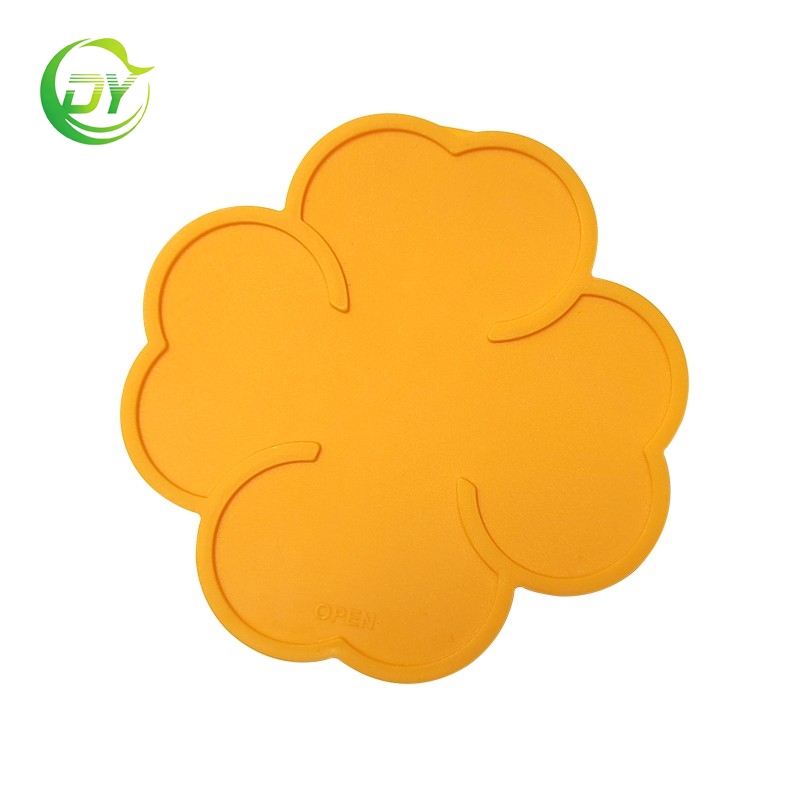
Standard wet wipes lids use existing molds and established production specifications. They are commonly available in round, oval, square, or rectangular formats that match popular wet wipes packaging sizes.
For a buyer launching a new wipes product, testing a new market, or managing a limited budget, a standard lid often reduces financial risk. The trade-off is that the package may look similar to competing products and may offer fewer options for brand differentiation.
Custom shape lids are developed around a company logo, package design, product positioning, or special opening requirement. The shape can follow a brand symbol, a geometric design, a child-friendly form, or the contour of an unusual wipes pack.
Custom design becomes more valuable when packaging appearance directly influences purchase decisions. It is less attractive when the product is sold mainly through price-driven channels where packaging differentiation cannot recover the added development cost.
| Parameter | Standard shape lid | Custom shape lid | Purchasing implication |
|---|---|---|---|
| Tooling requirement | Existing mold is normally available | New mold or substantial mold modification may be required | Custom tooling increases the initial project cost |
| Typical development time | Short, subject to stock and production schedule | Longer because of design review, sampling, and mold testing | Standard lids are better for urgent launches |
| Minimum order quantity | Usually more flexible | Often higher to spread tooling and setup costs | Confirm annual demand before choosing custom tooling |
| Shape options | Limited to the supplier's existing range | Designed around the package and brand requirements | Custom shapes provide stronger visual differentiation |
| Material options | Commonly PP or other approved plastic materials | Can be specified according to function, appearance, and compliance needs | Material selection affects rigidity, hinge life, and cost |
| Color matching | Common colors are easier to source | Specific color matching may be available with minimum volume requirements | Ask whether color is molded in or applied afterward |
| Opening dimensions | Based on existing lid and wipes pack designs | Can be adjusted for wipe thickness, dispensing speed, and moisture retention | Opening size influences user experience and drying risk |
| Sealing system | Established snap-fit or adhesive sealing design | Can be optimized for a specific pack film and lid geometry | Test the complete lid, film, and pouch combination |
| Branding area | Usually limited to standard top-surface decoration | Can include embossed, debossed, printed, or integrated brand features | Branding should not interfere with opening or sealing |
| Production stability | Usually proven through repeated production | Depends on mold optimization and pilot-run results | Require samples and production-line testing before approval |
A custom lid can have a competitive unit price at high volume, but the initial mold expense may make the first order more expensive. A standard lid may appear cheaper, but design compromises, additional packaging components, or manual assembly can increase the total cost.
For example, a custom lid may be reasonable for a retailer ordering several million packs per year. The same project may be uneconomical for a small brand ordering only a few thousand packs while still testing product-market fit.
Consumers normally open a wipes lid with one hand while holding a child, carrying a bag, driving, or cleaning a surface. A lid that is too tight feels inconvenient, while a lid that is too loose may open inside a bag.
Wet wipes gradually lose moisture when the opening is not properly sealed. During practical testing, close the lid after each use and inspect the pack over several days or weeks. A stable lid should maintain contact with the sealing area and should not develop visible gaps after repeated operation.
Wet wipes lids are passive plastic components and do not contain batteries. Therefore, purchasing teams should replace the usual battery-life question with a lifecycle durability assessment. The relevant performance indicators are hinge life, snap-fit retention, sealing consistency, resistance to transport vibration, and compatibility with repeated consumer use.
A lid that works well during a first-use demonstration may still fail after repeated opening, exposure to moisture, or storage in a hot vehicle. For this reason, production samples should be evaluated under realistic conditions rather than judged only from photographs or a single prototype.
Standard lids are more likely to match existing pouch dimensions, application fixtures, and automated assembly processes. This can reduce setup time and the risk of production interruptions.
A custom outline may look attractive but create feeding, positioning, or sealing problems. Irregular edges can cause component misalignment, slower machine speeds, or more frequent manual correction.
Before approving a custom shape, request a pilot run using the intended production equipment. Measure application speed, rejection rate, lid alignment, seal strength, and the number of operator interventions. A successful sample on a workbench does not prove that the design will remain stable during high-volume production.
As the comparison shows, neither design is universally superior. Standard lids reduce operational risk, while custom lids can increase commercial value when the product has sufficient volume and a clear brand strategy.
Choose a standard lid when the main purchasing objective is stable supply at a controlled cost.
Choose a custom lid when packaging identity and consumer recognition justify the additional development work.
Once these results are recorded, the purchasing team can compare the options using evidence instead of appearance alone. This also gives the supplier clear information for improving the mold or adjusting the standard specification.
A standard lid is generally the safer choice when demand is uncertain, the launch schedule is short, or the product competes mainly on price. It provides a practical route to market and allows the buyer to collect sales data before investing in a proprietary package component.
A custom lid is justified when the product has a strong brand identity, reliable repeat demand, and a packaging strategy that depends on visual recognition. The decision should be supported by forecast volume, target retail price, expected product life, and production-line capacity.
For most purchasing groups, the most balanced process is to launch with a proven standard lid, measure market response, and then develop a custom lid when volume and brand positioning are sufficiently clear. For established brands, a custom lid may be the better first choice if it improves recognition, user convenience, and perceived product quality without compromising production stability.
When evaluating Plastic Wet Wipes Lid Wholesale options, Dongyang can help buyers compare standard and custom solutions according to pack dimensions, sealing requirements, order volume, and application conditions. The strongest purchasing decision is the one that combines reliable lifecycle performance with a realistic total cost, rather than choosing the lowest unit price or the most unusual shape alone.