
Plastic Wet Wipes Lid Wholesale has become an important packaging solution for baby wipes, personal care wipes, household cleaning wipes, and industrial wipes. Buyers often search for a wholesale plastic wet wipes lid supplier, a reliable custom wet wipes lid manufacturer, or a durable flip-top lid for wet wipes packaging that can protect moisture and support fast production. A well-designed lid reduces drying risk, improves user convenience, and gives the package a clean space for branding.
Wet wipes contain a high percentage of water and active ingredients. If the opening is not sealed correctly, evaporation can change the wipe texture and reduce product performance. The lid must therefore work with the flexible refill pack, adhesive label, sealing film, and dispensing opening as one packaging system.
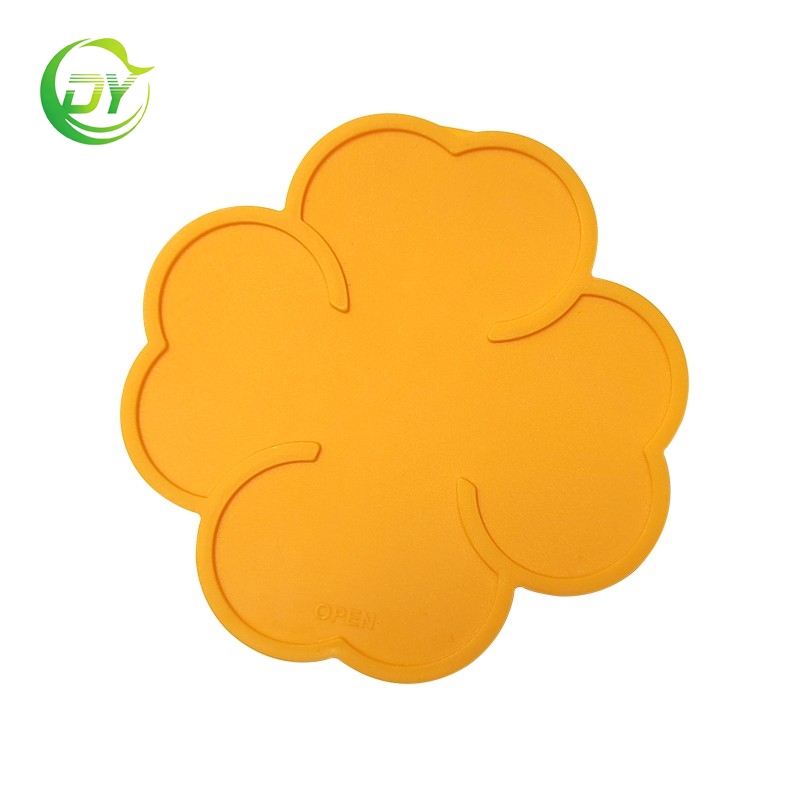
A plastic wet wipes lid is a reusable closure fixed over the dispensing opening of a wet wipes package. It normally includes a top cover, hinge, base frame, sealing area, and adhesive or heat-sealing interface. The consumer opens the lid to remove one wipe and closes it after use.
In packaging terminology, the lid is often called a flip-top closure, resealable wipes lid, or plastic dispensing cover. It is different from the primary package film because the lid provides mechanical protection and repeated opening and closing. The film pouch holds the liquid, while the lid helps preserve moisture after the first opening.
Most lids are produced through injection molding. Polypropylene, or PP, is widely used because it offers low density, good chemical resistance, and suitable living-hinge performance. Depending on the design, manufacturers may also use polyethylene or a multilayer structure. The final choice depends on hinge life, rigidity, color, printing, chemical compatibility, and cost.
Wholesale purchasing is useful when a brand needs stable supply, consistent dimensions, and lower unit cost. Instead of buying small mixed batches, a buyer can approve one mold and use the same closure design across several product sizes.
Actual performance should be measured rather than described with vague terms such as “high quality.” For example, an OEM quality plan may measure lid opening force, hinge cycle life, dimensional tolerance, adhesive peel strength, and leak or moisture-retention performance. The acceptance limits should be agreed before mass production.
A product drawing is the main technical document used by the mold maker, packaging factory, quality team, and buyer. A good drawing prevents misunderstandings about fit, material, decoration, and testing. It should include the following information.
The drawing should identify the lid length, width, height, corner radius, and base thickness. It should also show the dimensions of the pouch contact area. If the lid is designed for a specific pack size, include the pouch opening length and width.
Typical drawing notes may include:
Do not apply one tolerance to every feature. A hinge pin, sealing surface, and pouch contact edge may require tighter control than a non-functional outer surface. The drawing should mark critical-to-function dimensions separately.
The drawing should state the resin type, grade, color standard, and any required additives. For a PP lid, the document may specify virgin PP, recycled content percentage, impact modifier, or color masterbatch limits.
Important material details include:
Material selection must match the wet wipe formula. Alcohol, essential oils, surfactants, preservatives, and acidic or alkaline ingredients may affect some plastics, adhesives, or printed coatings. A compatibility test should be completed with the actual wipe liquid, not only with water.
The hinge is one of the most important functional areas. Many flip-top lids use an integrated living hinge, which is a thin flexible section molded as part of the lid. The drawing should show hinge width, thickness, radius, hinge pin position if applicable, and the target opening angle.
The specification should also define:
A hinge cycle test can record whether cracks, whitening, deformation, or loss of closing force appear after repeated use. The buyer should define the number of cycles based on the expected consumer usage pattern.
The drawing must show the area that bonds to the flexible pouch. This may be an adhesive bonding surface or an area designed for heat sealing. The surface should be flat enough for continuous contact and free from unnecessary texture.
Include these details:
Adhesive selection should consider pouch film, humidity, storage temperature, and the liquid inside the wipes. A bond that performs well on a dry laboratory sample may fail after contact with moisture or oil-based ingredients.
The opening controls how easily users remove one or more wipes. If it is too small, the wipe may tear or require excessive force. If it is too large, several wipes may come out together and more moisture may escape.
The drawing should specify the opening shape, radius, edge condition, and connection with the inner sealing film. Rounded edges are generally preferred because they reduce snagging during dispensing. The design should also avoid sharp flash, burrs, or incomplete filling around the opening.
OEM buyers can request a plain surface, in-mold decoration, hot stamping, screen printing, or embossed branding. The drawing should show the logo position, maximum logo size, artwork direction, and color references.
For accurate production, provide:
A complete product drawing should link each critical feature to a test or inspection method. Useful controls include dimensional inspection, visual inspection, hinge testing, closure testing, adhesion testing, and packaging transport testing.
Many manufacturers use ISO 2859-1 sampling principles for lot inspection. The exact AQL level must be agreed by the buyer and supplier because the standard provides sampling procedures rather than one universal quality limit.
For transport evaluation, ASTM D4169 provides distribution-cycle testing for packaged products. The test plan may include vibration, shock, compression, and environmental conditioning. The lid itself should be checked after testing for detachment, cracking, deformation, and loss of closure function.
PP is commonly selected for flip-top lids because it combines low weight with good fatigue resistance. The living hinge must be designed with the correct material flow direction and wall thickness. A poor gate position or uneven cooling can create stress that causes early hinge failure.
PE may be suitable for flexible or softer lid structures. However, the final decision should consider stiffness, snap fit, surface appearance, chemical resistance, and the application method used by the wipes factory.
The usual process includes mold design, resin drying or preparation where required, injection, cooling, ejection, trimming, inspection, and packing. Mold temperature, injection speed, holding pressure, and cooling time can affect warpage and hinge performance.
Before mass production, the supplier should provide molded samples for:
Incoming resin inspection, first-piece approval, in-process checks, and final sampling help control variation. A professional quality record should include production date, mold number, resin batch, machine number, inspection result, and nonconformity action.
Common defects include short shots, flash, sink marks, weld lines, black specks, color differences, warped bases, weak hinges, and poor adhesive bonding. Each defect should have a written acceptance standard and a corrective action process.
Baby wipes are frequently opened during feeding, travel, diaper changes, and nighttime care. A smooth lid with a controlled opening helps protect the wipe stack while allowing one-handed use. The surface should be easy to clean and free from sharp edges.
Facial wipes, makeup remover wipes, intimate wipes, and body wipes often require attractive colors and a clean appearance. A custom lid can match the pouch design and support retail shelf presentation.
Kitchen, bathroom, glass, and disinfecting wipes may contain stronger surfactants, solvents, or alcohol. For these products, chemical compatibility and adhesive durability are important. The lid material should be tested with the exact cleaning formula and storage conditions.
Pet cleaning wipes are used for paws, fur, ears, and other areas. The opening should allow controlled removal because pet wipes may be thicker than facial wipes. A wide, rounded dispensing opening can reduce tearing during use.
Industrial wipes may contain degreasers, lubricants, or other active chemicals. The packaging needs stronger material compatibility testing and may require a larger lid, thicker wall, or reinforced hinge. Storage temperature and transport conditions should be included in the test plan.
Price is only one part of the purchasing decision. A low unit price may create higher costs if the lid does not fit the pouch, fails on the packaging line, or causes moisture loss during storage.
Evaluate a supplier using the following checklist:
Ask for a complete quotation that separates mold cost, unit price, decoration cost, packaging cost, sample charges, and shipping terms. The quotation should also state the minimum order quantity, lead time, payment terms, and replacement policy for confirmed defects.
Wet wipes packaging does not use one single global test standard for every product. The correct test plan depends on the lid material, pouch structure, wipe formula, market, and distribution route. The following sources can support a professional specification:
These references do not replace product-specific testing. A buyer should create a written control plan covering dimensions, hinge function, adhesion, liquid compatibility, moisture retention, transport damage, and appearance.
Possible causes include low adhesive strength, contaminated bonding surfaces, incorrect application pressure, or poor compatibility between the adhesive and pouch film. The solution is to test the actual pouch film and adhesive under high humidity and after contact with the wipe liquid.
Drying can result from an imperfect inner seal, a warped lid base, a loose cover, or an opening that is too large. Check the sealing film, gasket contact, lid flatness, and closure pressure. Moisture-retention tests should compare samples after defined storage periods and temperatures.
Hinge failure may be linked to unsuitable resin, excessive wall thickness, poor mold filling, sharp transition areas, or repeated opening beyond the intended angle. Review the material grade, gate position, hinge geometry, and cycle test results.
Excessive opening force can reduce user satisfaction, especially for elderly users or people with limited hand strength. Reduce snap interference, adjust the thumb tab, or change the hinge and locking geometry. Opening force should be measured with a defined test method rather than judged only by hand.
This problem may be caused by a large opening, an unsuitable wipe-fold format, excessive liquid, or a pouch opening that does not match the lid. Test the closure with production-speed dispensing and the actual wipe thickness.
Dongyang can be considered when a brand needs an OEM closure developed around a specific pouch, wipe formula, and packaging process. The project should begin with technical information rather than only a product photograph.
Prepare the following details before requesting a quotation:
Dongyang can then review the lid structure, recommend material and hinge details, prepare samples, and confirm the drawing before mass production. The buyer should approve a signed sample and a final technical specification before placing a large order.
The minimum order quantity depends on lid size, color, decoration, mold arrangement, and production capacity. Plain stock lids usually have different requirements from fully customized lids. Request the MOQ for both standard colors and custom colors.
Yes. Custom colors can normally be produced with color masterbatch or other approved methods. The buyer should provide a Pantone reference or physical color sample and approve a molded sample under the intended lighting conditions.
Yes. Common options include screen printing, hot stamping, pad printing, and in-mold decoration. The best method depends on the surface shape, order quantity, logo detail, durability requirement, and budget.
PP is a common choice for rigid flip-top lids and living hinges, but it is not automatically the best option for every formula. The supplier should test the material against the actual liquid, preservative system, storage temperature, and packaging film.
Use production-equivalent pouches, lids, sealing films, and wipe liquid. Record initial package weight, storage temperature, humidity, and test duration. Compare weight loss, wipe moisture, texture, and package condition after the test. A laboratory protocol should define the sample number and acceptance limit.
Send the pouch drawing, lid dimensions if available, opening size, wipe details, material preference, color, logo artwork, expected order quantity, application method, and delivery destination. Photos alone are not enough for accurate tooling and fit evaluation.
Recyclability depends on resin type, additives, color, adhesive, attached film, and local recycling rules. A PP lid may be technically recyclable, but the complete pouch system may be difficult to process. Confirm the target market’s labeling and packaging requirements before making an environmental claim.
Start by measuring the pouch opening and collecting the wet wipe formula information. Next, prepare a product drawing or request one from the supplier. Confirm the material, hinge design, sealing method, logo position, inspection limits, and test plan. Review molded samples on the real packaging line before approving mass production.
For brands comparing a custom plastic wet wipes lid supplier, the safest next step is to request samples and a technical drawing from Dongyang. A documented specification, real-product testing, and clear quality limits will help you select the right Plastic Wet Wipes Lid Wholesale solution for long-term production.