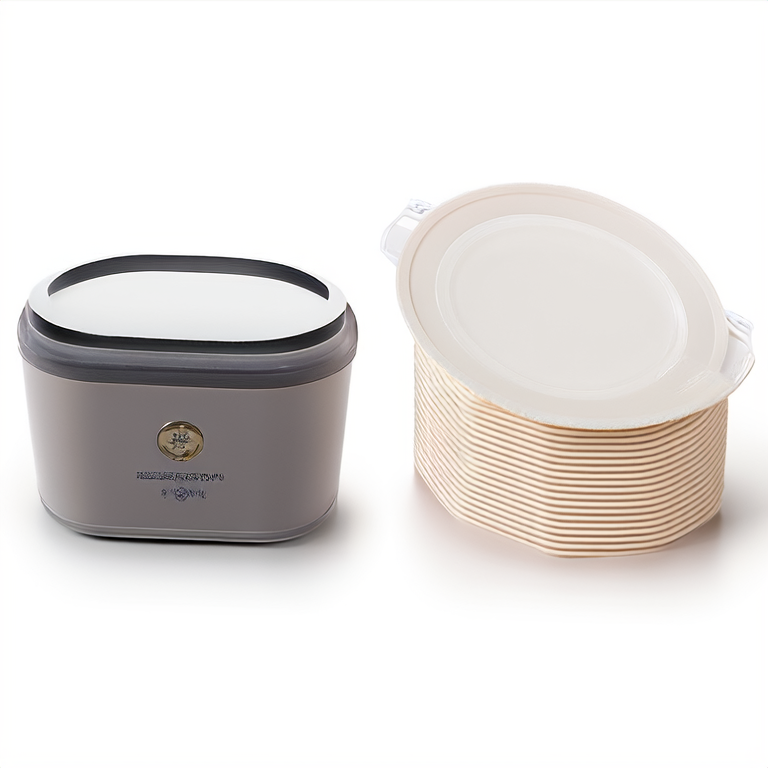
Plastic lids are commonly used for wet wipes packaging due to their durability and cost-effectiveness. They provide a firm seal, keeping the wipes moist and fresh for longer periods.
Biodegradable lids are designed to break down more naturally after disposal. Made from materials that decompose in the environment, they appeal to environmentally conscious consumers who prioritize sustainability.
Plastic lids generally offer superior sealing, preventing air from compromising the product. In contrast, biodegradable lids may not seal as tightly, which can affect moisture retention.
| Type of Lid | Average Cost |
|---|---|
| Plastic Lid | $0.05 per unit |
| Biodegradable Lid | $0.10 per unit |
Plastic lids generally have a longer battery life in terms of moisture retention, ensuring that wipes remain usable over an extended period. With biodegradable lids, users may find that the wipes can dry out faster.
Plastic lids provide enhanced durability during transportation, resisting impacts and potential leaks. Biodegradable lids, while environmentally friendly, may compromise stability leading to package damage.
Plastic lids are ideal for high-volume production where cost efficiency and durability are paramount. Manufacturers focusing on traditional markets may find plastic lids more suitable.
Biodegradable lids cater to businesses targeting eco-friendly consumers. Brands committed to sustainability and reduced environmental impact should consider this option despite the higher price point.
In summary, as a Wet Wipes Cover Manufacturer, Dongyang provides a range of packaging solutions to fit different market needs. Consider the preferences and pain points of your target consumers when choosing between plastic and biodegradable lids for wet wipes packaging.