
News
News

Plastic Wet Wipes Lid Weight: How It Affects Cost and Packaging Performance

Sep. 23, 2026

Plastic Wet Wipes Lid Wholesale buyers need to evaluate more than the unit price of a lid. Lid weight affects resin consumption, freight cost, packaging efficiency, opening performance, sealing reliability, and the perceived quality of the finished wipes pack. This guide explains how to calculate the real cost of different lid weights, test packaging performance, compare suppliers, and avoid common purchasing mistakes.

Searchers usually want practical information rather than a general definition. They need to know how many grams of plastic are used, how weight changes the landed cost, whether a lighter lid will crack or deform, and how to select the best specification for high-volume production.
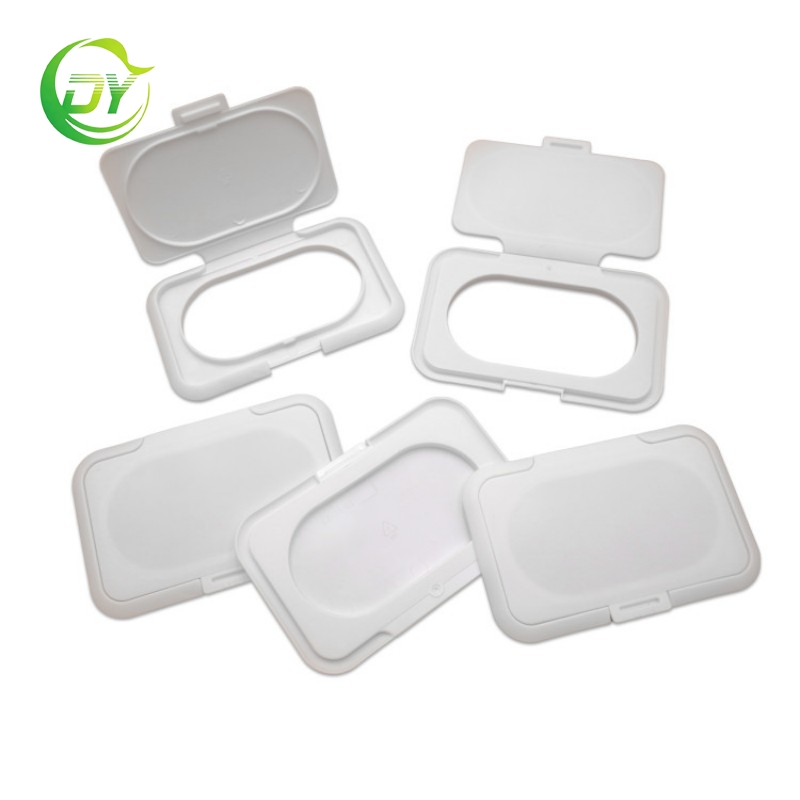
Plastic Wet Wipes Lid Weight: How It Affects Cost and Packaging Performance
A plastic wet wipes lid must balance low material usage with reliable sealing and opening performance.

Understand What Lid Weight Means for Purchasing Decisions

Why buyers search for lid weight information

Purchasing teams often compare several lids that look almost identical but have different weights. A difference of only a few grams can create a significant cost difference when multiplied by hundreds of thousands or millions of packs. However, the lightest lid is not automatically the best choice if it causes breakage, poor adhesion, or customer complaints.

The purchasing group generally wants answers to these questions:

  • What is the actual weight of each lid specification?
  • How much resin cost is included in each piece?
  • How much can freight cost change when the lid is lighter?
  • Can a lightweight lid withstand stacking, transport, and warehouse handling?
  • Will the lid remain attached to the wipes pack during repeated opening?
  • Does the lid protect moisture and fragrance effectively?
  • Can the supplier maintain consistent weight during mass production?
  • Is the quoted weight based on the lid only or the complete lid assembly?

Separate lid weight from total closure weight

Before comparing quotations, confirm what the supplier includes in the stated weight. A complete plastic closure may include the outer lid, hinge, base frame, adhesive layer, release liner, and sometimes a sealing film. Two suppliers may use the same term but measure different components.

Ask suppliers to provide the following information separately:

  • Outer lid weight in grams.
  • Base frame weight in grams.
  • Total plastic component weight in grams.
  • Adhesive or label weight if included.
  • Packaging weight per carton.
  • Weight tolerance for mass production.

Calculate How Lid Weight Changes Product Cost

Use the material cost formula

The basic resin cost for one lid can be calculated with this formula:

Resin cost per lid = lid weight in grams / 1000 x resin price per kilogram

For example, assume one lid weighs 3.2 grams and the resin price is 2.00 USD per kilogram:

  1. Convert the lid weight from grams to kilograms: 3.2 / 1000 = 0.0032 kilograms.
  2. Multiply the weight by the resin price: 0.0032 x 2.00 USD = 0.0064 USD.
  3. The estimated resin cost is 0.0064 USD per lid before molding, labor, packaging, and overhead.

Calculate the annual material difference

Small weight differences become important at high production volumes. If one lid is 0.8 grams heavier than another and the annual requirement is 5,000,000 pieces, the additional resin usage is:

  1. Calculate the extra resin: 0.8 grams x 5,000,000 pieces = 4,000,000 grams.
  2. Convert grams to kilograms: 4,000,000 / 1000 = 4,000 kilograms.
  3. If resin costs 2.00 USD per kilogram, the additional resin value is 8,000 USD.

This calculation does not mean that the heavier lid is always uneconomical. The heavier design may reduce failure rates, improve sealing, or provide a better user experience. The correct comparison is total cost of ownership, not resin cost alone.

Include tooling, molding, packaging, and quality costs

The quoted lid price normally includes more than raw material. A purchasing calculation should consider:

  • Plastic resin cost.
  • Injection molding machine time.
  • Labor and inspection cost.
  • Color masterbatch and additives.
  • Mold depreciation and maintenance.
  • Individual or bulk packaging.
  • Domestic transportation to the export warehouse.
  • International freight and insurance.
  • Quality inspection and rejection cost.
  • Expected replacement cost for damaged lids.

A slightly heavier lid may be more economical if it has fewer defects and creates less waste on the wipes production line.

Compare Lightweight and Heavyweight Lid Designs

Advantages of a lightweight plastic lid

  • Uses less plastic resin per piece.
  • Reduces total product weight.
  • May lower air freight and courier charges.
  • Can reduce carton weight and warehouse handling effort.
  • Supports material reduction and sustainability targets.
  • May allow more finished packs per pallet within a weight limit.

Lightweight designs work well when the hinge, snap fit, sealing surface, and lid wall thickness are properly engineered. They require accurate molding control because small changes in wall thickness can affect strength and flatness.

Advantages of a heavier plastic lid

  • Usually provides greater rigidity.
  • May resist crushing during transport more effectively.
  • Can provide a stronger hinge and snap closure.
  • May improve the premium appearance of the wipes package.
  • Can reduce deformation under heat or stacking pressure.
  • May support repeated opening and closing more reliably.

A heavier lid is not automatically stronger if the material, mold design, hinge geometry, or processing conditions are poor. Weight should always be reviewed together with resin type, structural design, and test results.

Use performance cost instead of unit price alone

Purchasers should compare each option using the following calculation:

Total packaging cost = purchase price + freight + handling + production loss + complaint cost

For example, a lower-priced lightweight lid may create additional costs if it causes:

  • Cracked hinges during transport.
  • Incomplete sealing after filling.
  • Lids that detach from the flexible pouch.
  • High rejection rates during packing.
  • Moisture loss during storage.
  • Retail returns caused by poor opening performance.

Follow a Step-by-Step Lid Weight Evaluation Process

First step: Define the packaging application

Record the basic conditions of the finished wipes pack before requesting samples. Lid performance depends on the pouch material, opening size, wipes formulation, filling process, storage environment, and distribution route.

  • Finished pack dimensions.
  • Film structure and thickness.
  • Opening size and shape.
  • Number of wipes per pack.
  • Wipe moisture level.
  • Expected shelf life.
  • Storage temperature and humidity.
  • Domestic or international transport method.
  • Target annual quantity.
  • Required color, logo, and surface finish.

Second step: Request a complete technical quotation

Ask each supplier to quote the same information. This prevents a low quotation from hiding differences in structure or included components.

Request:

  • Unit weight and weight tolerance.
  • Material type and grade.
  • Product dimensions and tolerances.
  • Hinge design and expected cycle life.
  • Adhesive type and adhesive area.
  • Minimum order quantity.
  • Tooling charge and lead time.
  • Production capacity per month.
  • Inspection standard and defect classification.
  • Carton quantity, carton dimensions, and gross weight.
  • Incoterm and estimated shipping cost.

Third step: Weigh representative samples

Do not weigh only one lid. Select samples from different cartons and production batches to identify variation.

  1. Choose at least 10 to 30 pieces from different cartons.
  2. Confirm that each sample is complete and free from flash or damage.
  3. Zero the scale before testing.
  4. Record the weight of each piece to two decimal places if possible.
  5. Calculate the average weight.
  6. Record the lightest and heaviest sample.
  7. Calculate the weight range and standard deviation if volume is high.

The average weight is useful for cost calculation, while the range indicates production consistency. A supplier should explain any large variation between samples.

Fourth step: Measure dimensions and critical areas

Weight alone cannot confirm compatibility. Use a digital caliper to measure the outer length, width, height, hinge thickness, sealing surface, and opening dimensions.

Pay particular attention to:

  • Base frame flatness.
  • Hinge wall thickness.
  • Snap feature dimensions.
  • Sealing edge width.
  • Adhesive contact area.
  • Clearance between the lid and the pouch opening.

Fifth step: Test attachment to the actual wipes pouch

Apply the sample lid to the same type of flexible packaging used in production. A lid may perform well on a laboratory film but fail on a different film with a different surface treatment or coefficient of friction.

  1. Prepare clean pouches with the intended film structure.
  2. Apply the lid using the proposed production pressure and dwell time.
  3. Allow the adhesive to cure for the supplier's recommended period.
  4. Inspect for lifting, wrinkles, bubbles, and incomplete contact.
  5. Open and close the lid repeatedly.
  6. Check whether the lid remains attached after handling and transport simulation.

Sixth step: Test moisture retention and sealing performance

The closure must protect the wipes from moisture loss and contamination. Test finished packs rather than isolated lids because the pouch material and adhesive also affect the result.

  1. Fill test packs with the intended wipes and liquid formulation.
  2. Record the initial pack weight.
  3. Close the lid and store samples at normal and elevated conditions.
  4. Inspect the closure at regular intervals.
  5. Compare pack weight loss with an approved reference sample.
  6. Check for leakage, odor loss, drying, and liquid migration.

Seventh step: Perform transport and repeated-use tests

Packaging performance must be evaluated under realistic distribution conditions. A lid that passes a visual inspection may fail after vibration, stacking, or repeated consumer use.

Recommended tests include:

  • Drop testing from the agreed handling height.
  • Carton compression testing.
  • Vibration testing for road, sea, or air transport.
  • Temperature cycling.
  • Humidity exposure.
  • Repeated opening and closing.
  • Hinge fatigue testing.
  • Snap closure retention testing.
  • Adhesion peel or pull testing.

Eighth step: Approve the specification in writing

After testing, create an approved product specification. It should include the target weight, allowable tolerance, material, dimensions, color, surface finish, adhesive requirements, packaging method, and inspection standard.

Written approval prevents later disputes caused by changes in resin, mold settings, wall thickness, or supplier production location.

Prepare the Required Tools for Accurate Evaluation

Basic weighing and measuring tools

  • Digital scale with suitable capacity and resolution.
  • Calibration weights.
  • Digital caliper.
  • Ruler or measuring tape for carton dimensions.
  • Sample bags and labels.
  • Permanent marker or digital sample identification system.
  • Calculator or spreadsheet software.

Packaging performance test tools

  • Adhesion test equipment or a controlled manual pull method.
  • Compression testing equipment.
  • Drop test equipment or a controlled drop test area.
  • Vibration test equipment where available.
  • Temperature and humidity chamber.
  • Moisture loss measurement system.
  • Magnifying glass or inspection camera.
  • Opening and closing cycle counter.

Data and purchasing tools

  • Supplier comparison spreadsheet.
  • Annual volume forecast.
  • Freight quotation calculator.
  • Defect and complaint tracking sheet.
  • Approved sample record.
  • Purchase specification and quality agreement.

Identify the Main Packaging Performance Factors

Hinge durability

The hinge is one of the most important parts of the lid. A very thin hinge may reduce weight but can crack during assembly, transport, or repeated opening. Inspect the hinge for uniform thickness, clean molding, and smooth movement.

Test the hinge under the actual opening angle. Do not force it beyond the intended range because this may produce results that do not represent consumer use.

Snap closure reliability

The snap feature must close securely without requiring excessive force. If the closure is too loose, the pack may open during transport. If it is too tight, consumers may struggle to open it or may pull the entire lid away from the pouch.

Measure:

  • Initial closing force.
  • Initial opening force.
  • Opening force after repeated cycles.
  • Closure retention after temperature exposure.
  • Visible deformation after stacking.

Adhesion and base frame flatness

A lid with adequate weight can still fail if the base frame is warped or the adhesive is poorly selected. The base should sit flat against the pouch and maintain full contact around the opening.

Check for:

  • Gaps between the frame and pouch.
  • Uneven adhesive distribution.
  • Lifted corners.
  • Film wrinkles under the frame.
  • Contamination on the adhesive surface.
  • Insufficient pressure during application.

Moisture and contamination protection

The closure should help preserve the wipes' moisture level and prevent dust or contamination from entering the opening. Review the lid design together with the pouch film, adhesive, sealing membrane, and product filling method.

For a reliable evaluation, use the actual wipes liquid, because alcohol, preservatives, oils, and fragrances can affect adhesive performance and plastic compatibility.

Avoid Common Mistakes When Comparing Lid Weight

Mistake 1: Choosing the lightest lid without testing

A low weight may reduce resin cost but increase production waste and customer complaints. Always confirm hinge strength, attachment, closure force, and moisture retention before approval.

Mistake 2: Comparing different components

One quotation may list the lid only while another lists the lid, base, adhesive, and liner. Request a component-level weight breakdown before comparing prices.

Mistake 3: Weighing too few samples

One sample cannot show production variation. Use samples from multiple cartons and batches, then compare average weight and tolerance.

Mistake 4: Ignoring freight and carton efficiency

A lower unit price may not provide the lowest landed cost if the product uses larger cartons, has poor carton utilization, or requires special protection. Compare gross weight, carton dimensions, loading quantity, and shipping method.

Mistake 5: Testing an empty pouch only

A closure may behave differently after the pouch is filled with wet wipes. Test the actual liquid, wipe count, film structure, and production process.

Mistake 6: Accepting a weight change without approval

Some suppliers reduce weight after the initial approval to lower their own material cost. Set a written tolerance and require approval for any change to weight, material, mold, color, or dimensions.

Mistake 7: Focusing only on resin savings

The best purchase decision considers the full cost of materials, freight, production efficiency, quality loss, and consumer experience. A small resin saving is not worthwhile if the lid damages the brand's reputation.

Use a Practical Supplier Comparison Checklist

Compare technical specifications

  • Target lid weight and tolerance.
  • Material type and recyclability information.
  • Product dimensions and critical tolerances.
  • Hinge and snap structure.
  • Adhesive specification.
  • Available colors and surface finishes.
  • Logo and printing options.

Compare manufacturing capability

  • Injection molding equipment and production capacity.
  • In-house mold development or external tooling control.
  • Automated assembly capability.
  • Quality inspection process.
  • Batch traceability.
  • Capacity during peak seasons.
  • Ability to maintain the approved weight over time.

Compare commercial conditions

  • Unit price at each volume level.
  • Tooling cost.
  • Minimum order quantity.
  • Sample and pilot order terms.
  • Lead time.
  • Payment terms.
  • Packaging and carton information.
  • Shipping terms and estimated landed cost.
  • Replacement policy for defective goods.

Score the supplier using weighted criteria

A simple scoring model helps purchasing teams avoid selecting a supplier based only on price.

Evaluation category Suggested weight
Unit price and landed cost 25 percent
Weight consistency 15 percent
Hinge and closure performance 20 percent
Adhesion and moisture protection 20 percent
Production capacity and lead time 10 percent
Technical service and quality support 10 percent

Adjust the scoring weights according to the product's position. A premium wipes brand may give more weight to appearance and repeated-use performance, while a high-volume economy product may focus more on cost and production stability.

Make the Final Plastic Wet Wipes Lid Wholesale Decision

Select a target weight range instead of one exact number

Injection molding naturally has a small amount of variation. Establish a target weight and acceptable tolerance rather than demanding an unrealistic single value. The tolerance should be tight enough to protect quality but practical for continuous production.

Approve samples before mass production

Before placing a large order, approve samples made with the intended production mold and material. Prototype samples may not represent the performance of the final mass-produced lid.

  1. Confirm the final drawing and weight specification.
  2. Receive production samples from the approved mold.
  3. Perform dimensional, weight, closure, adhesion, and moisture tests.
  4. Run a pilot batch on the actual wipes packaging line.
  5. Record production speed, rejection rate, and operator feedback.
  6. Approve the golden sample and quality standard.
  7. Monitor the first mass-production shipment closely.

Use total value to select the best design

The ideal lid is light enough to control resin and freight costs but strong enough to protect the pack throughout production, distribution, and consumer use. The best specification is the one that delivers stable performance at the lowest total cost, not necessarily the one with the lowest individual weight.

For reliable Plastic Wet Wipes Lid Wholesale sourcing, Dongyang can help buyers compare lid weights, materials, dimensions, closure structures, packaging options, and production requirements. A clear specification and step-by-step testing process make it easier to control cost while maintaining packaging performance.