
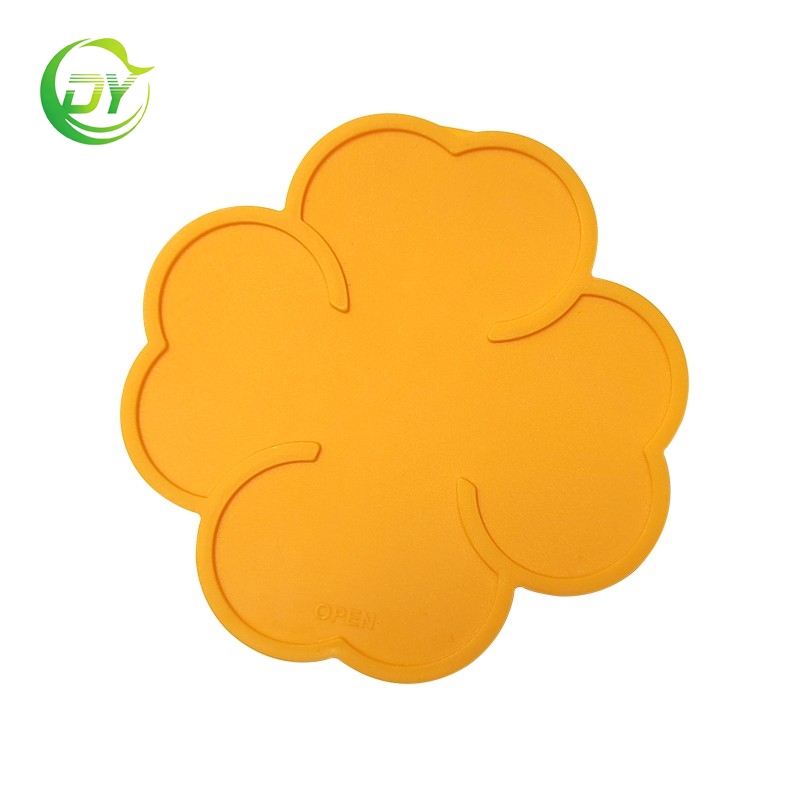
Plastic Wet Wipes Lid Wholesale buyers need more than a low unit price. They also need a lid that protects the wipes, supports brand identity, and works with the selected packaging film. The right wet wipes packaging can reduce drying, leakage, and customer complaints. A well-designed flip-top lid also improves one-hand opening and closing. Many buyers now compare material grade, sealing performance, decoration methods, minimum order quantity, and delivery time before placing an order. This is why private label wet wipes lids are important for baby care, personal care, household cleaning, and travel products.
Color and logo choices can make a product easier to identify on a crowded shelf. Packaging design also affects the way shoppers judge product quality. A supplier in Dongyang can help buyers review lid size, plastic resin, printing method, and packing details before mass production.
Private label wet wipes lids can be customized by color, logo, shape, surface finish, adhesive label, and outer packaging. Buyers can select PP or other suitable plastic materials, match the lid to the pouch opening, and use screen printing, hot stamping, offset printing, or molded branding. The best result comes from confirming the lid dimensions, testing the seal and hinge, approving a physical sample, and setting inspection standards before ordering Plastic Wet Wipes Lid Wholesale quantities.
Color is one of the fastest ways to build a private label product range. A supplier can usually match a customer color reference through a Pantone code or a physical sample. Common options include white, black, clear, blue, pink, green, and natural translucent plastic.
Color matching should be checked under controlled light. A practical approval process includes:
For mass production, buyers should request a color difference target. A Delta E value of 1.0 to 2.0 is often used for close visual matching, depending on the plastic surface and testing equipment. A color spectrophotometer gives more consistent results than visual inspection alone.
Logo decoration can be applied to the lid, pouch, carton, or shipping label. The best method depends on the logo size, number of colors, production volume, and surface shape.
| Decoration method | Best use | Typical control points | Cost and volume notes |
|---|---|---|---|
| Screen printing | Simple logos and one to three colors | Ink adhesion, edge clarity, color registration | Suitable for medium and large orders |
| Hot stamping | Metallic gold, silver, or premium marks | Foil coverage, pressure, temperature, and rubbing resistance | Useful for premium product lines |
| Offset printing | Detailed artwork and multiple colors | Color registration, surface flatness, and ink curing | Works well with larger production runs |
| Embossed or molded logo | Long-term branding without surface ink | Logo depth, mold accuracy, and release from the tool | Requires mold design and tooling cost |
| Adhesive label | Low MOQ wet wipes packaging and test launches | Peel strength, label position, and moisture resistance | Fast to change between product versions |
A lid can have a gloss, matte, frosted, or textured finish. A matte finish can reduce visible fingerprints. A gloss finish can make colors look brighter. Texture can improve grip when the user opens the lid with wet hands.
Common design details include:
Polypropylene, commonly called PP, is widely used for wet wipes lids because it is light, moldable, and resistant to many cleaning liquids. A typical PP lid may use a wall thickness of 1.2 to 2.0 millimeters, depending on the lid size and hinge design. The final thickness should be confirmed through mold flow review and sample testing.
For buyers searching for a recyclable PP wet wipes lid, the resin grade and decoration method should be reviewed together. Mixed materials, heavy coatings, and permanent labels can affect recycling options. The package should also be assessed as a complete system because the lid, pouch film, adhesive, and wipes may use different materials.
| Parameter | Common project range or target | Why it matters |
|---|---|---|
| Lid length and width | Often 60 to 120 millimeters, based on pouch design | Must match the opening and available panel area |
| Lid wall thickness | About 1.2 to 2.0 millimeters for many PP designs | Affects strength, weight, and molding cycle time |
| Hinge life | Target of 1,000 to 5,000 open and close cycles | Helps confirm daily-use durability |
| Opening force | Often controlled within 8 to 20 newtons | Supports easy use while reducing accidental opening |
| Adhesive peel force | Set by the pouch film and lid surface; commonly checked in newtons per 25 millimeters | Helps prevent leakage and premature drying |
| Drop resistance | Common trials use 1 to 1.2 meters on six faces or defined package orientations | Checks damage during transport and household use |
These values are starting points, not universal specifications. The correct target depends on the pouch dimensions, wipe liquid, adhesive, transport method, and product market.
Wholesale buyers can select bulk packing, inner boxes, polybags, or custom cartons. A common export arrangement places 50 to 200 lids in a carton or inner bag, but the exact quantity depends on lid size and carton weight limits.
Packaging details should include:
The lid should match the pouch artwork and opening position. A lid that is too large can cover key printed information. A lid that is too small may not protect the withdrawal opening. The color of the lid should also match the pouch background and brand design.
For baby wipes packaging, many brands prefer soft colors and a large opening tab. For cleansing wipes, darker colors and stronger surface texture may support a household or travel image. For disinfecting wipes, the package must be tested with the actual liquid because some formulas can affect ink, adhesive, or plastic surfaces.
Use the following process to reduce design errors and avoid late changes:
Brand brief
-> Lid size and pouch opening review
-> Material and color selection
-> Logo artwork check
-> 3D drawing and mold review
-> Color sample and physical prototype
-> Adhesion, hinge, seal, and drop testing
-> Pre-production sample approval
-> Mass production
-> Final inspection and shipment
The buyer should provide the product type, wipe count, pouch size, lid location, target market, estimated annual quantity, and preferred delivery date. A private label wet wipes lid manufacturer can use this information to recommend a suitable structure.
Technical drawings should show the outside dimensions, opening size, hinge location, sealing surface, logo position, and tolerance. Artwork should be supplied in an editable vector format. The supplier should confirm minimum line width, print area, color references, and logo direction.
A project should include at least one physical prototype before the production mold is approved. More complex designs may need two or three pilot rounds. Each round should record the change, test result, and approval date. This creates a clear R&D history and reduces repeated errors.
The approved sample should represent the final resin, color, decoration, hinge, adhesive area, and pouch combination. Buyers should not approve a plain sample and expect the printed production version to perform in the same way.
During production, inspectors should check dimensions, weight, color, logo position, hinge movement, surface defects, and carton quantity. A sampling plan based on ISO 2859-1 can be used to set inspection levels and acceptable quality limits. Critical defects, such as a broken hinge or open seal, should normally have a zero-acceptance requirement.
Inspectors can use digital calipers with 0.01 millimeter resolution to check key dimensions. A digital scale with 0.01 gram resolution can check unit weight. A color meter can record color difference, while a vision system can review logo position and print defects.
Typical inspection points include:
| Test | Suggested method | Acceptance focus |
|---|---|---|
| Hinge cycle test | Open and close the lid for 1,000 to 5,000 cycles | No fracture, serious whitening, or loss of closure |
| Opening force test | Measure force with a calibrated force gauge | Easy opening with secure closure |
| Peel test | Measure adhesive separation with a tensile tester | Stable seal without lifting or liquid leakage |
| Drop test | Drop packed units from a defined height and orientation | No broken lid, open pouch, or major carton damage |
| Leak test | Store filled pouches upside down and on their sides | No visible leakage during the defined test period |
| Ink rub test | Rub printed areas with dry and wet cloth under fixed pressure | No unacceptable logo transfer or fading |
Wet wipes packaging should be tested with the real wipe solution. A basic program can include storage at 23 degrees Celsius and 50 percent relative humidity, plus accelerated conditions such as 40 degrees Celsius for 14 to 28 days. The test should check odor, color change, pouch swelling, adhesive lift, lid deformation, and liquid loss.
For export orders, carton testing can follow the principles of ASTM D4169 or another agreed distribution test. The final method should reflect the transport route, stacking height, carton weight, and shipping mode.
Price is only one part of a wholesale decision. Buyers should review the supplier's design support, mold capability, testing equipment, production capacity, and quality records.
| Project stage | Typical planning range | Buyer decision |
|---|---|---|
| Artwork and design review | 2 to 5 working days | Confirm size, logo, and color requirements |
| Prototype preparation | 5 to 12 working days | Check fit, appearance, and basic function |
| Mold development | 15 to 35 working days | Approve mold structure and trial sample |
| Mass production | 15 to 30 working days after approval | Confirm order quantity and inspection plan |
| Custom logo printed wet wipes lids | Depends on print method and order size | Approve print proof and color standard |
These planning ranges can change with mold complexity, order quantity, holidays, raw material supply, and shipping requirements. Buyers seeking low MOQ wet wipes packaging should first consider adhesive labels or standard lid molds. Buyers with stable demand may gain better unit pricing from custom molds and direct logo decoration.
A lid may work well on one pouch film and fail on another. The adhesive must bond to the pouch surface. The lid must also sit flat on the pouch panel. Always test the finished package, not only the separate lid.
Alcohol, oil, fragrance, and disinfectant formulas can affect inks and adhesives. Run compatibility testing with the actual liquid and wipe material. A storage test of 14 to 28 days can reveal problems before shipment.
Private label products often require the same color and logo over several orders. Keep a color master, approved sample, artwork file, mold record, and inspection standard. This helps maintain consistency when production is repeated months later.
A lower price may reflect thinner plastic, weaker hinges, less inspection, or basic packaging. Compare the complete cost. Include tooling, sampling, printing, rework, shipping damage, and customer returns.
Private label wet wipes lids give brands control over color, logo, shape, surface finish, and packaging presentation. The strongest projects combine a suitable PP structure, accurate logo decoration, reliable adhesive performance, and clear inspection standards. Before placing a Plastic Wet Wipes Lid Wholesale order, confirm the drawing, color reference, logo method, pouch fit, test plan, MOQ, and delivery schedule. With physical samples, documented testing, and careful supplier review, buyers can create custom wet wipes lids that protect the product and support long-term brand recognition.