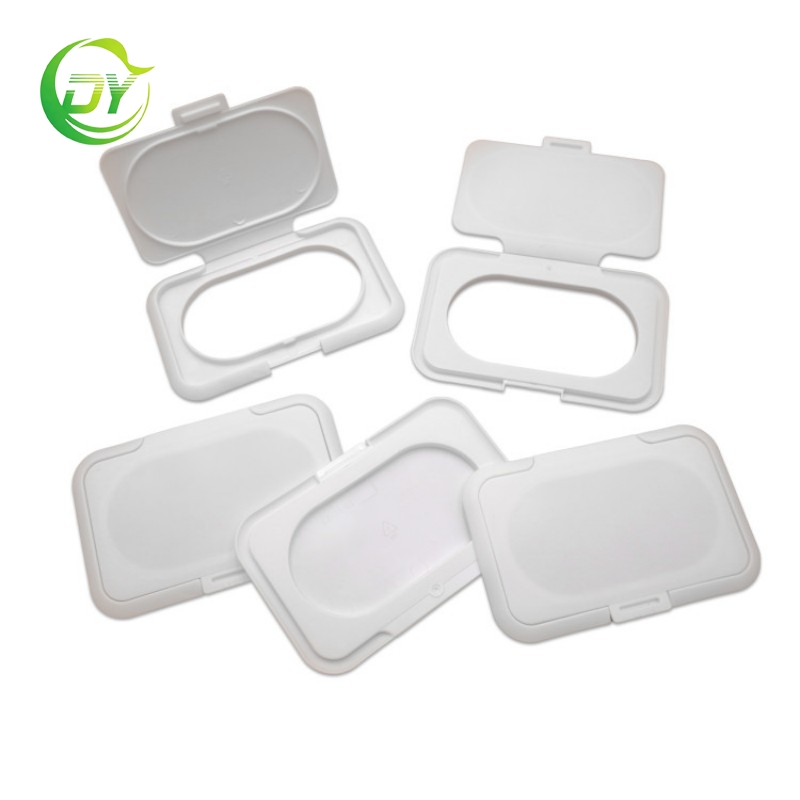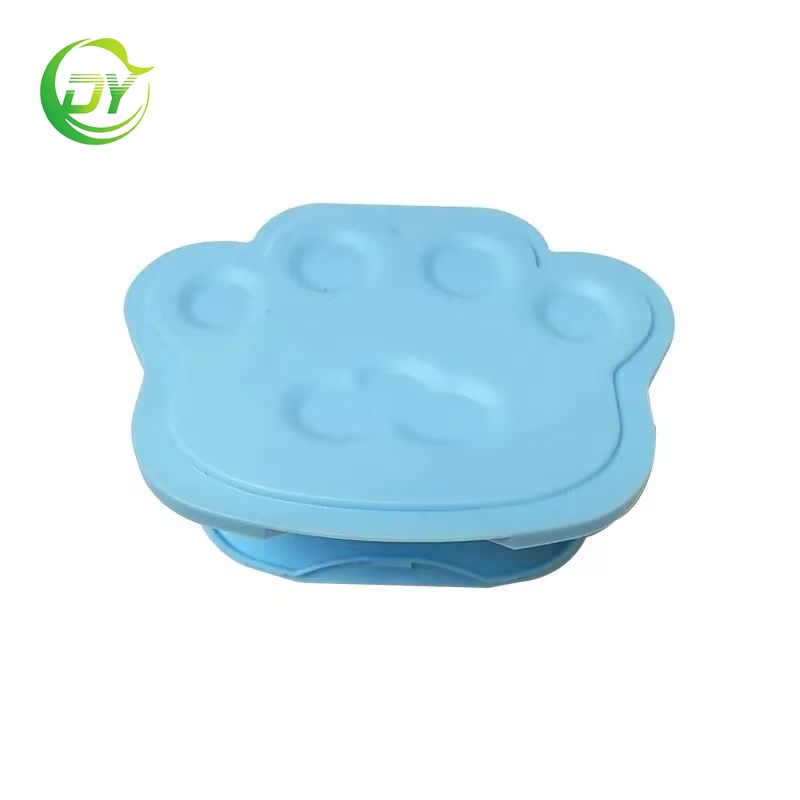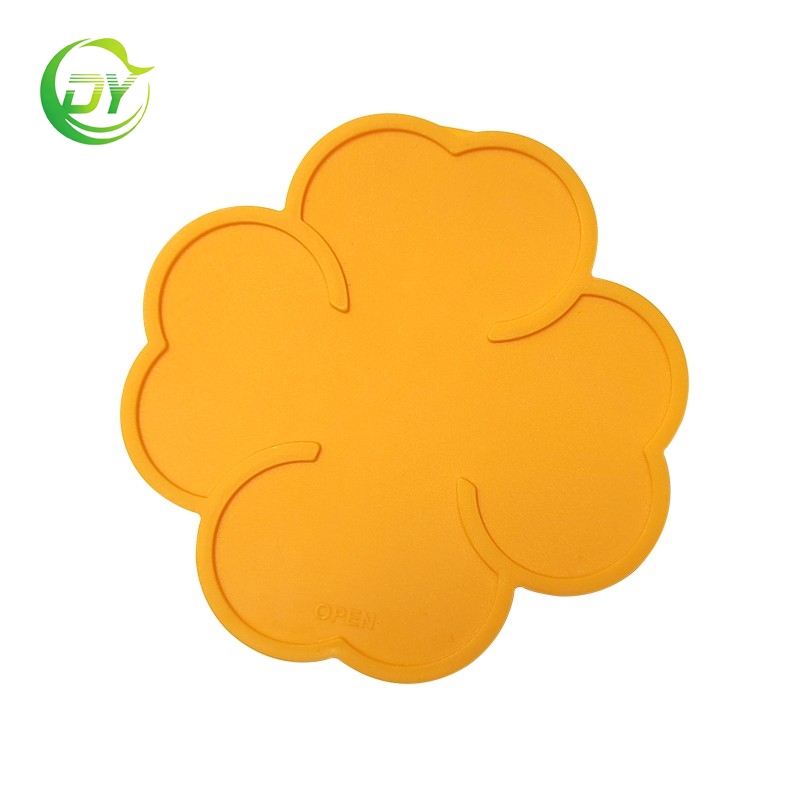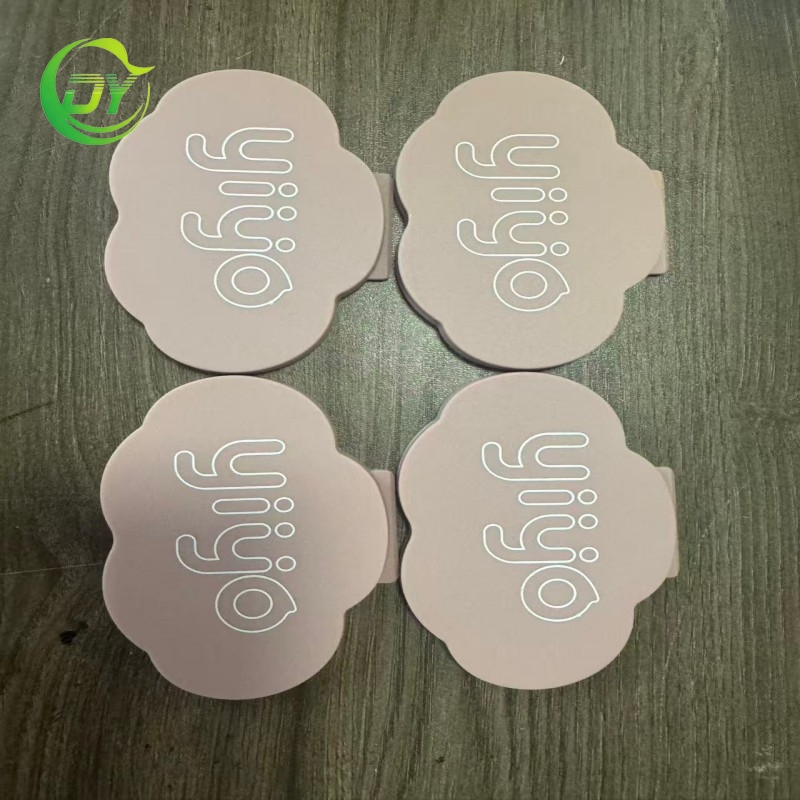
A flip top cap looks simple — a hinged lid that snaps open and closed — but its engineering determines everything about the packaging experience: whether the cap opens easily with one hand, whether the seal holds moisture in for weeks, whether the hinge survives the thousands of open-close cycles that a busy household or commercial environment demands. The difference between a cap that performs and one that fails is measured in tenths of a millimeter — the snap-fit undercut depth, the hinge thickness, the seal lip compression. This guide explains the engineering behind the flip top cap and how precision manufacturing turns those design parameters into reliable performance.
The snap-fit closure is a self-locking mechanical joint formed entirely by the molded geometry — no separate fastener, spring, or hinge pin. It works through interference: a catch on the lid deflects as it passes over an undercut on the base, then springs back into position behind the undercut, creating a mechanical lock that holds the lid closed. The engineering variables are the undercut depth (determines retention force) and the catch geometry (determines the opening effort and the snap feel). A well-designed snap-fit provides a positive, audible "snap" that tells the user the cap is closed — the tactile and auditory confirmation that the seal is engaged.
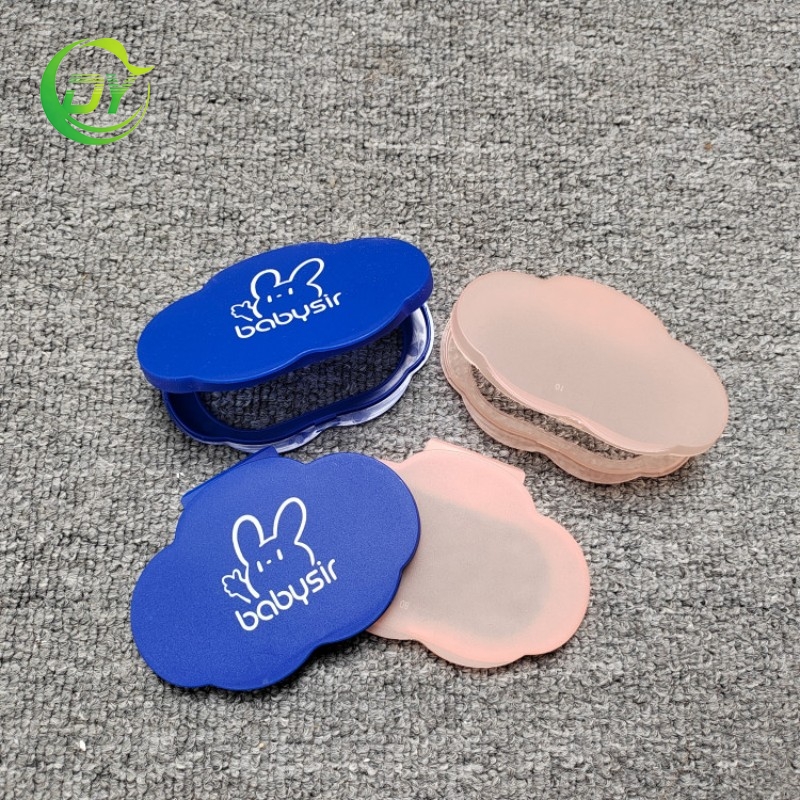
The snap-fit force is the critical balance point. Too weak, and the cap opens accidentally in a bag, breaking the seal and drying out the contents. Too strong, and the cap becomes difficult to operate one-handed — a usability failure for a product designed for convenience. The portable snap-on wet wipes cap from Dongyang exemplifies the calibrated balance: a snap-on closure that holds the seal firmly while remaining effortless to operate, engineered for the travel and on-the-go applications where reliability matters most.
| Hinge Parameter | Engineering Consideration | Failure Mode If Wrong |
|---|---|---|
| Hinge Thickness | Thin enough to flex easily, thick enough to resist tearing — typically 0.2-0.4mm for PP flip top caps | Too thin: hinge tears after limited cycles. Too thick: hinge is stiff, requires excessive force, and fatigues at the bend line |
| Radius at Hinge Base | A smooth radius where the hinge meets the cap body distributes stress and prevents stress concentration | Sharp corner: stress concentrates at the junction, causing premature cracking at the hinge root |
| Material Orientation | Proper mold gate placement ensures the plastic flows along the hinge, aligning molecular chains for fatigue resistance | Poor orientation: the hinge is weak across the flex direction and cracks early |
| Cycle Count Rating | The design and material must be validated for the expected open-close cycles over the product life | Under-engineered hinge: fails before the package contents are consumed, rendering the product unusable |
The living hinge is the component most likely to fail on a poorly manufactured flip top cap, and its failure is catastrophic — a broken hinge separates the lid from the package entirely, destroying the seal and the product's usability. Polypropylene's fatigue resistance makes it the standard hinge material, but material alone is insufficient; the hinge geometry and molding quality determine whether the theoretical fatigue resistance is realized in the product. Dongyang's 20-plus years of injection molding experience and 40-plus machines deliver the precise dimensional control that hinge engineering requires — the 0.2-0.4mm hinge thickness maintained consistently across high-volume production.
The seal lip is the feature that presses against the packaging film or tub opening when the cap is closed, creating the air barrier that prevents moisture loss. The seal's effectiveness depends on the lip compression — how much the lip deforms against the sealing surface when the cap is closed. Too little compression leaves gaps that allow air exchange; too much compression requires excessive closing force and can deform the packaging. The ideal seal lip compresses slightly under the snap-fit force, forming a continuous contact ring with no gaps, while the snap-fit holds that compression constant throughout the product's life.
The relationship between the seal and the snap-fit is inseparable — the snap-fit is what maintains the seal compression. This is why the classic oval flip wipes lid design pairs a precisely molded seal lip with a calibrated snap-fit: the two features work together so that every closure re-establishes the moisture barrier with consistent force. The result is the moisture retention that keeps wet wipes lids functional from the first wipe to the last.
The best-designed flip top cap fails if the manufacturing cannot hold the dimensional tolerances that the design requires. The critical dimensions — snap-fit undercut depth, hinge thickness, seal lip height — are measured in tenths of a millimeter, and variation beyond the tolerance band changes the closure behavior. A snap-fit undercut molded 0.1mm too deep produces a cap that requires excessive force to close; 0.1mm too shallow produces a cap that opens accidentally. Injection molding precision, achieved through well-maintained molds, consistent process parameters, and in-process quality inspection, is what converts the design intent into consistent product performance.
Dongyang's manufacturing infrastructure — 40-plus injection molding machines producing 50,000-100,000 pieces per day per product — is supported by quality control that verifies the critical dimensions and closure performance throughout production. The integrated industry-and-trade model, where the Dongyang trading operation coordinates with the Zhongtian factory, ensures that the engineering specification, the production process, and the delivered product all align — the consistency that OEM and ODM flip top cap customers require for their branded packaging programs.
Contact Dongyang with your seal requirements, cycle count target, and design concept for flip top cap engineering and OEM quotation.
zt06@zhongtianplastic.cn