
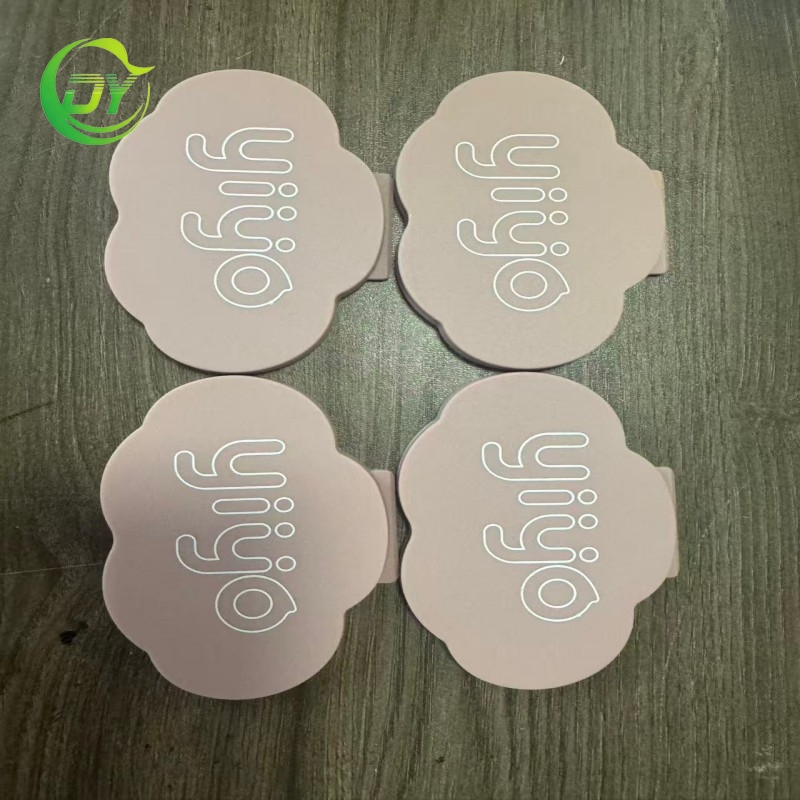
Plastic Wet Wipes Lid Wholesale buyers need a closure that matches the wipe material, package film, and product formula. A baby wipes lid must protect sensitive skin products, while a cosmetic wipes lid must preserve lotions, oils, and active ingredients. Cleaning wipes packaging may also contain alcohol, disinfectants, or strong solvents. These differences affect the resealable closure, adhesive performance, and moisture retention.
A lid that looks suitable may still fail during transport or daily use. The dispensing opening may tear the wipe, the adhesive may lift from the package, or the closure may not stop evaporation. Buyers of wholesale plastic wet wipes lids for baby wipes should therefore check material compatibility, seal strength, and repeated-use performance before placing a large order.
Dongyang manufacturers can support different package sizes, film types, and application methods. The right flip top wipes lid can help maintain product quality from filling to final consumer use.
Plastic wet wipes lids can work with baby, cosmetic, and cleaning wipes when the lid material, adhesive, opening size, and sealing method match the package and formula. Baby wipes usually require low-odor materials, strong moisture retention, and gentle edges. Cosmetic wipes need reliable protection against oil and alcohol exposure. Cleaning wipes may require chemical-resistant plastic and adhesive. A qualified supplier should test each lid on the finished package through opening, closing, leakage, aging, drop, and chemical compatibility tests before mass production.
The liquid inside the pack is one of the first compatibility factors. Baby wipes often contain water, mild cleansers, plant extracts, and skin conditioners. Cosmetic wipes may contain micellar water, oils, alcohol, fragrance, or exfoliating ingredients. Cleaning wipes may contain alcohol, quaternary ammonium compounds, peroxide, or other active chemicals.
| Wipe type | Common liquid features | Main lid requirements | Recommended inspection focus |
|---|---|---|---|
| Baby wipes | Water based lotion, mild cleanser, skin conditioner | Low odor, smooth edge, stable adhesive, high moisture retention | Odor, edge safety, seal strength, repeated opening |
| Cosmetic wipes | Oil, alcohol, fragrance, micellar solution, active ingredients | Resistance to oil and alcohol, stable hinge, clean appearance | Adhesive aging, stress cracking, chemical exposure |
| Cleaning wipes | Alcohol, disinfectant, detergent, solvent, or alkaline liquid | Chemical-resistant plastic, strong bonding, leak resistance | Liquid contact, closure force, drop testing, package deformation |
Most wet wipes packs use plastic film, laminated film, or nonwoven-compatible packaging. Common film structures include polyethylene, polypropylene, polyester, and aluminum-coated laminates. The lid adhesive must bond to the actual top film. A lid that bonds well to polyethylene may perform differently on a laminated film.
Pressure sensitive adhesive is often used because it supports repeated opening and closing. The adhesive should maintain a strong bond after exposure to moisture and product liquid. A practical specification may require a peel strength of at least 1.0 N per 25 mm after 24 hours of bonding. The final value should be confirmed by testing the selected film and adhesive combination.
Polypropylene is widely used for flip top wipes lids because it has good toughness, chemical resistance, and hinge performance. Polyethylene may offer flexibility, but it can require a different molding design. The plastic grade should be selected according to the formula, package thickness, temperature, and transport conditions.
Typical physical parameters for a household wipes lid may include:
These values are starting ranges, not universal requirements. The lid size must match the number, thickness, and folding pattern of the wipes.
Baby wipes are often used several times each day. Parents expect the package to open easily with one hand and close securely after every use. A baby wipes lid should have rounded edges and a controlled opening force. The opening should allow one wipe to pass without pulling out a long chain of wipes.
For baby products, buyers should request low-odor raw materials and documentation for restricted substances. Depending on the sales market, testing may include CPSIA requirements, REACH substance screening, heavy metal testing, and migration testing. A supplier should also confirm that inks, adhesive, and plastic components do not create an unwanted odor.
Cosmetic wipes may contain oil, fragrance, alcohol, or active skin-care ingredients. These ingredients can reduce adhesive strength or make some plastics brittle over time. A cosmetic wipes lid should be tested with the actual liquid formula for at least 7, 14, and 30 days.
The testing should include visual inspection, peel strength, hinge movement, and closure force. For products with alcohol, a chemical exposure test can use the finished pack at room temperature and at 40 degrees Celsius. The goal is to identify stress cracking, discoloration, swelling, or adhesive lift before shipment.
Cleaning wipes create higher demands because the liquid may contain disinfectants, solvents, or detergents. A cleaning wipes lid should resist direct liquid contact and remain stable during storage. The adhesive should not soften when the package surface becomes wet.
For disinfecting wipes, the supplier should test the lid with the final formula rather than clean water alone. A lid that passes a water test may fail after exposure to alcohol or quaternary ammonium compounds. Chemical resistance should be checked after storage, repeated opening, and package compression.
| Lid design | Best application | Advantages | Possible limitations |
|---|---|---|---|
| Standard flip top wipes lid | Baby wipes and household wipes | Simple use, good production speed, wide size range | Needs accurate hinge and adhesive control |
| Wide opening lid | Thick cleaning wipes and large cosmetic wipes | Easy dispensing and lower pulling force | May increase moisture loss if the seal is weak |
| Narrow opening lid | Thin baby wipes and facial wipes | Better control of single-wipe dispensing | Can tear thick or folded wipes |
| Adhesive wipes lid | Flexible packs with a flat top surface | Fast application and easy package conversion | Bond depends on film cleanliness and surface energy |
| Rigid snap closure lid | Premium cosmetic packs and reusable packs | Strong closure feel and repeated-use performance | Higher tooling and material cost |
A professional wipes packaging manufacturer should inspect plastic resin, adhesive, color masterbatch, and packaging film before production. The inspection record should include supplier batch number, material grade, color, odor, and certificate status.
Typical incoming checks include:
Injection molding machines should be checked for mold temperature, injection pressure, cycle time, and part weight. A stable process helps control hinge thickness, snap fit, opening size, and external appearance.
Useful production controls include:
| Inspection item | Example control target | Inspection method |
|---|---|---|
| Part weight | Nominal value plus or minus 3 percent | Digital scale |
| Opening size | Drawing tolerance, often plus or minus 0.3 mm | Caliper or vision system |
| Color difference | Delta E less than 2.0 for controlled colors | Colorimeter |
| Adhesive position | Position tolerance often within plus or minus 1.0 mm | Visual gauge or camera inspection |
| Hinge operation | No visible cracking after 1,000 cycles | Manual or automated cycle test |
The finished package should be tested as a complete unit. Testing only the empty lid does not show how the lid will perform with wet wipes and liquid.
Common tests include ASTM and ISO based methods where applicable, plus customer-specific procedures:
Wipe formula review
Then package film test
Then lid material selection
Then adhesive and opening design
Then sample production
Then laboratory and package testing
Then customer approval
Then mass production and final inspection
A qualified supplier should provide 2D drawings, 3D files, material information, and a sample approval process. The supplier should explain how it controls wall thickness, hinge size, gate position, and lid flatness.
Dongyang production teams with mold development experience can reduce design errors by testing the lid on the actual package film. A structured development program may include 3D design, mold trial, first article inspection, sample testing, and production validation. Buyers should ask how many mold trials are included and how design changes are recorded.
Important equipment may include injection molding machines, automatic assembly lines, adhesive coating machines, vision inspection systems, peel testers, colorimeters, digital scales, and environmental aging cabinets.
For large orders, automated inspection can improve consistency. A camera system can identify missing lids, poor adhesive placement, flash, and color defects. A documented sampling plan should define inspection frequency. For example, operators may inspect the first 5 pieces after a setup change, then inspect samples every 30 to 60 minutes during production.
Before buying wholesale plastic wet wipes lids, request sample inspection data instead of general quality claims. Useful records include part weight, dimensions, peel strength, hinge cycle results, color data, and chemical resistance results.
For export orders, buyers may also request a certificate of analysis, restricted substance statement, material safety data sheet for adhesive, packaging inspection report, and batch traceability record. These documents help connect the finished product to its raw material and production batch.
| Problem | Likely cause | Recommended solution |
|---|---|---|
| Lid lifts from the package | Low surface energy, dust, weak adhesive, or incorrect pressure | Clean the film, improve adhesive selection, and verify application pressure |
| Wipes dry too quickly | Weak seal, large opening, or poor package film barrier | Improve the resealing structure and test moisture retention |
| Wipe tears during dispensing | Sharp edge, small opening, or excessive pull force | Round the opening edge and adjust the opening size |
| Hinge cracks | Incorrect plastic grade, thin hinge, or low-temperature brittleness | Review resin, hinge thickness, molding conditions, and cold testing |
| Color changes after storage | Formula reaction, ultraviolet exposure, or unstable colorant | Run chemical aging and light exposure tests before approval |
| Strong plastic or adhesive odor | Raw material, curing, storage, or ventilation problem | Use approved materials and complete odor testing before shipment |
The price of a plastic wet wipes lid wholesale order depends on lid size, material, color, mold structure, adhesive type, automation level, order volume, and packaging method. A small lid with one color and a standard mold usually costs less than a large custom lid with a two-color design and special chemical resistance.
Buyers should compare total project cost, not only unit price. Tooling, sample development, testing, rejected parts, packaging, and delivery can affect the final cost per package.
Wet wipes lid compatibility depends on more than lid shape. The plastic material, adhesive, opening design, package film, wipe formula, and storage conditions must work together. Baby wipes need safe edges, low odor, and strong moisture retention. Cosmetic wipes need resistance to oil, alcohol, and active ingredients. Cleaning wipes need chemical resistance, reliable bonding, and leak protection.
By using sample trials, ASTM or ISO based testing where applicable, controlled production equipment, and measurable inspection targets, buyers can select the right plastic wet wipes lid wholesale supplier. A tested and properly matched wet wipes lid protects product quality and improves the user experience across baby, cosmetic, and cleaning wipes applications.