
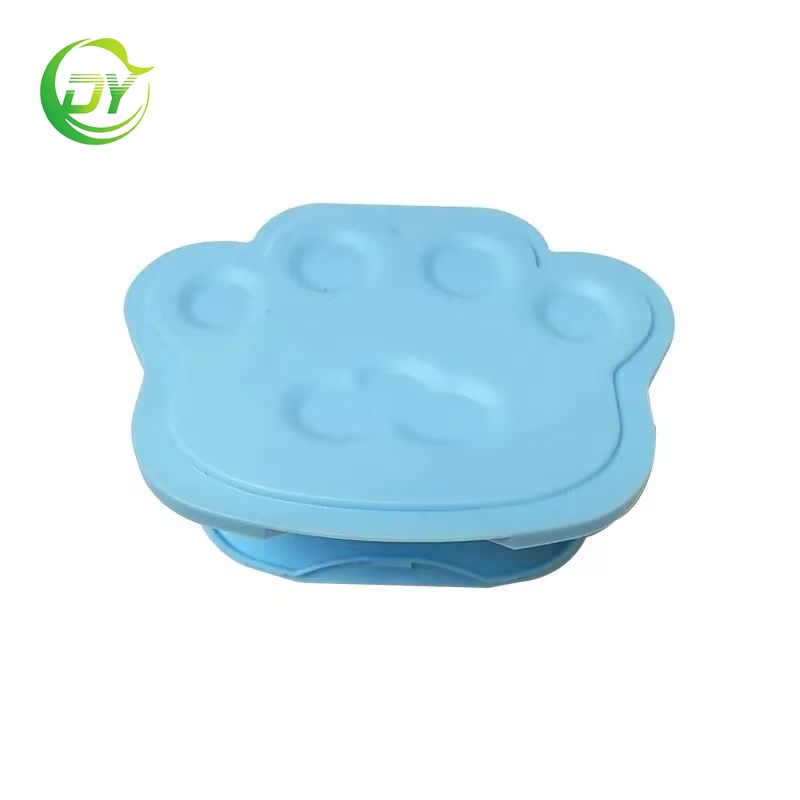
Plastic Wet Wipes Lid Wholesale buyers need a lid that matches the folded format, pack size, and opening method of the wipes inside. A lid that works well for interfolded wipes may not protect a stack of pop-up wipes. The wrong design can cause moisture loss, poor dispensing, and package leakage. It can also increase production waste and customer complaints.
Modern wet wipe packaging must balance sealing force, opening comfort, and high-speed production. The lid also needs to support a stable moisture barrier during storage and transport. In this article, we explain how fold format affects lid design, material selection, testing, and wholesale purchasing.
The best wet wipes lid design depends on the folded wipe format, opening size, pack structure, and sealing method. Interfolded wipes usually need a centered opening with controlled dispensing. Pop-up wipes need a larger and smoother opening to prevent tearing. Stack-folded wipes need a wide opening and enough internal clearance for easy removal. For plastic wet wipes lid wholesale, buyers should confirm the lid material, hinge strength, adhesive or heat-seal compatibility, opening force, leak resistance, and quality inspection plan before placing a bulk order.
Interfolded wipes are folded so that one wipe pulls the next wipe partly through the opening. This format is common in baby wipes, facial wipes, and household cleaning wipes.
The lid should have:
If the opening is too small, users may need extra force. If it is too large, several wipes may come out at one time. A flexible silicone or TPE membrane can improve control when the wipes are thin and wet.
Pop-up wipes are folded to rise through the opening one after another. This format requires a smooth path from the folded stack to the top of the lid.
A suitable design normally includes:
Pop-up packs often perform better with a rigid polypropylene lid and a soft sealing gasket. This structure gives the pack a firm shape while helping reduce evaporation.
Stack-folded wipes are placed one on top of another. They do not normally feed the next wipe through the opening. Users remove one wipe at a time by reaching into the pack.
This format needs:
For large household or industrial wipes, the opening may need to be 45 to 75 millimeters wide. The final size should be confirmed through physical dispensing tests.
| Wipe folded format | Typical opening need | Recommended lid feature | Main risk |
|---|---|---|---|
| Interfolded | 25 to 45 millimeters | Controlled dispensing opening and soft inner edge | Multiple wipes pulled out |
| Pop-up | 35 to 60 millimeters | Smooth path and rounded opening | Wipe tearing or poor pop-up action |
| Stack-folded | 45 to 75 millimeters | Wide access opening and strong hinge | Drying caused by poor cover sealing |
| Large industrial wipes | 55 to 90 millimeters | High-strength lid and reinforced hinge | Cover breakage during repeated use |
Polypropylene, or PP, is widely used for plastic wet wipes lids. It has a density of about 0.90 grams per cubic centimeter. This low density helps reduce shipping weight. PP also offers good chemical resistance and can support living hinge designs.
A common PP lid thickness ranges from 1.2 to 2.5 millimeters. Thicker sections may be used around the hinge, snap area, or sealing lip. The material should be selected according to the lid size, opening force, and expected number of opening cycles.
High-density polyethylene, or HDPE, has good impact resistance and moisture resistance. It can be used for flexible covers, sealing parts, and some snap-fit components. HDPE is useful when the pack may be exposed to low temperatures during transport.
Thermoplastic elastomer, or TPE, can create a soft dispensing membrane. It helps control the exit of thin wipes and can improve the closing effect around the opening. TPE hardness is often selected between 40 Shore A and 80 Shore A, depending on the required flexibility.
Silicone provides strong flexibility and good temperature resistance. However, its cost and molding process may be higher than those of TPE. Buyers should compare the material cost with the required pack performance.
| Material | Typical use | Main benefit | Design note |
|---|---|---|---|
| PP | Rigid lid, hinge, snap cover | Low density and good molding performance | Suitable for many high-volume products |
| HDPE | Flexible cover and sealing parts | Impact and moisture resistance | Useful for cold-chain or rough transport conditions |
| TPE | Soft membrane and gasket | Elastic sealing and controlled dispensing | Hardness must match wipe thickness |
| Silicone | Premium membrane and gasket | High flexibility and temperature resistance | May increase unit cost and tooling complexity |
The opening should be tested with the actual wipe substrate, liquid formula, and folded stack. Dry wipes and wet wipes do not behave in the same way. A wipe can expand after absorbing liquid. Nonwoven fabric thickness may increase by 10 to 30 percent after saturation, depending on the material and lotion formula.
Designers should check:
The hinge must stay attached and remain functional after repeated use. A living hinge can be designed with a thin section of about 0.25 to 0.45 millimeters, but the final size depends on the PP grade and mold design.
A practical test plan can include 500 to 1,000 open and close cycles. The lid should not show cracks, detachment, or a major loss of closing force after testing. For premium products, buyers may request 2,000 cycle testing.
A lid can use a pressure-sensitive adhesive base, a heat-sealed film, a snap-fit cover, or a gasket. Some packs use two sealing layers. The inner film protects the product during filling and shipping. The rigid lid gives users a resealable opening.
For good moisture retention, the seal should be continuous around the complete opening. A seal width of about 2 to 5 millimeters is common for small and medium wipe packs. The exact width depends on the film type, adhesive strength, and production equipment.
| Application | Preferred structure | Suggested inspection point |
|---|---|---|
| Baby wipes | PP cover with TPE or soft gasket | Opening comfort, moisture retention, edge safety |
| Cosmetic wipes | Small PP lid with smooth snap cover | Appearance, color, odor, and seal alignment |
| Disinfecting wipes | Chemical-resistant PP or HDPE lid | Formula compatibility and hinge strength |
| Household cleaning wipes | Large PP lid with reinforced hinge | Opening force and repeated-use durability |
| Industrial wipes | Thick rigid lid with wide access opening | Impact resistance and transport protection |
A development team should test more than one lid sample. A useful starting plan is three design versions, 30 dispensing packs per version, and at least 90 total functional tests. This gives the team enough data to compare wipe pull force, cover closing force, and multiple-wipe dispensing.
For each design version, record:
Critical dimensions should be measured with calibrated digital calipers, height gauges, pin gauges, or a coordinate measuring machine. Important points include lid length, lid width, opening size, hinge thickness, snap-fit position, and gasket height.
A typical incoming inspection plan may use an acceptance quality limit between 1.0 and 2.5, depending on the customer's quality agreement. ISO 2859-1 sampling methods can be used to define the sample size and acceptance criteria.
Inspectors should check the lid under a light source of about 600 to 1,000 lux. The inspection should look for:
For color control, a color meter can record Delta E values against an approved master sample. The buyer should set the acceptable limit before production.
Functional testing should use finished wipe packs. Testing only an empty lid may hide problems caused by wet wipe thickness and liquid pressure.
Recommended tests include:
ASTM D4169 can provide a framework for distribution cycle testing. ASTM D5276 may be used for free-fall drop testing. The test level should match the shipping carton, pack weight, and distribution route.
A basic evaluation can include 10 drop events from selected heights, followed by a visual inspection and leakage check. The final protocol should be agreed upon by the buyer, lid supplier, and wet wipes manufacturer.
Plastic wet wipes lids are commonly made by injection molding. The required machine size depends on part weight, projected area, mold cavity number, and injection pressure. Multi-cavity molds can increase output, but they also require stronger process control.
Important equipment includes:
The mold should support even filling around the hinge and snap-fit area. Uneven cooling can cause warping. Gate position, venting, ejection force, and cooling channel layout all affect lid quality.
For a lid with a thin living hinge, mold temperature and injection speed require close control. A process window may include several injection speed settings and at least three holding pressure settings. The final parameters should be recorded in a process sheet.
A stable production process should record molding temperature, cooling time, injection pressure, cycle time, and part weight. A weight variation limit of plus or minus 3 percent can be used as an initial internal control target. The customer may set a tighter limit for premium products.
Before requesting a wholesale quotation, provide the lid supplier with a complete specification. This reduces repeated sampling and prevents a mismatch between the lid and the wipe pack.
The specification should include:
The lowest unit price may not create the lowest total cost. A lid with poor fit can cause filling line stops, product leakage, extra inspection, and customer returns.
| Cost item | What to review | Possible effect |
|---|---|---|
| Tooling | Cavity number, steel type, mold life, maintenance | Initial investment and long-term output |
| Lid unit cost | Material, weight, color, surface finish | Product margin |
| Assembly | Manual or automatic application | Labor and line speed |
| Quality control | Inspection level and testing frequency | Defect prevention |
| Shipping | Carton size, part nesting, order quantity | Freight cost and storage space |
A wholesale project should use a signed or digitally recorded golden sample. The sample should show the approved color, surface finish, lid dimensions, hinge action, snap force, and assembly position.
A practical approval process uses:
Reducing lid weight can lower plastic use and shipping weight. However, excessive weight reduction may weaken the hinge or cause deformation. A safe approach is to reduce noncritical wall sections while keeping the sealing lip, hinge, and snap-fit areas strong.
For example, a design team may compare a 1.4 millimeter lid wall with a 1.8 millimeter lid wall. Each version should pass opening, drop, sealing, and cycle tests before the lighter design is approved.
Using one main plastic family can make sorting easier. A PP lid with a PP-compatible pack structure may simplify recycling compared with a design that combines several bonded materials. The final recycling result depends on the full package, local waste systems, inks, adhesives, and labels.
All edges that users can touch should be smooth. The lid should not release sharp fragments during normal opening or after drop testing. If the product is intended for babies or young children, the package should also be evaluated for small parts, pull force, and accidental opening risks.
Wet Wipes Lid Design for Different Wet Wipe Folded Formats starts with the wipe structure, not the lid alone. Interfolded wipes need controlled dispensing. Pop-up wipes need a smooth and wider path. Stack-folded wipes need a larger access opening. The material, hinge, gasket, seal, mold, and inspection plan must work together.
For plastic wet wipes lid wholesale, buyers should provide complete wipe data, test finished packs, confirm measurable quality standards, and approve a controlled sample before mass production. A data-based design process helps reduce leakage, improve user experience, and support stable long-term supply from Dongyang and other qualified manufacturing partners.