
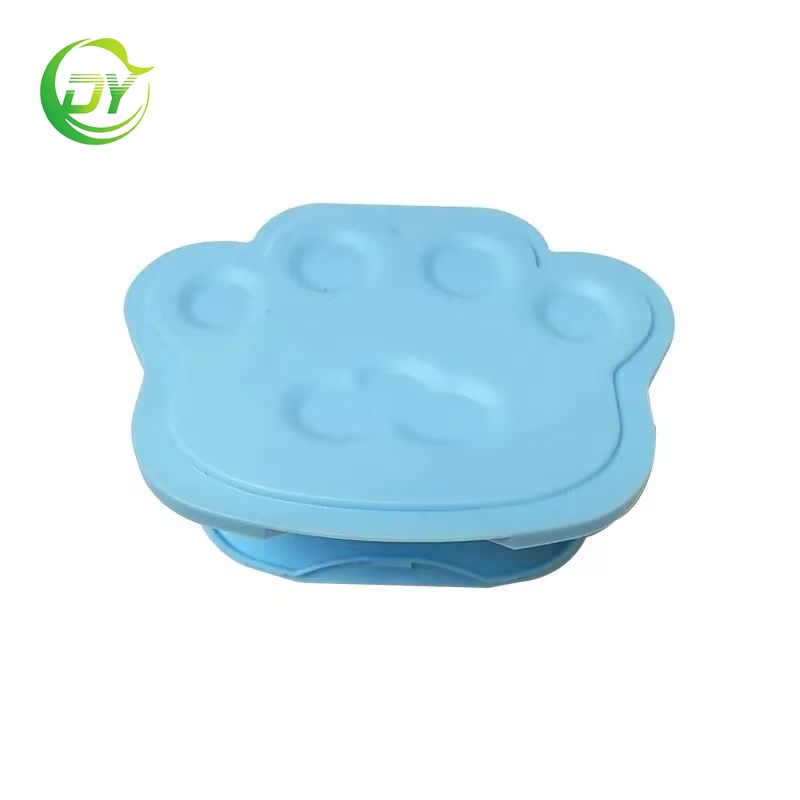
Plastic Wet Wipes Lid Wholesale buyers need lids that stay closed and intact during long-distance shipping. A weak lid can crack, pop open, or separate from the pouch after vibration, stacking, and drops. This creates moisture loss, product waste, and customer complaints.
Long-distance transport exposes wet wipes packaging to drop impact testing, vibration testing, and compression loads. These forces can affect the snap fit, hinge, and adhesive bond.
Moisture retention depends on the lid seal, pouch film, and closure design working together. A lid with a 0.8 mm to 1.2 mm wall section may provide a useful balance between strength and material cost, but the final design must be tested with the actual pouch.
For buyers in Dongyang and other manufacturing centers, the main question is simple: how can a wholesale plastic wet wipes lid survive transport without raising production cost?
A plastic wet wipes lid for long-distance shipping should use impact-resistant polypropylene or a similar packaging-grade polymer, a reinforced hinge, a secure snap closure, and a stable adhesive base. The finished pouch should pass a planned drop, vibration, compression, and seal inspection program. A practical target is no lid fracture, no accidental opening, and no visible leakage after transport simulation. The correct lid is not selected by material alone. It is selected by testing the complete wet wipes pack under its expected shipping conditions.
Polypropylene is widely used for wet wipes lids because it has low density, good chemical resistance, and useful fatigue performance. Polyethylene can also be used for selected designs. The material should be suitable for contact with the packaging environment and compatible with the wet wipe formula.
A lid design should consider the following physical parameters:
| Design item | Common development range | Reason for review |
|---|---|---|
| Lid wall thickness | 0.8 mm to 1.2 mm | Controls stiffness, weight, and resistance to cracking |
| Hinge thickness | 0.5 mm to 0.9 mm, depending on design | Supports repeated opening without early fracture |
| Snap hook engagement | Usually reviewed by mold design and closure force testing | Reduces accidental opening during vibration |
| Base flange width | Typically 2 mm to 5 mm | Provides more area for adhesive bonding |
| Surface flatness | Checked against the pouch and adhesive specification | Helps prevent air channels and weak bond areas |
These values are starting points, not universal specifications. The ideal dimensions depend on lid size, pouch film, fill weight, and shipping method.
Sharp internal corners can concentrate stress. A rounded transition helps spread force across the lid. Reinforcing ribs can also increase stiffness without adding a large amount of plastic.
Common reinforcement areas include the hinge ends, snap hook base, lid corners, and the opening around the dispensing hole. The mold should avoid sudden thickness changes because they can cause sink marks, warpage, and weak points.
A wet wipes lid must remain closed when cartons are shaken or compressed. The snap closure should produce a clear closing action. The hinge should align with the lid body and should not twist after repeated opening.
A supplier can use a closure force test, repeated opening test, and visual inspection. A development plan may include 500 opening and closing cycles for a reusable hinge design. The pass condition should be agreed before mass production. Typical checks include no hinge breakage, no loose snap hook, and no lid opening without an intentional hand force.
Cartons can fall during loading, unloading, or warehouse handling. The lid may receive a direct impact from the carton corner or a nearby product.
ASTM D5276 is commonly used as a reference for free-fall drop testing of filled shipping containers. ISTA test procedures may also be selected when the product needs a broader transport simulation. The exact drop height and sequence should match the package weight and distribution channel.
Truck, rail, and sea transport can create repeated vibration. This movement may loosen the snap closure or weaken the adhesive bond between the plastic lid and pouch.
During vibration testing, inspectors should check the lid before and after the test. They should record lid opening, hinge damage, pouch tearing, adhesive lift, and moisture leakage. A package can look acceptable after one drop but fail after several hours of vibration.
Cartons are often stacked in warehouses and shipping containers. The weight above the lower cartons can press against the lid and pouch.
Compression testing should consider carton height, pallet pattern, product weight, and storage time. A lid with adequate top stiffness can protect the pouch opening. However, excessive stiffness in one area can transfer stress to the adhesive or film. The complete package must be tested as one system.
Plastic and adhesive can change slightly with temperature. High humidity may affect carton strength. Low temperature can make some plastic grades less flexible.
For international shipping, buyers may request conditioning at different temperatures before testing. A practical program can include 24 hours of conditioning at a controlled temperature, followed by drop and seal checks. The correct conditions should reflect the destination market and transport route.
Testing standards help buyers compare suppliers. The standard alone does not guarantee performance. The test sample, load, conditioning time, and pass criteria must also be recorded.
| Test | Reference or method | What to inspect | Suggested record |
|---|---|---|---|
| Free-fall drop | ASTM D5276 or a suitable ISTA procedure | Cracks, lid opening, pouch leakage, and hinge damage | Drop height, number of drops, package weight, and final result |
| Vibration | ISTA or internal transport simulation method | Snap loosening, adhesive lift, abrasion, and moisture loss | Duration, vibration profile, carton arrangement, and defects |
| Compression | ASTM D642 or a suitable carton compression method | Carton collapse, lid deformation, and pouch damage | Load, holding time, stacking layout, and recovery |
| Seal and leakage | Internal pressure, dye, vacuum, or visual inspection method | Air channels, liquid leakage, and weak adhesive areas | Sample count, pressure or time, and failure location |
| Closure cycling | Controlled internal method | Hinge fatigue, snap wear, and lid alignment | Cycle count, opening force, and final condition |
| Material inspection | Supplier specification and incoming quality control | Color, contamination, moisture, and resin consistency | Batch number, certificate, and inspection result |
A wholesale buyer should request measurable inspection data. Useful metrics include lid weight, wall thickness, hinge dimensions, snap closure force, adhesive coverage, pouch alignment, and leakage rate.
A production inspection plan may check 5 pieces from the first production run, 20 pieces per defined batch, or another quantity based on risk. For critical defects such as a broken hinge, open lid, or leaking pouch, the agreed acceptance level should be zero in the inspected sample unless the customer specification states otherwise.
Quality systems based on ISO 9001 can support document control, corrective action, and traceability. The buyer should still review the actual inspection records for the specific lid model.
The following process helps a buyer select a plastic wet wipes lid for export shipping.
Record pouch dimensions, filled weight, carton quantity, pallet height, transport mode, expected route, and storage conditions.
Compare polypropylene, polyethylene, and other approved options. Review wall thickness, hinge design, snap fit, flange size, and surface finish.
Measure critical dimensions with calipers or a coordinate measuring machine. Inspect warpage, flash, sink marks, and surface defects.
Use the actual pouch film, adhesive, wipe formula, fill weight, and production conditions. Testing an empty lid does not show the performance of the finished package.
Check closure action, hinge movement, pouch alignment, opening size, adhesive coverage, and moisture retention. Record the results by batch.
Use drop, vibration, compression, and conditioning tests that match the shipping plan. Inspect the inner pouches and outer cartons after each stage.
Increase the hinge radius, adjust the snap hook, change the flange width, improve adhesive coverage, or modify the carton arrangement. Run a confirmation test after each major change.
Release the drawing, material specification, inspection plan, packaging method, and approved sample. Keep a retained sample from each production batch when required.
| Design option | Impact resistance | Production benefit | Possible risk | Best use |
|---|---|---|---|---|
| Standard flat snap lid | Suitable for normal distribution when tested | Simple mold and competitive cost | May deform under high top load | Retail wet wipes and light cartons |
| Rib-reinforced lid | Higher top stiffness | Better support with controlled material use | More complex mold design | Long-distance shipping and stacked cartons |
| Heavy-wall lid | High resistance to bending and impact | Simple structural concept | Higher resin use and weight | Large pouches or demanding transport routes |
| Flexible living-hinge lid | Good when hinge design and material are controlled | Can support repeated opening | Fatigue risk if the hinge is too thin or misaligned | Products opened many times by consumers |
| Wide-flange adhesive lid | Depends on adhesive bond and pouch surface | Can improve bond area and seal support | Adhesive lift if the pouch is contaminated or uneven | Moisture retention and larger opening formats |
Request material grade, lid weight, dimensions, wall thickness, hinge design, snap structure, color tolerance, and packaging quantity. A clear specification reduces disputes during production.
Ask whether the supplier uses injection molding equipment with stable temperature and pressure control. Review mold maintenance records, cavity count, cycle time, and flash control.
Useful equipment includes digital calipers, thickness gauges, scales, force gauges, leak test tools, and controlled drop test equipment. A supplier using only visual inspection may miss small dimensional changes.
Ask for prototype timing, sample quantities, test cycle counts, dimensional reports, and corrective action records. For a new Dongyang project, a practical development schedule may include 3 design reviews, 2 prototype rounds, at least 30 complete pouch samples, and one documented transport simulation before approval.
Each batch should connect to a material lot, production date, machine or mold record, inspection result, and packing record. This information supports faster investigation if a shipment has a defect.
A thin hinge, sharp transition, or poor alignment can cause cracking. The issue may appear only after repeated opening or vibration.
If the hook does not engage fully, small movements can open the lid. This problem is often linked to mold wear, warpage, or incorrect dimensions.
Dust, moisture, pouch wrinkles, and uneven pressure can reduce the bond. The plastic lid may remain intact while the pouch separates from the base.
High stacking force can deform the lid or press the pouch opening against the carton. Carton design and pallet layout should be tested with the lid.
Testing the lid alone does not measure adhesive strength, pouch movement, moisture retention, or carton interaction. Transport simulation should use filled, sealed, and packed products.
The lowest unit price is not always the lowest total cost. A lid that saves 0.01 US dollars per piece but causes 2 percent product loss can create a larger expense than a stronger design. Buyers should compare material cost, mold cost, inspection cost, shipping weight, damage rate, and customer returns.
| Cost factor | What to compare | Why it matters |
|---|---|---|
| Unit lid cost | Price at the required order quantity | Controls direct packaging cost |
| Material weight | Grams per lid | Affects resin use and freight weight |
| Mold investment | Tool life, cavity count, and maintenance | Affects long-term piece cost |
| Failure rate | Damaged, open, or leaking packages | Influences waste and customer claims |
| Testing cost | Prototype, transport simulation, and inspection | Reduces the risk of large shipment failure |
Wet wipes lid impact resistance depends on the material, wall thickness, hinge, snap closure, adhesive base, pouch film, carton, and transport conditions. A reliable plastic wet wipes lid wholesale program uses measurable specifications and complete-package testing. Drop impact testing, vibration testing, compression testing, leakage inspection, and closure cycling provide useful evidence before shipment.
Buyers in Dongyang and international markets should request documented samples, inspection records, material information, and transport test results. The best supplier is not simply the one with the lowest price. It is the supplier that can deliver stable dimensions, secure closures, traceable batches, and consistent performance during long-distance shipping.