
Choosing a wet wipes lid for the wrong machine can cause leaks, poor sealing, line stoppages, and high waste. A flip-top lid, flow pack, and premade pouch packaging format each need a different lid design and application method. The correct wet wipes lid specifications depend on the pack opening, film structure, machine speed, adhesive system, and product weight. This guide explains the key dimensions, materials, tolerances, and testing steps for overseas buyers and distributors.
Many buyers search for wet wipes lid size, plastic wipes cover compatibility, packaging machine format, and resealable wipes packaging because a standard lid does not fit every production line. A lid that works on a hand-applied pouch may fail on an automatic labeling machine. Before placing a wholesale order, compare the lid opening, base shape, adhesive area, and application temperature with the complete packaging system.
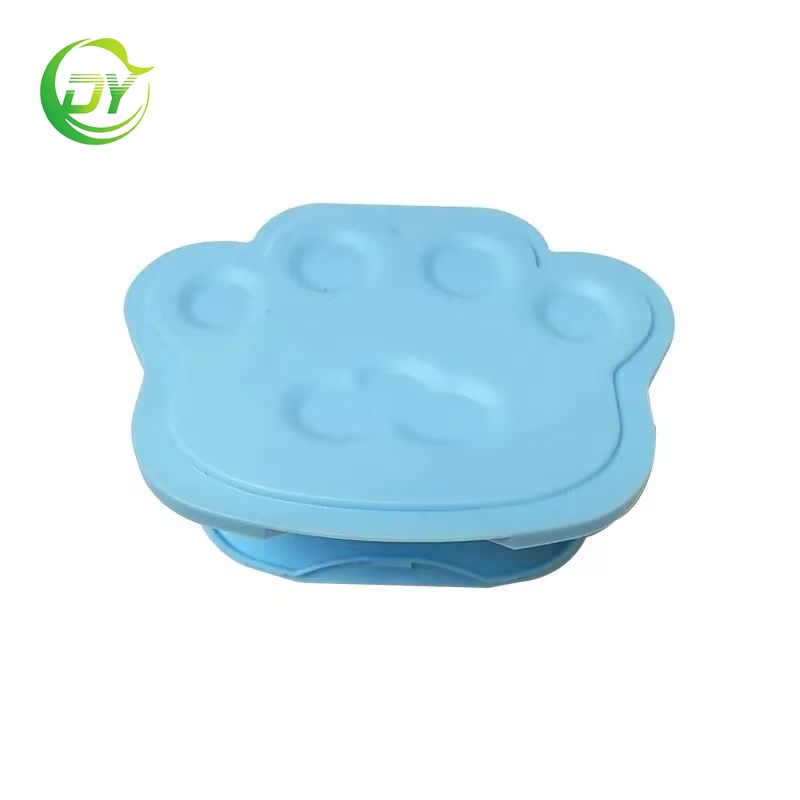
1. Quick Answer: Match the Lid to the Packaging Machine Format
The most important rule is simple: match the lid base and application method to the machine format, not only to the wipe count. Flow pack machines usually use a flat film pack and need a lid with a stable base and fast adhesive application. Premade pouch lines need a flexible package surface and controlled pressure. Tub and canister machines use a rigid container, so the lid must match the neck or top opening.
| Packaging format | Typical lid application | Important lid specifications | Main risk if mismatched |
|---|---|---|---|
| Flow pack or pillow pack | Automatic or semi-automatic pressure application | Flat base, stable hinge, strong adhesive area, low profile | Wrinkles, weak bonding, film tearing |
| Premade stand-up pouch | Automatic label and lid placement | Flexible-film compatibility, wide bonding area, controlled pressing force | Air leakage, lid lifting, poor pouch appearance |
| Flat pouch | Inline application after filling and sealing | Lightweight lid, accurate position, short opening path | Misalignment and blocked opening |
| Rigid tub or canister | Snap fit, screw fit, or mechanical placement | Neck diameter, inner and outer fit, rim pressure, hinge clearance | Cracking, loose fit, or difficult opening |
| Hand-applied retail pouch | Manual placement with pressure roller | Easy-peel adhesive, large grip area, forgiving tolerance | Slow packing and inconsistent sealing |
2. Core Wet Wipes Lid Specifications Buyers Should Confirm
2.1 Lid Size and Opening Dimensions
Lid size is not only the outside length and width. Buyers should confirm the cover length, cover width, base length, base width, opening length, opening width, hinge position, and total height. The opening must allow the first wipe to pass without pulling several wipes from the pack. For common travel and household packs, a lid opening may range from about 45 x 25 millimeters to 90 x 55 millimeters, but the final size must follow the wipe fold and pack structure.
A larger lid gives better access for thick wipes, but it can reduce pouch strength and increase material cost. A smaller lid saves space, but it may cause wipe deformation or slow consumer use. Dongyang can review the filled sample, wipe fold, and packaging drawing before recommending a production size.
2.2 Base Shape and Bonding Area
The lid base must follow the surface of the package. A flat base is suitable for a flat flow pack. A slightly curved base can fit a rounded tub or a package with a full wipe stack. The bonding area should be wide enough to resist lifting during transport. A practical design often uses a continuous adhesive border around the opening rather than four small adhesive points.
For flexible packaging, avoid sharp corners at the lid base. Rounded corners reduce film stress and help the adhesive stay bonded when the pouch bends. A corner radius of 3 to 8 millimeters is often used for small and medium lids, but the actual radius should be confirmed by a sample test.
2.3 Material and Plastic Grade
Most plastic wet wipes lids are made from polypropylene, commonly called PP, because it has good hinge performance, chemical resistance, and low density. PP is suitable for flip-top covers and snap-fit components. Some projects use polyethylene or a mixed plastic structure when extra flexibility is needed. The selected plastic must resist moisture, lotion ingredients, fragrance, and normal transport impact.
Ask the manufacturer to state the plastic grade, color method, surface finish, and recycling marking. If a buyer requires a specific sustainability claim, confirm whether the lid uses virgin resin, recycled content, or a recyclable mono-material structure. Do not assume that a recyclable package automatically means that every lid component is accepted by the local recycling system.
2.4 Hinge, Snap, and Opening Force
A living hinge should open repeatedly without cracking. The lid should close with a clear snap but should not require excessive force from the consumer. For quality control, measure opening force, closing force, hinge durability, and lid retention. A common development target is at least 500 open and close cycles, although the required number depends on the product position and customer expectation.
Opening force is affected by the snap hook, hinge thickness, lid height, and moisture inside the package. A lid for baby wipes may need a secure closure to reduce drying. A lid for travel wipes may need a lighter opening force for quick use. The best design balances resealing performance with easy access.
2.5 Adhesive and Seal Compatibility
A wet wipes lid may use pressure-sensitive adhesive, hot melt adhesive, heat bonding, or a mechanical snap fit. Pressure-sensitive adhesive is common for flexible pouches because it can be applied after the film pack is formed. The adhesive must bond to the outer film layer, which may be polyethylene, polypropylene, polyester, paper, or a laminated structure.
The adhesive surface must remain clean and dry during application. Lotion, condensation, dust, or film treatment problems can reduce peel strength. Buyers should request peel testing after 24 hours, after opening and closing, and after storage in both normal and high temperature conditions.
3. Specifications by Machine and Packaging Format
3.1 Flow Pack and Pillow Pack Machines
A flow pack machine forms a continuous film around the wipes, creates the pack seal, and sends the pack to the lid application station. The lid should have a flat or gently shaped base, a low center of gravity, and a clear front opening direction. The base must not interfere with the longitudinal seal or end seal.
For an automatic line, buyers should provide the machine speed, pack pitch, film width, pack length, and lid placement position. At a line speed of 60 to 120 packs per minute, even a small placement error can create repeated rejection. A lid with a visible registration mark or a controlled pick-and-place surface can improve accuracy.
| Flow pack item | Recommended control point |
|---|---|
| Film pack surface | Flat enough for full adhesive contact |
| Lid base | Rounded corners and no sharp flash |
| Placement accuracy | Usually controlled within 1 to 2 millimeters by the machine |
| Machine speed | Confirm with a live production trial |
| Seal clearance | Keep the lid away from end and back seals |
3.2 Premade Pouch Packaging Machines
Premade pouches may be flat, stand-up, or side-gusseted. Their surfaces move more than rigid containers, so the lid needs a broad adhesive border and controlled application pressure. The pouch should be filled to the planned weight before the lid is tested. An empty pouch can appear flat, while a filled pouch may create wrinkles under the lid.
The machine should place the lid after pouch filling and before final carton packing. If the pouch has a spout, zipper, printed panel, or tear notch, the lid position must avoid these features. A sample pouch drawing should show the safe application zone, minimum edge distance, and lid center line.
3.3 Rigid Tub and Canister Lines
Rigid tubs use different measurements from flexible pouches. Confirm the container neck outer diameter, inner diameter, rim height, wall thickness, and ovality. A snap-fit lid needs enough interference to stay secure but not so much that the tub deforms. A screw lid requires matching thread pitch, thread height, and starting position.
For a canister line, the lid may be applied by a pressing head. The pressing head must contact the lid evenly. If pressure is concentrated on one side, the lid can tilt or damage the rim. A practical trial should check lid height, opening force, stacking performance, and leakage after transport vibration.
3.4 Manual and Semi-Automatic Application
Manual application allows more design flexibility, but it creates wider variation between operators. A lid for manual use should have a clear gripping tab, a visible orientation, and an adhesive liner that is easy to remove. The package should include a simple positioning mark to reduce placement errors.
For semi-automatic application, record the roller pressure, pressing time, liner removal method, and conveyor speed. These settings should be written into the packaging specification. If operators change during a shift, documented settings help keep the seal consistent.
4. Step-by-Step Method to Select the Correct Lid
- Identify the packaging format: flow pack, flat pouch, stand-up pouch, tub, canister, or manual pouch.
- Record the filled pack length, width, height, weight, and surface shape.
- Measure the wipe fold and decide the required opening size.
- Confirm the outer film layer or container resin that will contact the lid adhesive.
- Choose the lid material, color, hinge type, opening direction, and surface finish.
- Check the machine speed, pack pitch, application station, pressing head, and available clearance.
- Request samples with the same film, wipes, lotion, and filling weight as the final product.
- Run sealing, opening, aging, transport, and production speed tests before mass production.
- Approve a signed technical drawing with tolerances and inspection points.
Selection flow chart: Packaging format to filled pack measurement to opening size to material and adhesive check to machine clearance to sample trial to quality approval to wholesale production.
5. Testing Standards for Wholesale Orders
5.1 Dimensional Inspection
Measure the lid length, width, height, opening, hinge position, base flatness, and weight. A typical dimensional tolerance may be plus or minus 0.3 millimeters for a small molded part, but the approved tolerance depends on the mold, part size, and machine requirement. The final drawing should state each tolerance instead of using the word standard.
5.2 Seal and Leakage Testing
Fill the package with the actual wipes and lotion level. Close the lid, store samples for 24 hours, and inspect for lid lifting, adhesive separation, and moisture loss. Then place samples in cartons and perform vibration or drop testing. A good test plan includes samples from the beginning, middle, and end of a production run.
5.3 Drying and Resealing Testing
Weigh a sealed pack before testing. Open and close the lid at planned intervals, then weigh the pack again after 7, 14, and 28 days. This gives a simple comparison of moisture retention. The result can be affected by film permeability, inner seal quality, lid design, adhesive strength, and storage temperature, so test the complete package rather than the lid alone.
5.4 Machine Trial Testing
A lid can pass a laboratory test and still fail on a fast packaging line. Run the actual machine at the planned speed for at least one continuous production period. Check placement accuracy, liner removal, adhesive contamination, lid closure, pack rejection, and operator safety. For a new format, a trial of 1,000 packs can reveal repeated placement or sealing problems.
6. Common Buying Mistakes and Practical Solutions
| Buying mistake | Why it causes problems | Better solution |
|---|---|---|
| Ordering by outer lid size only | The opening or base may not fit the wipe stack | Share the complete pack and opening drawing |
| Testing on an empty pouch | Filled packs have more wrinkles and tension | Test with real wipes, lotion, and final weight |
| Using one adhesive for every film | Different film surfaces have different bonding energy | Test adhesive peel strength on the final film |
| Ignoring line speed | Manual placement may not work on an automatic line | Run a production trial at the target speed |
| Changing color without checking resin | Pigment and resin changes can affect appearance and strength | Approve a color sample and material specification |
7. Dongyang Custom Wet Wipes Lid Service
Dongyang supports plastic wet wipes lid projects for distributors, private labels, and contract manufacturers. A buyer can provide a physical sample, CAD drawing, pack photograph, or machine information. The development team can then review the lid opening, hinge, adhesive area, color, logo position, and packaging method.
For wholesale production, the most useful documents are a technical drawing, approved color sample, material statement, packing specification, inspection plan, and machine trial report. These documents reduce misunderstandings between the lid factory, wipes factory, packaging line, and final brand owner.
Dongyang can also discuss custom mold development for different pack formats. Mold decisions should consider annual volume, lid weight, cavity number, cycle time, surface texture, and future size changes. A low-cost mold is not always the lowest total cost if it creates slow production or high rejection rates.
8. Final Buyer Checklist
- Packaging machine format confirmed
- Filled pack dimensions recorded
- Wipe fold and opening size approved
- Lid length, width, height, and weight specified
- PP or other plastic grade confirmed
- Hinge and snap performance tested
- Adhesive or mechanical fit matched to the package
- Machine speed and clearance checked
- Leakage and moisture retention tested
- Color, logo, packing, and inspection standards approved
The correct wet wipes lid is a complete system choice. It must fit the wipes, package, film, machine, and consumer use pattern at the same time. Buyers who confirm these specifications before ordering can reduce line stops, product returns, and seal failures. For a reliable result, send Dongyang the filled package sample and machine details before approving the final wet wipes lid design.