
For brands that sell baby wipes, personal care wipes, cleaning wipes, or pet wipes, the closure can affect product freshness, customer satisfaction, and packaging cost. A reliable Plastic Wet Wipes Lid Wholesale program helps prevent moisture loss after the first opening while supporting high-speed packaging. Buyers comparing wholesale plastic wet wipes lids, bulk flip-top wet wipes lids, and custom closure options should review material, seal design, application method, testing, and supplier quality control before placing an order.
Wet wipes are mostly water, so an imperfect closure may allow evaporation and reduce the usable life of the pack. The right lid does not solve every preservation problem—the formulation, film, adhesive, and primary seal also matter—but it provides a practical barrier for repeated opening and closing.
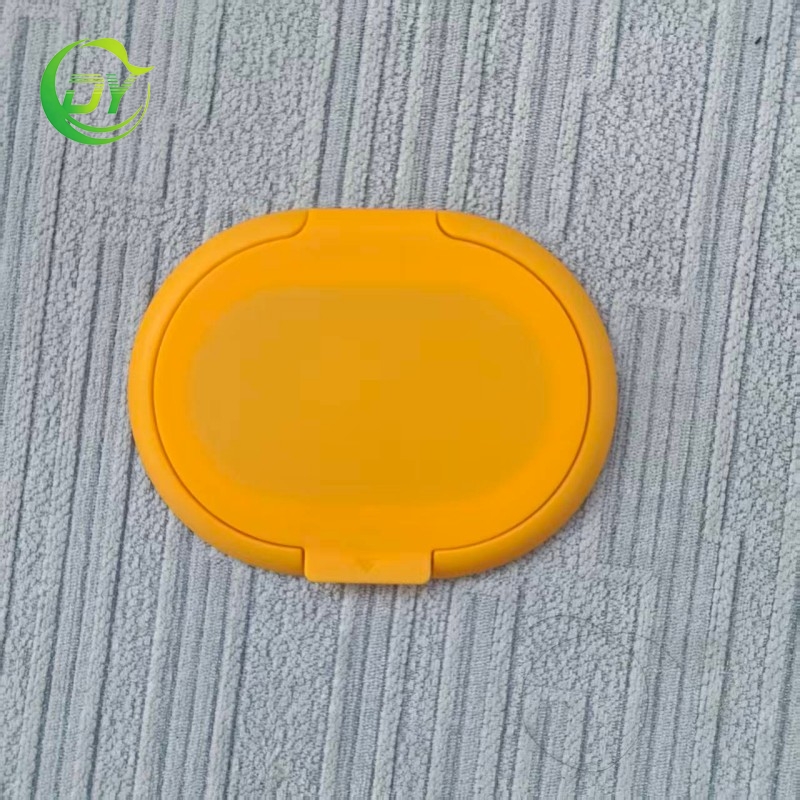
A plastic wet wipes lid is a molded closure attached to the top of a flexible wipes pack. It normally includes a hinged cover, a base frame, a dispensing opening, and a sealing surface. The user opens the lid to remove one wipe and closes it again to reduce exposure to air, dust, and handling.
In packaging terms, the lid is a reclosable dispensing closure. It is different from the inner adhesive label or foil seal. The inner seal usually protects the pack before first opening, while the lid is designed for repeated use after opening.
Common materials include:
Material selection should be based on the complete package. A lid designed for a thick laminated film may not perform correctly on a thin nonwoven pouch. The film thickness, adhesive type, pouch dimensions, and opening size all affect the final result.
The words “lid” and “cap” are sometimes used interchangeably in product listings, but they often describe different closure styles.
| Feature | Wet wipes lid | Wet wipes cap |
|---|---|---|
| Typical design | Flat or slightly raised flip-top closure attached to a flexible pouch | May refer to a screw cap, snap cap, or a small closure used on a canister or bottle |
| Common pack type | Soft packs with a film opening | Rigid tubs, bottles, refill packs, or special dispensing systems |
| Opening method | Lift a hinged cover | Twist, snap, press, or lift, depending on the design |
| Production needs | Requires accurate film cutting, adhesive application, or heat sealing | Usually requires a compatible neck, threaded finish, or rigid container |
| Best-known benefit | Low package weight and convenient one-hand access | Greater structural support for rigid containers and some larger openings |
For a standard flexible wipes pouch, a flip-top plastic lid is usually the more suitable option. For a rigid canister, a cap or integrated canister lid may be a better choice. A buyer should confirm the closure type with a drawing or production sample instead of relying only on the product name.
Wholesale purchasing is important because wet wipes are usually produced in large batches. Buying a closure one unit at a time increases packaging cost, creates supply risk, and may lead to inconsistent color or dimensions between production runs.
A planned wholesale program can provide the following advantages:
Wholesale does not automatically mean better value. A low unit price may be offset by high mold fees, excess minimum order quantities, poor packaging, or a high defect rate. Compare the total landed cost, which includes product price, tooling, inspection, shipping, customs, and possible rework.
Before requesting a quotation, prepare a technical specification. This makes supplier comparisons more accurate and reduces sample revisions.
Specify the external length and width, base height, dispensing hole size, hinge position, and adhesive or heat-seal area. A difference of only a few millimeters can cause a lid to cover the opening incorrectly or interfere with the pouch edge.
The opening must allow the wipe to pass through without tearing or pulling out several wipes at once. If the hole is too small, users may struggle to remove the wipe. If it is too large, more of the wipe surface is exposed during each use.
A living hinge must flex repeatedly without cracking. Ask the supplier how hinge durability is tested and request a written test method. The correct cycle count depends on the product design and usage expectations, so buyers should approve a target based on actual customer use rather than accepting an unsupported number.
The lid should close securely without requiring excessive force. A clear “click” can help users know that the closure is shut, but the sound alone does not prove sealing performance. Test both the opening force and the closed position after repeated use.
The underside of the lid must work with the film or adhesive label. Check the contact width, flatness, surface energy, and pressure required for bonding. A closure may look correct but still lift at the corners if the adhesive and plastic are not compatible.
Use a physical color standard, a Pantone reference, or an approved master sample. Matte, glossy, textured, and soft-touch surfaces may have different appearance and scratch behavior. If the lid will be printed, request a rub-resistance test.
Request the resin name, material grade, colorant information, and relevant compliance declarations. If the product may contact food, medicine, or a regulated cosmetic product, the applicable rules must be confirmed for the destination market. For example, the U.S. Food and Drug Administration maintains regulations for certain polymers used in food-contact applications under . This does not mean every wet wipes lid is automatically a food-contact material.
Plastic flip-top lids are used in several industries because they combine a wide opening with a lightweight package.
Baby wipes are frequently opened during diaper changes, so one-hand access is valuable. The lid should have rounded edges, a stable hinge, and a smooth opening. The package should also be checked for small detachable parts and sharp flash.
Makeup remover wipes, facial cleansing wipes, intimate wipes, and body wipes often use a compact pouch. A low-profile lid supports shelf presentation and can reduce the package volume during transport.
Disinfecting and surface-cleaning wipes may contain alcohol, quaternary ammonium compounds, solvents, or other active ingredients. The closure and adhesive must be tested for chemical compatibility. A material that performs well with water-based baby wipes may weaken when exposed to a stronger cleaning formula.
Pet wipe packs are used in homes, cars, grooming areas, and veterinary settings. The lid should resist dust and repeated handling. Larger openings may be useful when the wipes are thick or textured.
Industrial wipes may contain degreasers or solvents. For these products, chemical resistance, torque or snap performance, and leakage control require special attention. The supplier should test the actual liquid formulation rather than a water substitute only.
Choosing a supplier involves more than checking a catalog photo. Use a step-by-step process.
Provide the pouch dimensions, film structure, film thickness, opening shape, wipe size, wipe count, liquid type, and filling method. Include whether the lid will be applied manually, semi-automatically, or on a high-speed packaging line.
Request a 2D drawing with tolerances and a 3D file if your engineering team needs to check the package. Important measurements include the lid footprint, dispensing hole, hinge clearance, adhesive area, and stacking height.
A sample that works by hand may fail during automated application. Check alignment, adhesive bonding, feeding, lid closing, film wrinkles, and rejection rate. Record the line speed and operating conditions during the trial.
Useful tests may include:
For transport testing, buyers may use an appropriate distribution-testing plan based on . ASTM D4169 provides a framework for evaluating shipping units under simulated distribution hazards. The exact test cycle should match the package weight, shipping method, and distribution environment.
Agree on acceptable quality limits before mass production. ISO 2859-1 is commonly used as a reference for attribute sampling plans, but the selected inspection level and AQL values should be written into the purchase agreement. Define critical defects, major defects, and minor defects clearly.
Approve a signed or digitally documented golden sample. It should show the color, logo position, hinge action, surface finish, dimensions, and packaging method. Production should not begin until the sample and specifications match.
Discuss lead time, safety stock, mold maintenance, packaging quantity, carton markings, and shipping terms. Ask whether the supplier can keep the same color and tooling settings for future orders.
Several defects can reduce customer satisfaction or create production delays.
Use a root-cause method instead of replacing the lid immediately. Compare a sealed unopened pack with an opened pack, measure weight loss over a controlled period, inspect the adhesive area, and test the actual storage temperature and humidity. This approach helps identify whether the closure is the true cause.
Documentation supports safer sourcing and smoother import procedures. Depending on the market and product claim, request:
Regulations differ by country and by the intended use of the wipes. A cosmetic wipe, disinfecting wipe, medical wipe, and food-contact wipe may have different requirements. The brand owner remains responsible for confirming the rules that apply to the finished product in the target market.
Compare suppliers using total cost rather than unit price alone.
Total landed cost per lid = product price + tooling allocation + inspection cost + packaging cost + freight + duty + expected defect and rework cost.
For example, a lid priced at $0.018 per unit may not be cheaper than one priced at $0.021 if it produces more line rejects or requires additional manual bonding. A simple cost sheet should include order quantity, minimum order quantity, mold charge, lead time, payment terms, shipping method, carton quantity, and replacement policy.
Also consider inventory. If a factory uses 100,000 lids per month and the supplier’s lead time is 45 days, the buyer may need stock to cover at least 1.5 months of normal demand, plus a safety margin. The correct amount depends on demand variation and the consequences of a delayed shipment.
Dongyang can be considered when a buyer needs wet wipes lid sourcing, custom dimensions, private-label appearance, or support with flexible pouch compatibility. When contacting Dongyang, send the pouch drawing, wipe specifications, liquid formula information, expected monthly volume, destination market, and application method.
A professional supplier discussion should cover:
Ask for a physical sample before confirming a large order. Test the sample with the finished pouch, actual wipes, and actual liquid. This is the fastest way to confirm whether a custom wet wipes lid supplier can meet your technical and commercial requirements.
Yes. Many suppliers can match a color using a Pantone reference or an approved physical sample. Confirm the minimum order quantity, color tolerance, masterbatch type, and whether the same resin and color process will be used for repeat orders.
It can be used if the plastic, adhesive, film, and hinge are compatible with the disinfectant formula. Test the complete package with the actual active ingredients, concentration, storage temperature, and intended shelf life.
PP is a common choice because it offers a useful balance of stiffness, low weight, and molding performance. However, the best material depends on hinge design, chemical exposure, required appearance, temperature conditions, and regulatory needs.
Check the film surface, adhesive type, bonding pressure, application temperature, lid flatness, and pouch dust or lotion contamination. A wider adhesive area may help, but the supplier should first identify the actual failure point.
Include the package size, film structure, film thickness, opening dimensions, wipe dimensions, wipe count, liquid type, monthly quantity, target price, color, logo requirements, delivery location, and application equipment.
A rigid lid usually provides a more repeatable opening and closing experience than an adhesive label. However, the label may cost less and can be suitable for lower-use products. Some packages use both: an inner adhesive seal for initial protection and a plastic lid for repeated access.
Request company information, product drawings, samples, material documents, inspection records, production photos, references where available, and a clear purchase agreement. A factory audit or third-party inspection can provide additional control for larger orders.
Start by measuring your pouch opening and identifying the wipe formula. Then request two or more compatible samples, test them on the production line, and compare seal performance, opening force, hinge durability, appearance, lead time, and total landed cost. Keep an approved sample and written specification for every repeat order.
For more guidance, review the relevant packaging and product regulations for your target market, prepare a technical drawing, and contact Dongyang with your required quantity. A carefully tested bulk flip-top wet wipes lid can support consistent packaging performance, but the final result depends on the lid, film, adhesive, inner seal, wipe material, and liquid formula working together.