
Plastic wet wipes lids control product freshness, user convenience, and packaging cost. For brands searching for a Plastic Wet Wipes Lid Wholesale supplier, the correct closure must match the wipe pack, film, adhesive, filling line, and target market. A lid that looks suitable may still leak, crack, or allow moisture loss during transport. This guide explains how to choose, test, order, and customize plastic lids for wet wipes packaging.
Wet wipes are used in homes, hospitals, hotels, restaurants, baby care, personal care, and industrial cleaning. As these products move through storage, shipping, and daily use, the lid becomes more than a decorative part. It helps protect the opening, reduce evaporation, and provide a controlled user experience.
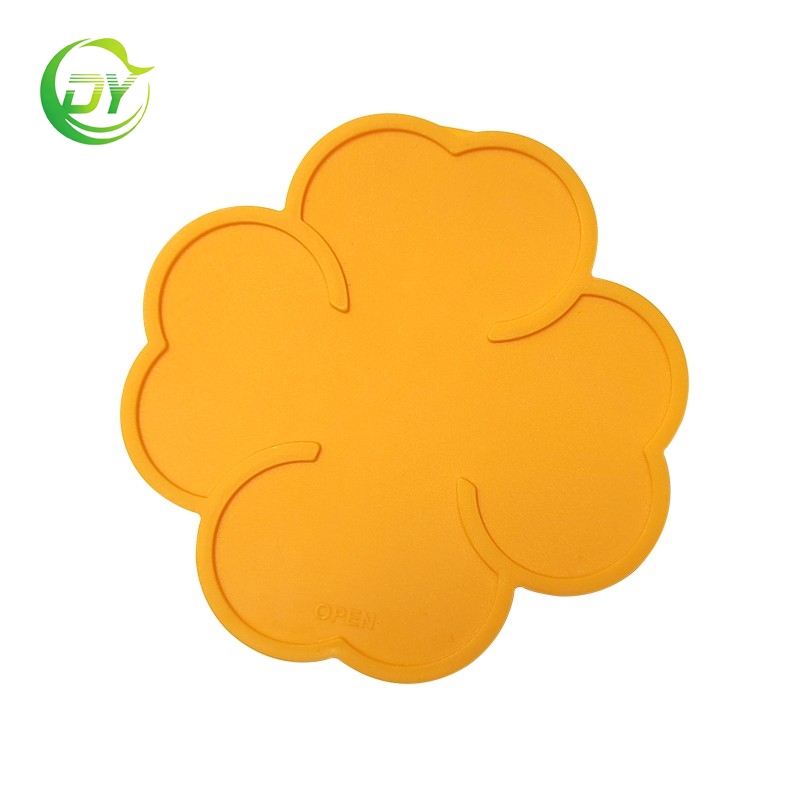
A plastic wet wipes lid is a molded closure attached to the top of a flexible wet wipes pouch. It normally covers a peelable adhesive label or dispensing opening. The lid can be opened and closed repeatedly while the package is in use.
In the packaging industry, several terms describe this component:
The lid is only one part of the closure system. The final result also depends on the pouch film, adhesive label, wipe formulation, sealing temperature, filling process, and storage conditions.
Wet wipes contain water, surfactants, preservatives, fragrances, oils, or other active ingredients. If the package opening is not covered correctly, moisture can escape and the wipes may become difficult to use. A lid also protects the opening from dust, accidental contact, and contamination from the outside environment.
For a wholesale buyer, the lid affects four measurable areas:
| Performance area | What to measure | Why it matters |
|---|---|---|
| Moisture retention | Package weight loss over a defined storage period | Shows whether the closure and film reduce evaporation |
| Opening strength | Peel or opening force in newtons | Confirms that users can open the pack without tearing the pouch |
| Hinge durability | Open-and-close cycle testing | Shows whether the lid remains attached during repeated use |
| Package integrity | Leak, vacuum, compression, and drop testing | Reduces failures during handling and transportation |
| Line compatibility | Application speed, alignment, and reject rate | Prevents production delays and excessive waste |
ASTM D4169 provides a recognized approach for evaluating shipping containers and systems under distribution hazards such as vibration, impact, and compression. Buyers can use this type of testing framework when checking whether a finished wet wipes pack can survive normal logistics conditions.
There is no single universal wet wipes lid size. The correct dimension depends on the pack width, wipe count, dispensing opening, folding method, and available bonding area. The following size ranges are common starting points for product development, not final specifications.
| Package type | Typical wipe count | Common lid size range | Typical application |
|---|---|---|---|
| Travel or pocket pack | 8–20 wipes | Approximately 50 × 35 mm to 65 × 45 mm | Travel, makeup removal, small personal-care packs |
| Standard personal-care pouch | 20–50 wipes | Approximately 70 × 50 mm to 90 × 65 mm | Hand wipes, face wipes, adult care wipes |
| Baby wipes pouch | 60–100 wipes | Approximately 90 × 65 mm to 110 × 75 mm | Home use, nursery, childcare, family packs |
| Large household or commercial pack | 100–200 or more wipes | Approximately 110 × 75 mm to 140 × 95 mm | Cleaning wipes, healthcare, hospitality, industrial use |
These dimensions describe the outside lid footprint. The usable dispensing opening may be smaller. Before requesting a quotation, provide the supplier with the pouch drawing, opening dimensions, film structure, lid position, and required adhesive area.
A lid that is too small may not cover the entire opening. A lid that is too large can reduce the bonding area, interfere with packaging equipment, or make the finished pouch difficult to stack. For this reason, buyers should approve a physical sample rather than selecting a size from a catalog alone.
Most plastic wet wipes lids are produced from injection-molded polypropylene (PP) or high-density polyethylene (HDPE). The choice depends on hinge design, stiffness, chemical resistance, color requirements, and cost.
Material compatibility must be checked with the actual wet wipe liquid. Fragrance oils, alcohol, solvents, preservatives, and surfactants can affect plastics or adhesives over time. A supplier should test the lid, adhesive, film, and liquid as a complete system.
For sustainability planning, ask whether the lid uses virgin resin, recycled resin, or a blend. Also confirm whether the lid and pouch can be separated for disposal. The Association of Plastic Recyclers provides design guidance for packaging, but local recycling rules still determine how the finished package is handled in each market.
A living hinge should flex without whitening, cracking, or separating from the lid body. Ask the manufacturer for the target opening-and-closing cycle count. The required number depends on the product. A travel pack may be opened 10 times, while a family pack may be opened more than 50 times during use.
A snap closure should provide clear closing feedback without requiring excessive force. The cap must stay closed when the pouch is squeezed or packed in a bag. Ask for opening-force and closing-force data in newtons during sample approval.
The hole should allow the wipes to pass through without pulling several wipes out at once. A hole that is too narrow can tear the wipe. A hole that is too wide can allow rapid moisture loss and poor dispensing control.
The base needs enough surface area to bond to the pouch film. The adhesive must work with the film’s outer layer, which may include PET, PE, PP, nonwoven laminate, or another structure. Adhesion should be checked after application, storage, bending, and temperature exposure.
Glossy, matte, embossed, and soft-touch finishes are available. Matte textures can reduce visible fingerprints, while glossy surfaces may support brighter colors. The finish should not reduce adhesive performance or create sharp edges.
Baby, medical, and personal-care products may require extra attention to small parts, sharp edges, chemical migration, and cleanliness. Product requirements differ by country. The buyer should identify the market before approving materials or compliance documents.
Price is important, but the lowest unit price may not produce the lowest total cost. A lid with a high reject rate can increase labor, film waste, rework, and customer complaints.
Use the following supplier review process:
An ISO 9001-certified quality management system can show that a factory uses documented processes, but certification alone does not prove that a specific lid will work with your pouch. Sample testing remains necessary.
A practical test plan should cover the lid and the finished wet wipes pack. The following checks are useful during product development:
ASTM D4169 is useful for distribution testing, while internal specifications should define the exact drop height, compression load, temperature, test duration, and sample quantity. Do not describe a lid as “leakproof” unless the test method and acceptance limit are documented.
Baby wipes usually require smooth edges, easy opening, secure closing, and dependable moisture retention. The lid should not create a sharp corner that can scratch the user. Color and printed graphics are often used to support brand recognition.
Makeup remover wipes, facial cleansing wipes, intimate wipes, and deodorizing wipes often use smaller pouches. A low-profile lid can improve portability, while a controlled opening helps users remove one wipe at a time.
Cleaning wipes may contain stronger surfactants, disinfectants, or solvents. The closure and adhesive must be tested with the exact liquid. A package designed for baby wipes should not automatically be used for chemical cleaning wipes.
Healthcare products may require controlled manufacturing, traceability, and market-specific regulatory documentation. The lid should be evaluated as part of the complete sterile or non-sterile packaging system, depending on the product claim.
Restaurants, hotels, airlines, and catering companies need closures that withstand frequent handling and storage. Compact dimensions, clear branding, and reliable cap retention can improve user experience in high-volume settings.
Industrial wipes may be exposed to oils, grease, alcohols, or solvents. Chemical compatibility, impact resistance, and package integrity should receive priority over decorative features.
Before asking for a quotation, prepare a short purchasing specification. It should include:
Compare suppliers using total landed cost rather than unit price alone. Include tooling, sampling, freight, customs, inspection, storage, rejected parts, and payment terms. For example, a lid that costs $0.002 more per piece but lowers a 3% production reject rate to 0.5% may reduce the final packaging cost.
Ask whether the quoted price applies to one color, one mold, one lid size, and one adhesive specification. Changes in color, logo, material, or dimensions may create additional tooling or setup charges.
Dongyang can be considered when a buyer needs support with plastic wet wipes lids, custom dimensions, colors, adhesive application, and bulk production planning. The most useful first step is to send the existing pouch sample or technical drawing instead of requesting a lid based only on a product photo.
During communication, ask Dongyang to confirm the following points in writing:
A clear technical brief helps the supplier recommend the correct structure faster and reduces the risk of ordering a lid that cannot run on the filling line.
Polypropylene is widely used because it supports rigid parts and living-hinge designs. HDPE is also used when impact resistance and chemical resistance are important. The best material depends on the wipe liquid, hinge design, and production requirements.
One lid may fit several pouches if the opening, bonding area, and package shape are the same. However, a larger pouch may need a wider dispensing opening or a stronger base. Always test each finished pouch format.
Use a compatible lid, strong adhesive bond, suitable pouch film, and correctly sealed opening. Store filled samples at defined temperatures and measure package weight loss over time. Moisture retention cannot be judged from the lid design alone.
Send the pouch dimensions, opening size, film structure, wipe count, liquid type, preferred lid size, color, logo requirements, estimated order volume, and delivery location. A physical pouch sample is even more useful.
A standard lid usually offers shorter development time and lower tooling cost. A custom lid is useful when the brand needs a special shape, logo, color, opening size, or machine-fit requirement. Approve the complete package before starting custom tooling.
Depending on the market and application, request a material specification, certificate of analysis, restricted-substance statement, quality inspection report, and relevant test results. If the wipes make medical, disinfecting, cosmetic, or baby-care claims, confirm the regulatory requirements for the destination country.
Review factory information, production photos, technical drawings, sample quality, inspection records, mold management, and customer references where available. A video audit or third-party factory inspection can provide additional evidence before a large purchase.
Start by measuring the current pouch and recording the dispensing opening, film structure, wipe count, and liquid formula. Then request two or three lid samples, apply them to the real packaging, and run opening, adhesion, leakage, moisture-retention, drop, and compression tests. Record the results in a written approval standard before mass production.
For additional technical guidance, review the , the , and packaging recycling guidance from the . When you are ready to compare options, contact Dongyang with your pouch drawing and request a sample from a qualified bulk flip top lids for wet wipes packaging manufacturer.