
PP plastic, or polypropylene, is a lightweight thermoplastic commonly used to manufacture wet wipes lids because it resists moisture and chemicals, supports precise injection molding, and can form a reliable snap-fit or living-hinge closure. For brands and distributors, PP is valuable because it helps protect wipe moisture, improves package usability, and supports efficient Plastic Wet Wipes Lid Wholesale production at competitive unit costs.
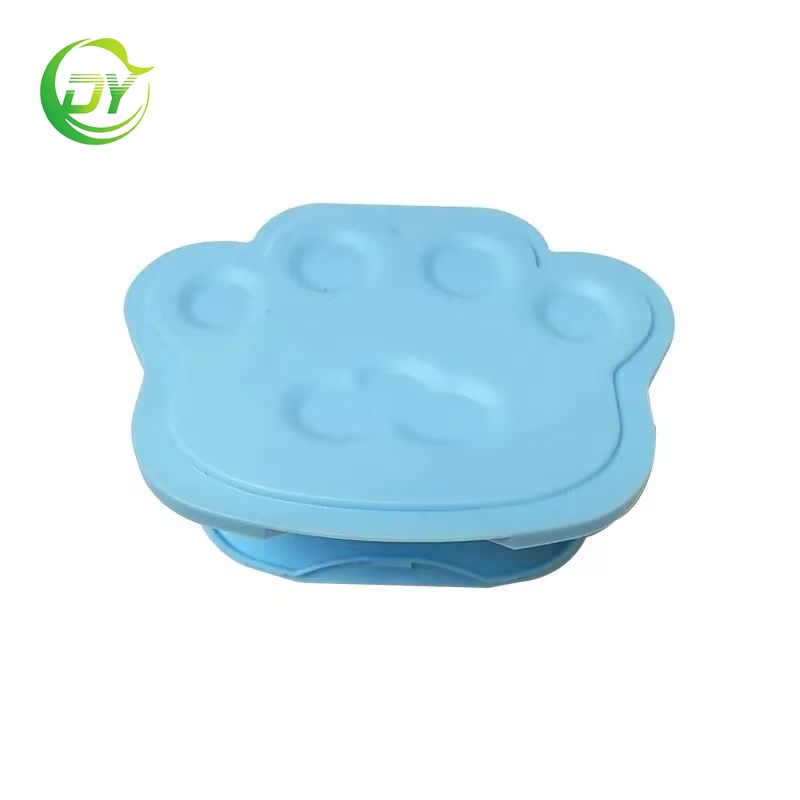
Wet wipes packaging developed from simple flexible film packs into more functional dispensing systems. As consumers began demanding resealable baby wipes, household cleaning wipes, cosmetic wipes, and personal-care wipes, packaging manufacturers needed a material that could combine flexibility, durability, chemical resistance, and high-volume manufacturability.
Polypropylene meets these requirements particularly well. It is processed by injection molding, allowing manufacturers to produce detailed features such as:
For a Dongyang packaging supplier, this combination makes PP an effective choice for both standard and customized wet wipes lid programs.
The primary purpose of a wet wipes lid is to reduce evaporation and contamination after the pack is opened. PP has low water absorption compared with many engineering plastics, helping the lid maintain dimensional stability in a humid bathroom, nursery, vehicle, or cleaning environment.
PP also offers good resistance to many common wipe formulations, including water-based solutions, mild surfactants, skin-care ingredients, and selected preservatives. However, compatibility must be confirmed with the actual formulation. Alcohols, essential oils, strong solvents, or aggressive disinfectants may require additional testing.
A living hinge is a thin, flexible section molded as part of the lid. PP is well known for its resistance to repeated flexing, making it suitable for lids that may be opened several times per day.
A properly designed PP living hinge can reduce the need for separate hinge components. This lowers assembly complexity and helps prevent the lid from becoming detached or misplaced during use.
Hinge performance depends on more than resin selection. Important variables include:
PP provides a useful balance between stiffness and low density. The lid can be thin enough to reduce packaging weight while remaining rigid enough to protect the dispensing opening and withstand normal handling.
This matters in large-scale distribution. A small reduction in component weight can lower resin consumption, carton weight, freight cost, and total packaging carbon impact across millions of units.
PP has favorable processing characteristics for high-volume injection molding. It can fill complex cavities efficiently, supports short cycle times, and allows manufacturers to integrate functional features directly into the lid.
For Plastic Wet Wipes Lid Wholesale projects, injection molding also makes it practical to produce consistent batches with repeatable dimensions. Dongyang manufacturers may use mold tolerances and dimensional controls as precise as 0.01 mm for selected critical features, such as the sealing interface or snap-fit geometry.
PP can be produced in transparent, translucent, white, black, or custom colors. Color masterbatch can be added to match a brand identity, while molded-in logos can improve shelf recognition without applying a separate label.
Surface finishes may include matte, gloss, fine texture, or customized patterns. These options help a wet wipes brand create a more premium appearance while preserving the practical function of the closure.
| Packaging problem | How a PP lid helps | Design or quality point to verify |
|---|---|---|
| Wipes dry out after opening | Provides a resealable cover over the dispensing opening | Check gasket compression, flatness, and closure force |
| Lid breaks during transport | Offers a tough, lightweight molded structure | Perform drop and impact testing, such as ASTM D5276 or ASTM D256 where applicable |
| Hinge cracks after repeated use | Supports integrated living-hinge construction | Run repeated opening-and-closing cycle tests |
| Inconsistent fit with the flexible pack | Enables accurate molded dimensions | Inspect critical dimensions and conduct fit testing on the finished pouch |
| High packaging cost | Supports high-volume production with low material consumption | Review resin grade, cycle time, scrap rate, and tooling efficiency |
A common misunderstanding is that PP automatically creates an airtight package. In reality, the final moisture-retention performance depends on the complete packaging system, including the flexible film, adhesive layer, lid geometry, dispensing aperture, sealing membrane, and application process.
A high-performing lid may use a peripheral sealing rib, elastomeric contact surface, pressure-sensitive adhesive membrane, or integrated plug-style closure. The design should be evaluated on the actual wipes pouch rather than on the lid alone.
Not every PP grade is suitable for every wet wipes product. A supplier should evaluate:
For products used with babies, cosmetics, or skin-contact wipes, the resin and color masterbatch should be supported by appropriate declarations and compliance documentation for the destination market. Depending on the application, buyers may request documentation related to FDA requirements, EU Regulation (EC) No. 1935/2004, REACH, or other local regulations. Compliance claims should always be confirmed for the exact material formulation and intended use.
Small dimensional deviations can cause large performance differences. If the lid is too loose, it may open during transportation. If it is too tight, consumers may struggle to open it or may damage the pouch.
A professional quality plan should define:
Depending on the customer specification, Dongyang production control can include first-article inspection, in-process inspection, final random inspection, and 100% visual inspection for defects such as short shots, flash, sink marks, contamination, and hinge damage.
Testing standards should be selected according to the product, market, and customer specification. Common references include:
These standards do not replace application-specific validation. For example, a wet wipes lid should also undergo pack-level testing for leakage, closure retention, repeated use, transportation vibration, and moisture loss.
PP grades differ in impact strength, stiffness, flow behavior, hinge performance, and chemical resistance. A grade optimized for rigid containers may not be ideal for a thin living hinge. Material selection should be based on the lid structure and wipe formulation.
Excessive wall thickness can increase cost, cycle time, sink marks, and warpage. Good design uses ribs, controlled wall sections, and proper draft angles rather than simply adding material.
PP can deliver a high-quality appearance through mold texture, gloss control, color matching, ultrasonic treatment, printing, or molded-in decoration. The correct surface specification is often more important than changing the base polymer.
The lid and pouch work as one system. Film thickness, adhesive strength, pouch curvature, opening size, and membrane placement all affect performance. Finished-pack validation is essential before mass production.
Illustrative case study: A baby wipes manufacturer needed a resealable lid for a high-moisture, lotion-based wipe. The initial design had two problems: the snap fit was difficult for consumers to open, and the hinge showed whitening after repeated use.
The engineering team improved the design by:
The result was a lid that was easier to operate, more resistant to hinge damage, and better suited to the brand’s Plastic Wet Wipes Lid Wholesale purchasing requirements. The example demonstrates why successful packaging depends on material, mold design, process parameters, and finished-product testing together.
When evaluating a supplier for Plastic Wet Wipes Lid Wholesale, buyers should request clear answers to the following questions:
PP is attractive for wholesale purchasing because its low density and injection-molding compatibility support efficient material usage. Nevertheless, the lowest unit price does not always represent the lowest total cost.
Buyers should consider the complete cost structure:
For long-term Plastic Wet Wipes Lid Wholesale programs, stable tooling, documented process control, consistent color management, and reliable delivery are often more valuable than a small difference in initial quotation price.
So, What Makes PP Plastic Suitable for Wet Wipes Lids? The answer is the combination of moisture resistance, chemical resistance, living-hinge flexibility, low density, injection-molding efficiency, dimensional control, and cost-effective scalability.
PP is not a complete solution by itself. Seal geometry, resin grade, mold quality, pouch compatibility, and standards-based testing determine the final result. By working with an experienced Dongyang supplier and validating the complete package, brands can develop wet wipes lids that protect product moisture, improve consumer convenience, and support dependable Plastic Wet Wipes Lid Wholesale supply.
For buyers exploring PP wet wipes lid manufacturing, custom resealable wipes lids, or wholesale polypropylene dispensing lids, the next practical step is to provide the pouch dimensions, wipe formulation, target market, color requirements, and expected annual volume for a technical review.