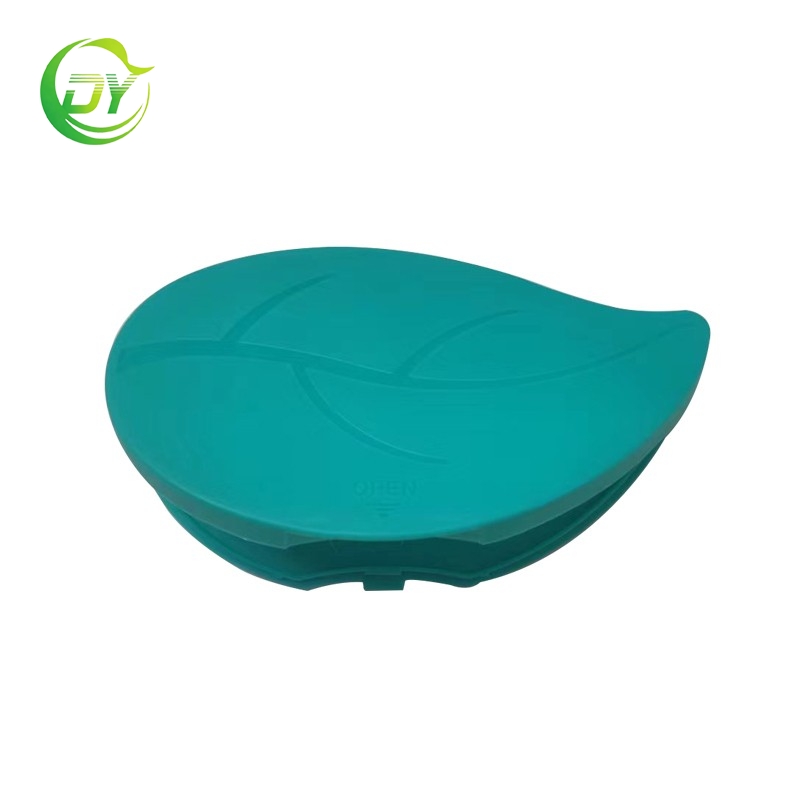
The global wet wipes market — spanning baby care, personal hygiene, household cleaning, medical disinfection, and industrial applications — exceeds $20 billion annually and continues to grow. In this crowded retail environment, where dozens of brands compete for attention on the same shelf, the wet wipe lid is far more than a functional closure. It is the first tactile interaction a consumer has with the product. It is the most visible brand element on the package front face. It is the engineered component that determines whether the wipes stay moist for months or dry out within weeks. For wet wipe brands, private label manufacturers, and packaging procurement professionals, the custom lid is simultaneously a branding opportunity, a quality differentiator, and a consumer retention mechanism — and the decisions made at the lid specification stage ripple through every aspect of product performance and market positioning.
This guide provides a comprehensive overview of custom wet wipes lid design and manufacturing in 2026 — covering material selection, lid types and customization options, the engineering behind moisture retention, production capabilities, and how to partner with an experienced injection molder like Dongyang, operating 40+ production machines from a 15,000-square-meter facility with two decades of plastic molding expertise.
1. Why the Wet Wipe Lid Is a Brand's Most Underestimated Asset
1.1 First Touch, Lasting Impression
A consumer selecting wet wipes in a supermarket aisle or scrolling an e-commerce listing makes decisions in seconds. The lid — its shape, color, texture, and the tactile quality of opening and closing it — communicates product quality before the first wipe is pulled. A cheap-feeling, loosely fitting lid signals a cheap product. A precision-molded lid with a satisfying snap-close action, a soft-touch surface, and a brand-identifying shape or logo signals quality, care, and attention to detail. The cost difference between a generic lid and a custom-branded lid is measured in fractions of a cent per unit. The consumer perception difference is measured in purchase decisions.
1.2 The Moisture Retention Engineering Challenge
Beyond branding, the lid is the critical barrier between wet wipes and the atmosphere. A wet wipe pack may sit on a changing table, bathroom counter, or cleaning cart for three to six months. During that time, the lid must maintain an airtight seal through hundreds of open-close cycles — each one an opportunity for moisture to escape. The engineering requirements are unforgiving: snap-fit tolerances of ±0.1mm or better, hinge designs that apply consistent sealing pressure after thousands of flex cycles, and materials that resist warping, cracking, and UV degradation. The difference between a lid that maintains wipe moisture for the full pack life and one that allows premature drying is the difference between a satisfied repeat customer and a one-star review.
Dongyang's injection molding capability spans 40+ production machines with daily output of 50,000 to 100,000 pieces per mold variety. The company produces lids for all major packaging formats — standard round/oval, rectangular canister, slim travel pack, and bulk refill bucket — with custom mold development for unique brand specifications. Two decades of plastic molding experience means the process parameters that determine lid quality — injection pressure, cooling time, mold temperature, and material drying — are dialed in, not discovered, on every production run.
2. Custom Lid Design: Options That Differentiate Your Brand
| Customization Element | Options Available | Brand Impact |
|---|---|---|
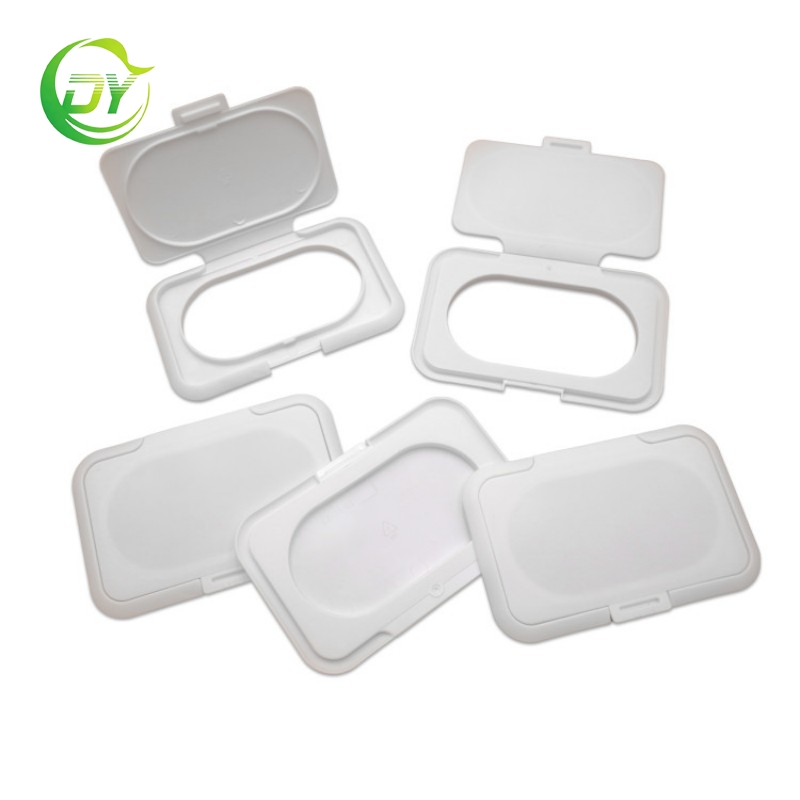
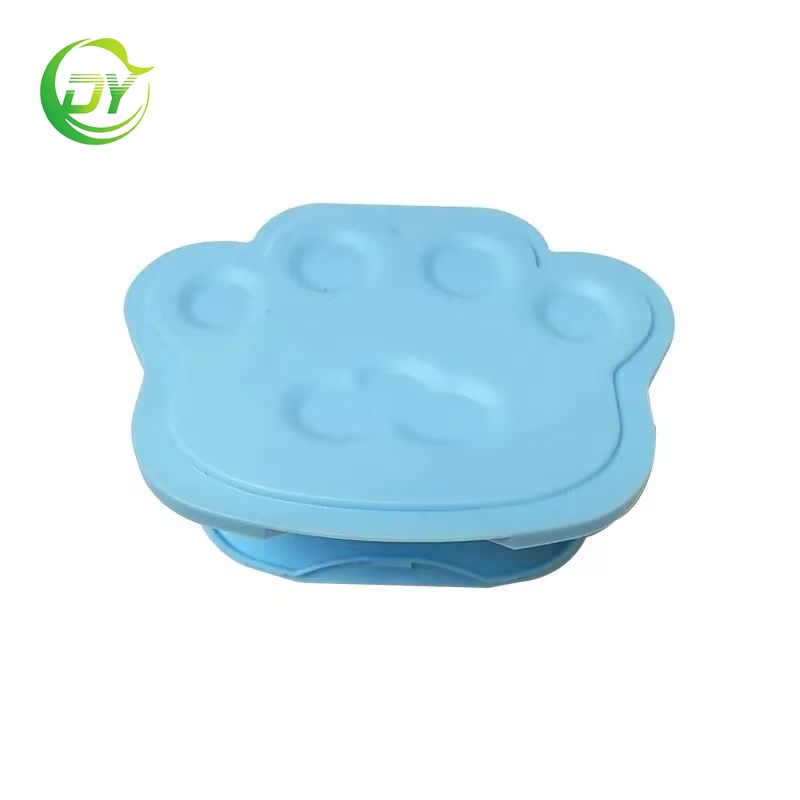
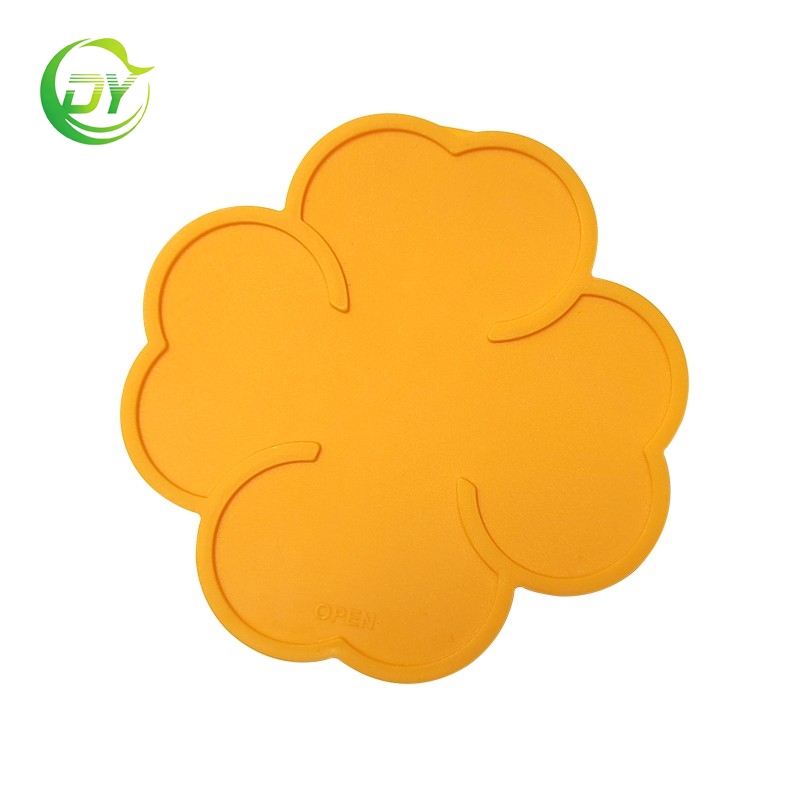
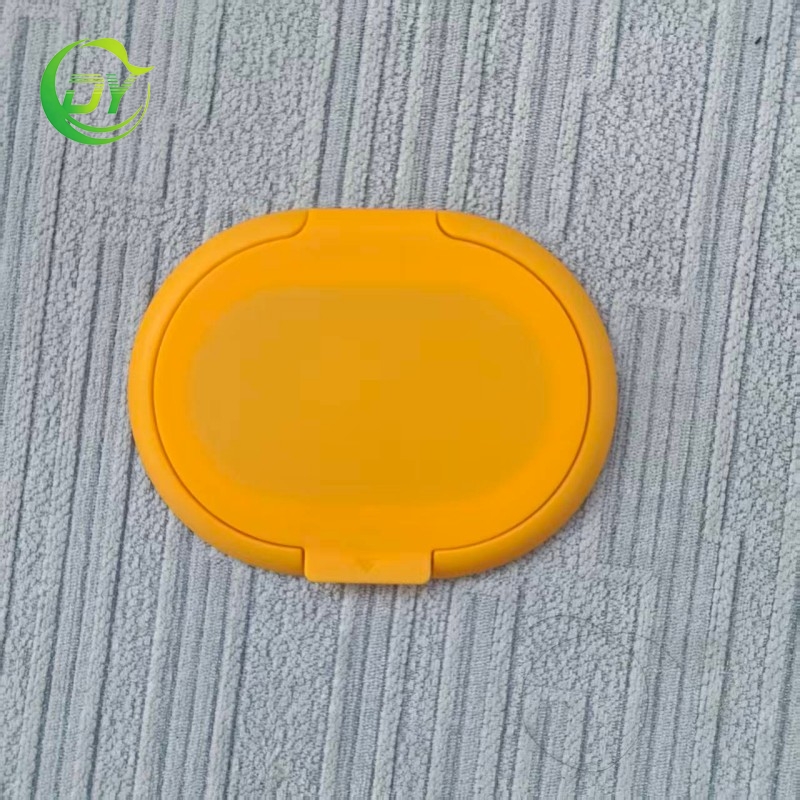
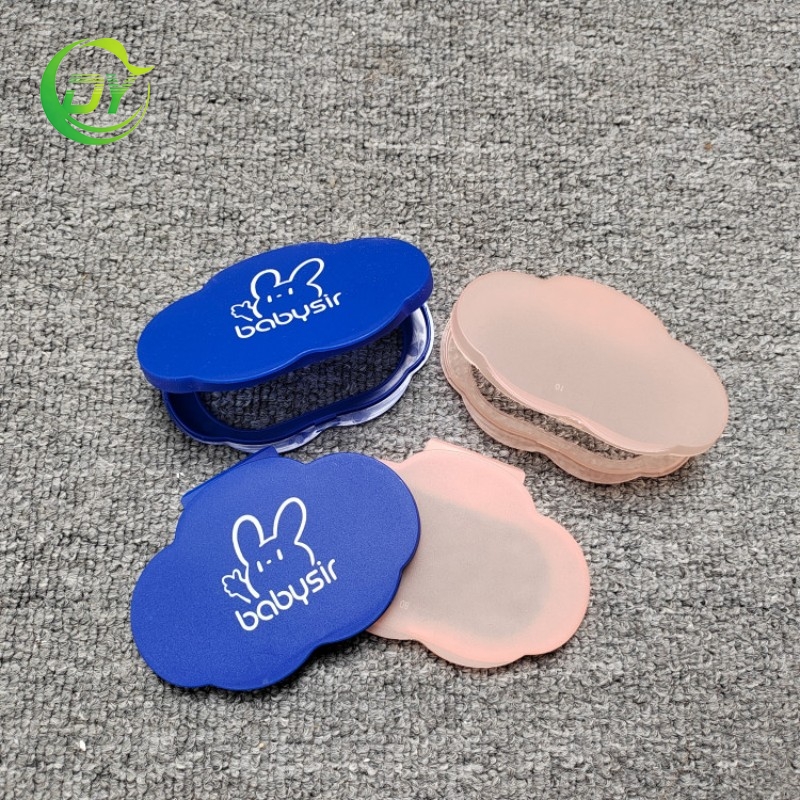
| Lid Shape | Classic oval, dome-top, recessed-top, bear shape, flower shape, geometric, fully custom (from drawings) | Distinctive shelf silhouette that consumers recognize without reading the label |
| Color | Pantone/RAL color matching — any shade, including translucent, opaque, metallic-effect | Brand color consistency across all packaging elements; color differentiation by variant (sensitive, aloe, fragrance-free) |
| Surface Finish | Glossy, matte, soft-touch texture, embossed pattern, debossed logo | Tactile brand experience; premium feel for higher-price-point products |
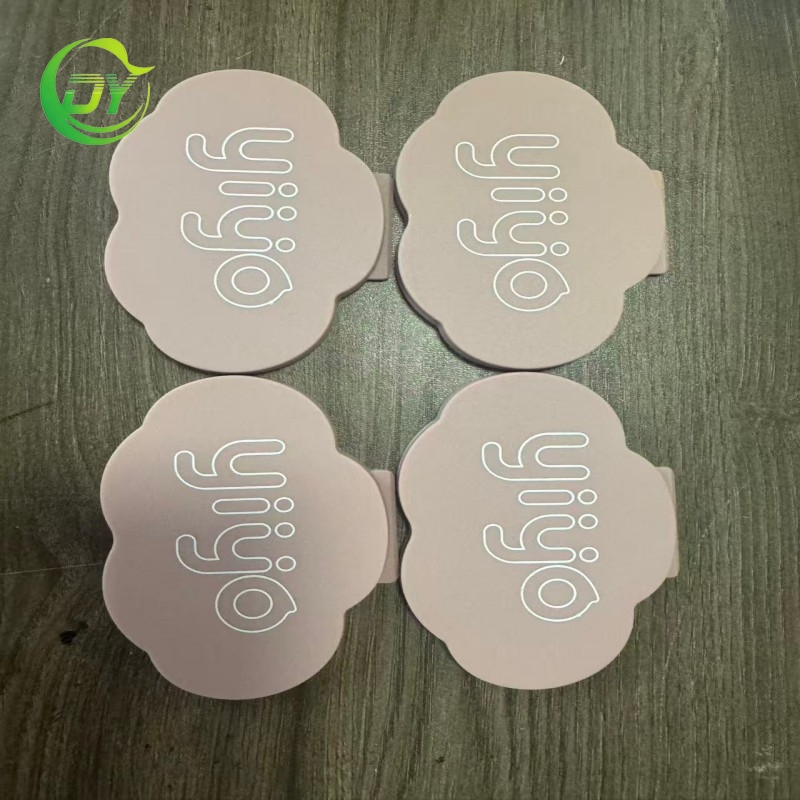
| Logo & Printing | Embossed/debossed logo in mold; pad printing; hot stamp printing; multi-color | Brand visibility on the most prominent package surface; no label required for brand identification |
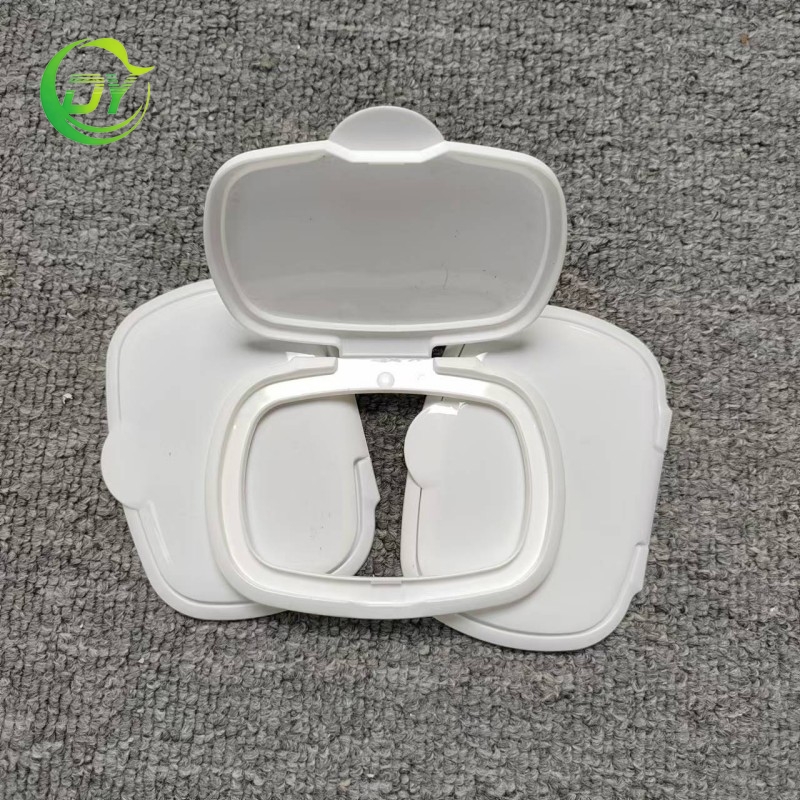
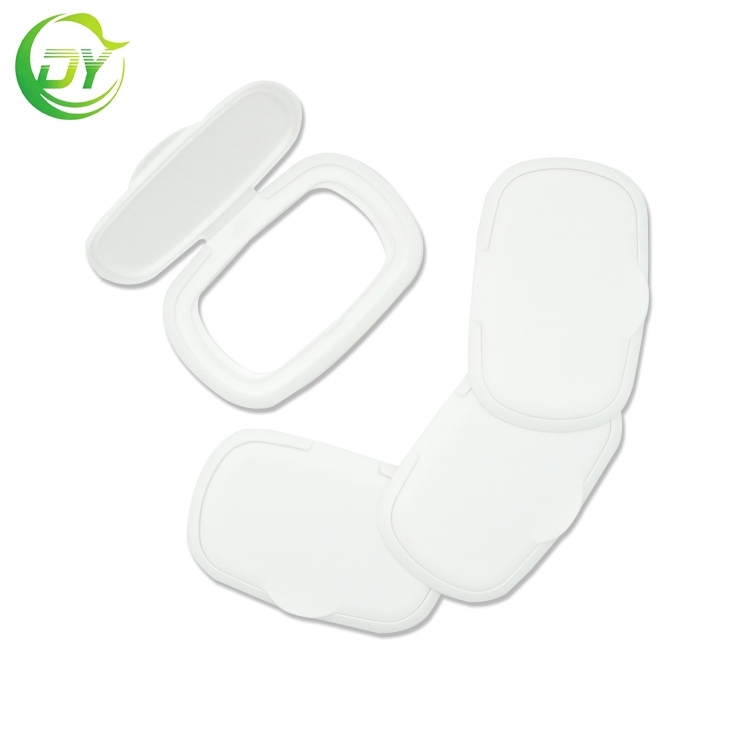
| Opening Mechanism | Standard flip-top, one-touch push-button release, child-resistant (double-action) | User experience differentiation; safety compliance for specific categories |
| Inner Seal Plug | Integrated sealing plug in dispensing opening for double moisture barrier | Superior moisture retention; "stays fresh longer" product claim support |
2.1 Shape Differentiation: The Power of Recognition
A bear-shaped lid on baby wipes. A flower-shaped lid on feminine hygiene wipes. A geometric dome on premium skincare wipes. These shapes are not decoration — they are visual shorthand that communicates product category, target audience, and brand personality before the consumer reads a single word on the label. In the baby wipes category especially, where purchasing decisions are emotionally driven and brand loyalty forms early, a distinctive lid shape creates instant shelf recognition that generic oval lids cannot match. Dongyang manufactures bear shape, flower shape, embossed flower, classic oval, and fully custom lid designs — with mold development for proprietary brand shapes.
2.2 Color and Finish: The Premium Perception
A matte-finish, soft-touch lid in brand-matched color communicates a different product quality than a standard glossy white lid. The premium baby wipe brands have understood this for years — their lids are tactile, muted, and color-coordinated with the rest of the packaging. As the wet wipes market segments into value, mid-tier, and premium price points, lid quality and customization level increasingly define which tier a product occupies. Dongyang's in-house injection molding and finishing capabilities support the full range of surface and color options without subcontracting — maintaining quality control and lead time consistency.
3. Material Selection: PP vs PE for Wet Wipes Lids
| Property | Polypropylene (PP) | Polyethylene (PE) |
|---|---|---|
| Rigidity | High — maintains shape and seal pressure | Low to medium — flexible |
| Hinge Durability | Excellent — thousands of flex cycles without failure | Good — more flexible but less durable in thin sections |
| Moisture Barrier | Good — suitable for wet wipe applications | Excellent — better inherent moisture barrier |
| Clarity (Translucent) | Good — can be produced in translucent grades | Better — naturally more translucent |
| Surface Finish Options | Excellent — glossy, matte, textured, embossed | Moderate — glossy to satin |
| Recyclability | Widely recyclable (resin code #5) | Widely recyclable (resin codes #2 and #4) |
| Cost | Moderate | Slightly lower |
| Best For | Flip-top lids requiring structural rigidity, hinge life, and premium finish | Snap-on caps and lids where flexibility aids sealing |
For the vast majority of wet wipes flip-top lid applications, PP is the industry standard. The combination of structural rigidity for consistent seal pressure, excellent hinge flex life, and broad finishing options makes it the default material choice. PE is sometimes specified for simple snap-on caps where flexibility is more important than rigidity, or for applications where the lower material cost is the primary consideration. Dongyang manufactures lids in PP as the standard material, with PE available based on specific customer requirements.
4. The Engineering Behind a Reliable Wet Wipe Lid
4.1 The Snap-Fit Seal: Precision Where It Counts
The snap-fit closure — the interlocking rim between the lid and the base — is the critical sealing interface. Manufacturing tolerances of ±0.1mm are required for consistent performance: too tight, and the consumer struggles to open the lid; too loose, and moisture escapes. Achieving this tolerance consistently across hundreds of thousands of injection-molded parts requires precise mold design, controlled process parameters, and rigorous quality inspection. Dongyang's two decades of injection molding experience translate directly into seal reliability — the snap-fit on today's production run matches the snap-fit on last month's, matching the snap-fit on the original mold trial sample.
4.2 The Hinge: 10,000 Flexes and Counting
The flip-top hinge is the most mechanically stressed component of any wet wipe lid. A family with a baby may open and close the lid 10-20 times per day. Over the 3-6 month life of a pack, that is 900 to 3,600 cycles. The hinge must survive every one — maintaining consistent closing pressure and alignment — without cracking, whitening (stress marks in PP), or loosening. PP's natural "living hinge" properties make it uniquely suited to this application. Proper mold design — with the hinge gate positioned to align polymer flow along the flex direction — doubles or triples hinge life compared to poorly designed molds.
4.3 The Inner Plug: The Moisture Defense in Depth
Many premium lids incorporate an inner sealing plug — a raised ring on the underside of the lid that presses into the dispensing opening when closed. This creates a double moisture barrier: the outer snap-fit seal plus the inner plug seal. Even if the outer seal degrades slightly over time, the inner plug maintains wipe freshness. It is a simple geometric feature that costs nothing extra in material but substantially improves moisture retention performance — and the consumer experience that depends on it.
5. Dongyang: Injection Molding at Scale for Wet Wipes Packaging
Dongyang is the export brand of Zhongtian Plastic — an integrated industry and trade enterprise specializing in plastic injection molding for wet wipe packaging. With over 20 years of molding experience, 40+ production machines, and a 15,000-square-meter facility, the company produces custom wet wipes lids, wet wipe buckets, and rice husk eco-tableware — with capacity for 50,000 to 100,000 pieces per mold variety daily.
Why wet wipe brands choose Dongyang for custom lids:
-
Twenty-plus years of injection molding expertise — process stability that comes from decades of production experience, not trial and error
-
Forty-plus production machines — capacity to handle large-volume orders without sacrificing delivery reliability
-
Full customization from concept to production — in-house mold development for custom lid shapes, colors, embossing, and printing based on customer drawings or samples
-
Complete wet wipe packaging product line — lids, buckets, and accessories from a single supplier simplifies procurement and ensures packaging system compatibility
-
Factory-direct pricing — vertically integrated manufacturing without intermediary markups
-
Stable supply chain — 15,000-square-meter facility with raw material inventory management and production scheduling designed for consistent, reliable delivery
-
Eco-friendly product extension — rice husk biodegradable tableware demonstrates the company's capability with sustainable materials for brands exploring green packaging initiatives
Develop Your Custom Wet Wipes Lid
Send Dongyang your lid specifications — shape, dimensions, color, surface finish, and logo requirements. Our team provides mold feasibility assessment, sample development timeline, and a complete production quotation.
Email zt06@zhongtianplastic.cnDongyang / Zhongtian Plastic | 20+ Years | 40+ Machines | OEM/ODM Wet Wipes Lids & Buckets
6. Frequently Asked Questions
Conclusion
The wet wipes lid is simultaneously a branding canvas, a moisture retention system, and a consumer experience touchpoint — all in a component that costs a fraction of the total product. For wet wipe brands competing in the $20 billion global market, the lid customization decisions — shape, color, finish, logo, seal design — directly influence shelf appeal, perceived quality, product performance, and repeat purchase behavior. The investment in a custom, quality-engineered lid pays back through differentiation in crowded categories and prevention of the product failures (dried-out wipes, broken hinges, loose seals) that destroy brand loyalty.
Dongyang's 20+ years of injection molding expertise, 40+ production machines, 15,000-square-meter facility, and full OEM/ODM capability — from custom mold development through high-volume production — provide wet wipe brands with a manufacturing partner that combines technical capability, production capacity, and the process stability that comes from decades of molding experience.
Start Your Custom Lid Project
Contact Dongyang with your lid concept — shape, dimensions, color, logo, and volume requirements. Our engineering team responds with a mold feasibility assessment, sample timeline, and production quotation.
Email zt06@zhongtianplastic.cnDongyang | Zhongtian Plastic | 20+ Years | Wet Wipes Lids · Buckets · Rice Husk Tableware