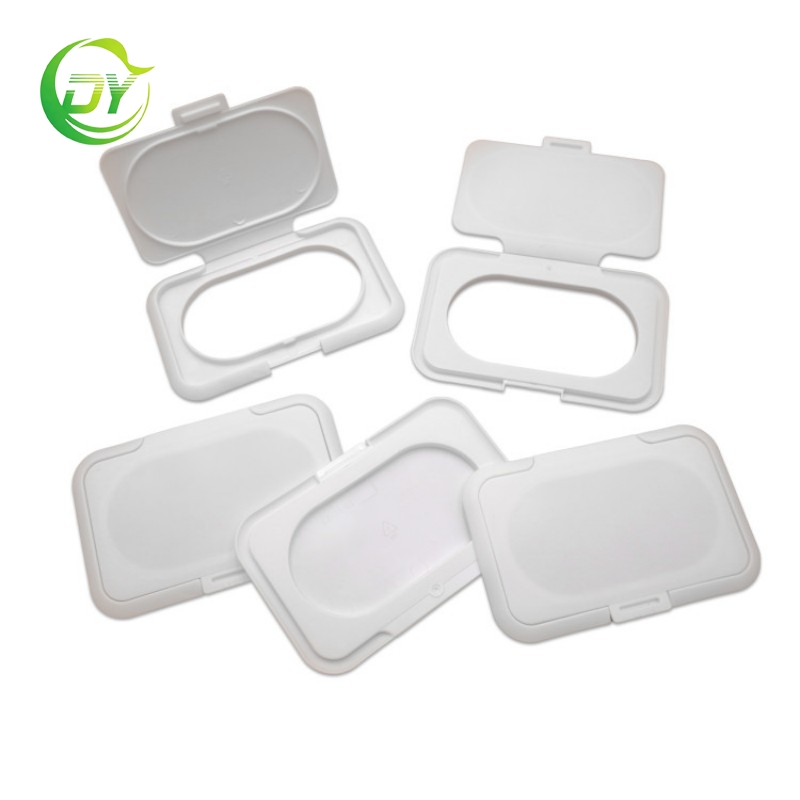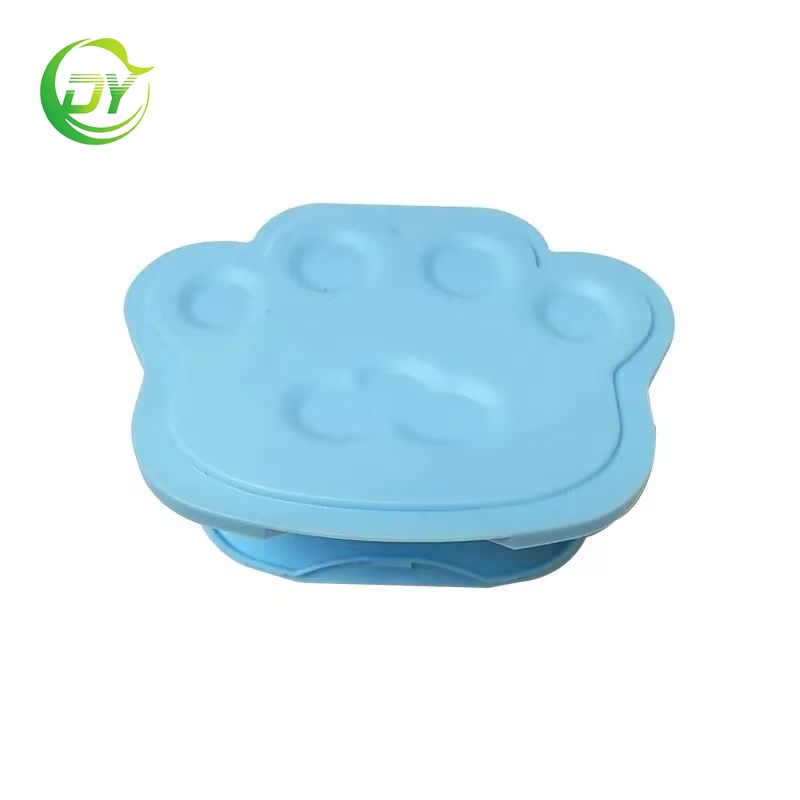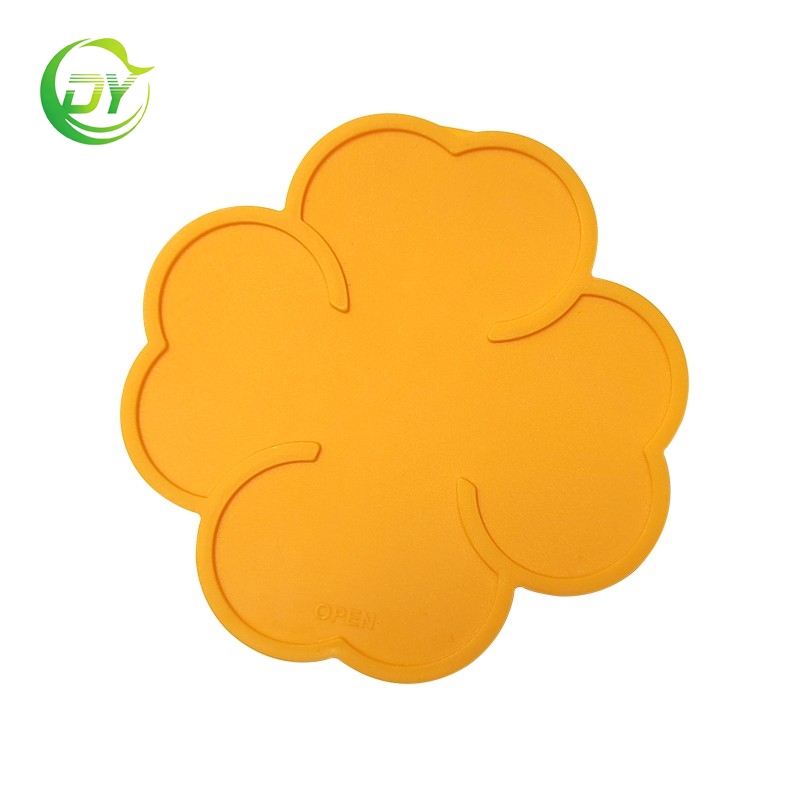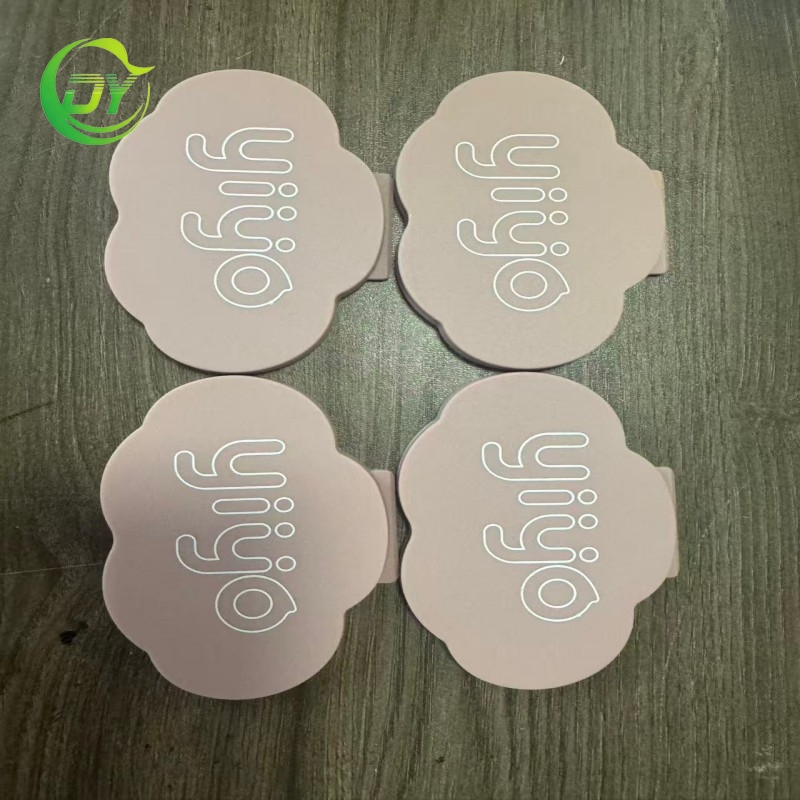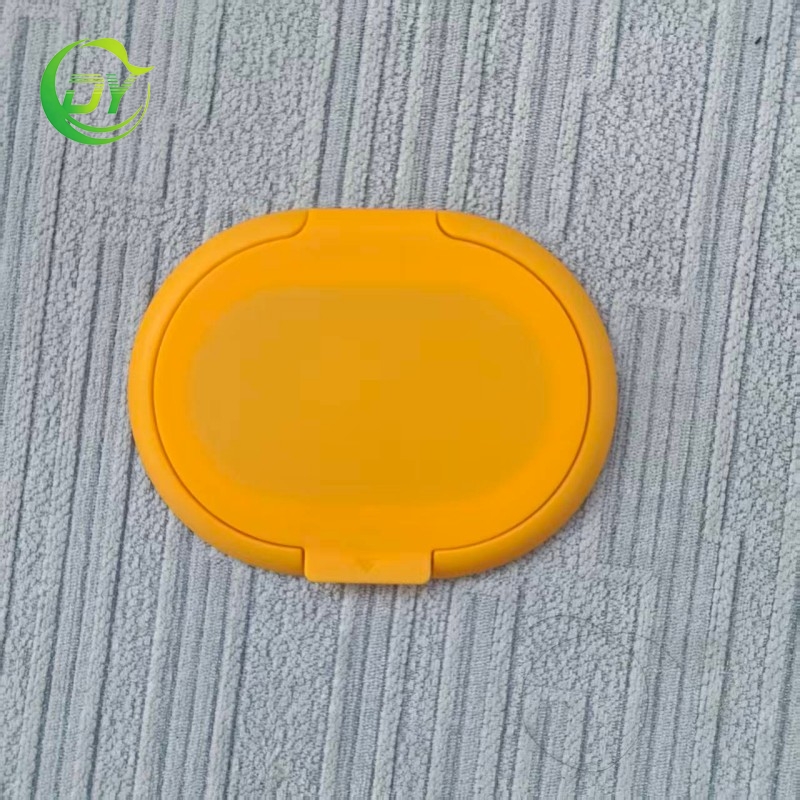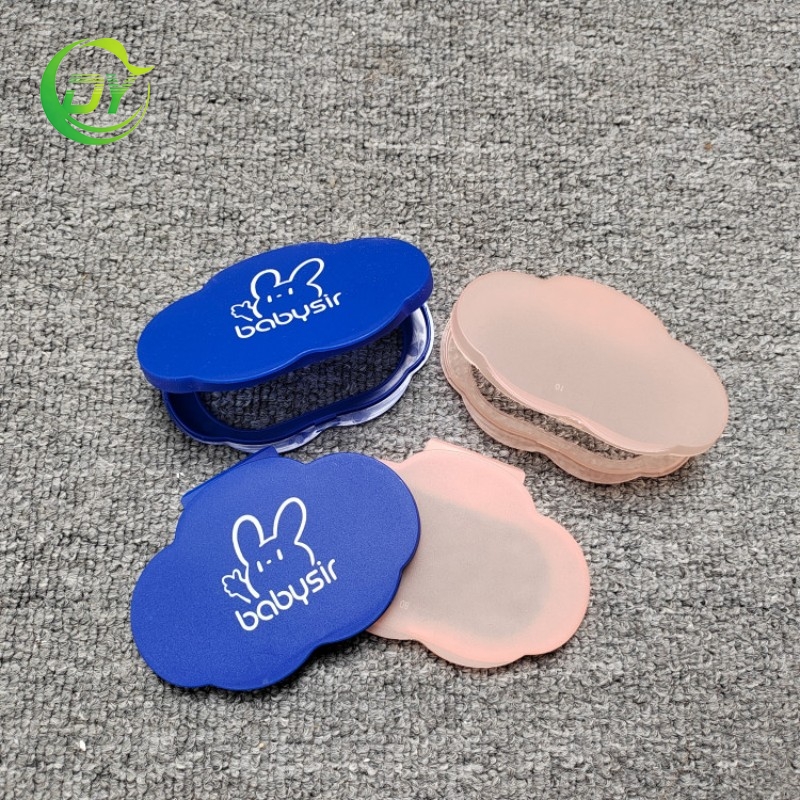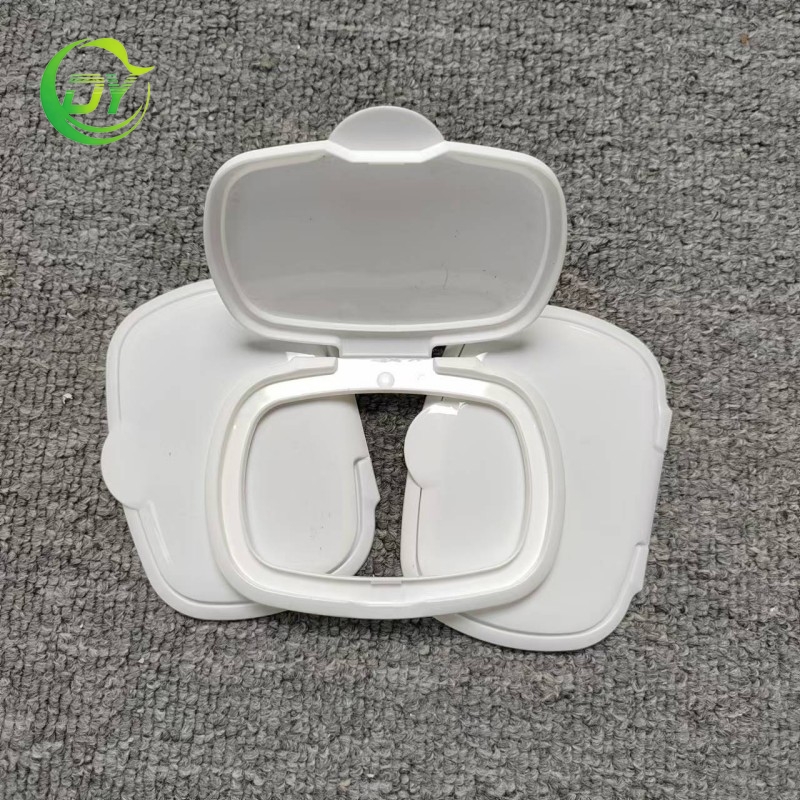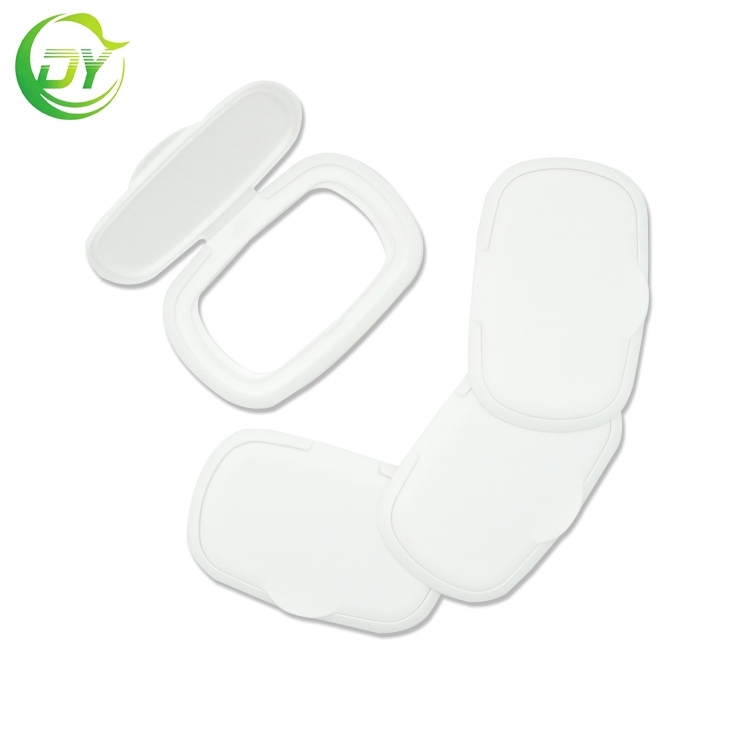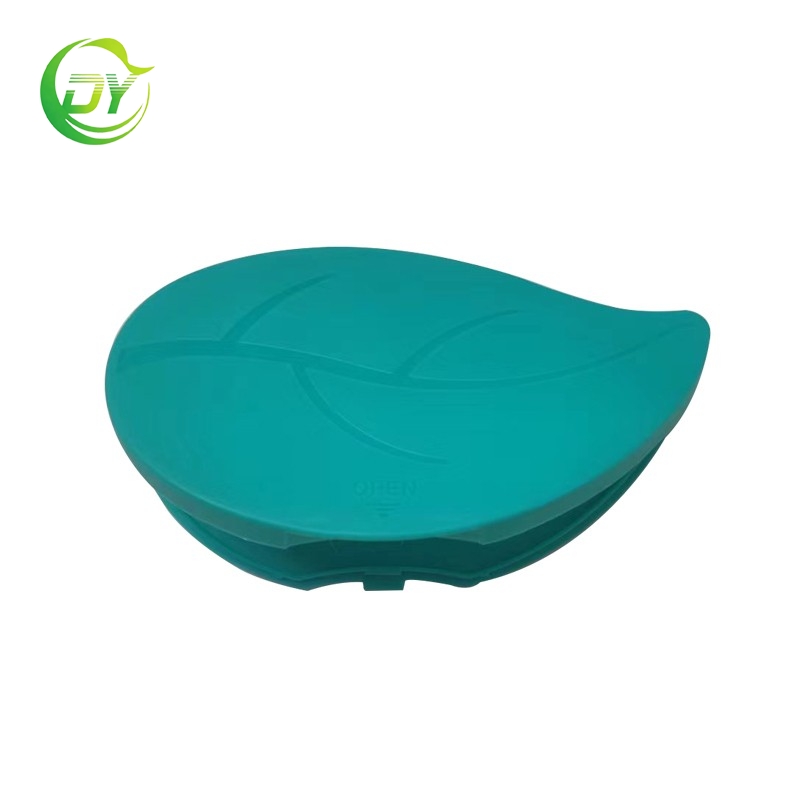
For consumer wet wipes, lid decoration should be selected according to the package positioning, expected handling, logo complexity, production quantity, and surface geometry rather than appearance alone. Matte, gloss, embossed and printed finishes can all work, but the practical choice depends on whether the buyer prioritizes premium appearance, brand visibility, tactile differentiation, or production simplicity. The safest procurement process is to approve decoration on a molded production-equivalent sample and evaluate color, adhesion, abrasion, logo clarity and compatibility with the final pouch before mass production. Dongyang provides customized wet wipes lid sizes, shapes, colors and logo treatments through its OEM/ODM service.
The lid is one of the most visible rigid components on a soft wet wipes package.
Consumers repeatedly touch the lid when opening and closing the package, which means the surface can influence both shelf appearance and perceived product quality.
For brands, decoration also needs to survive manufacturing, transportation and repeated consumer handling.
A logo that looks excellent on a computer screen may become less readable after molding, printing, abrasion or exposure to moisture.
Therefore, lid decoration should be treated as a packaging engineering decision, not only a graphic-design decision.
| Finish | Main characteristic | Suitable positioning | Main limitation |
|---|---|---|---|
| Gloss | Smooth, reflective appearance | Mass retail, colorful consumer packs | Fingerprints and scratches may be more visible |
| Matte | Low-reflection surface | Premium, personal-care or minimalist brands | Some fine graphics may appear less vivid |
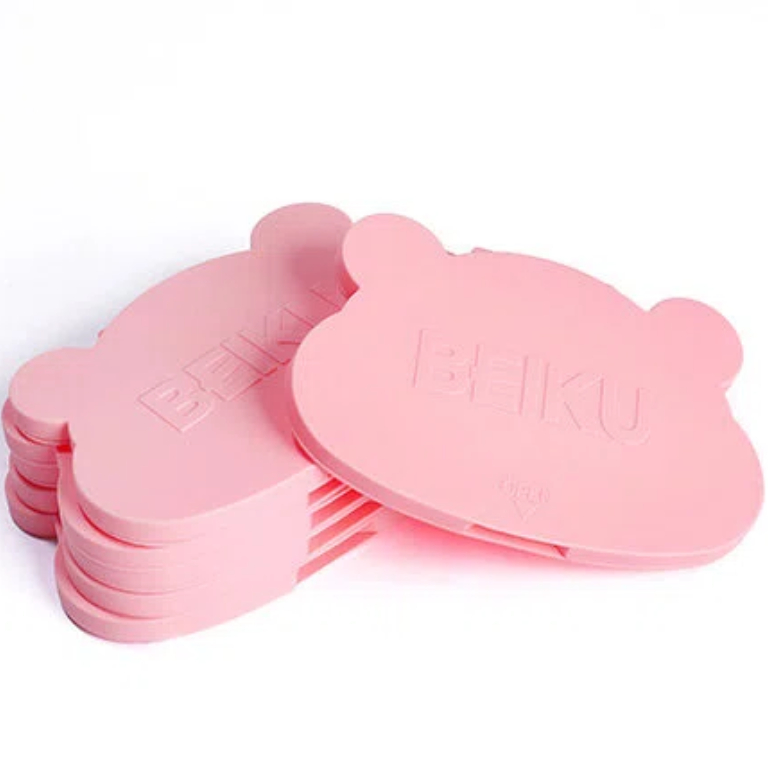
| Embossed | Raised or recessed tactile effect | Brand differentiation | Requires suitable mold/detail design |
| Printed | Flexible graphic/logo presentation | Detailed branding | Ink adhesion and abrasion must be tested |
| Plain molded color | Simple and efficient | High-volume or cost-sensitive products | Less visual differentiation |
No finish should automatically be considered superior.
A household cleaning wipes brand may prioritize durability and production efficiency, while a facial-wipe brand may place greater value on tactile appearance and color consistency.
Not always.
If the functional geometry remains unchanged, some appearance changes may be possible through:
Resin color
Surface texture
Printing
Logo treatment
Embossed details
Decorative processes
However, a new surface texture or embossed structure may require mold modification or a dedicated mold.
Before approving tooling, ask the supplier whether the requested appearance change affects the actual mold geometry.
This distinction is important because a seemingly small branding request can create unexpected tooling costs.
The same logo can appear differently on matte and gloss surfaces.
Gloss surfaces generally provide stronger visual contrast when the color combination is appropriate. Matte surfaces can create a softer appearance and reduce reflections under retail lighting.
Embossed logos add a tactile element, but small details may become difficult to reproduce if the artwork is too fine.
For procurement, the artwork should therefore be evaluated at the actual molded lid size, not only as a digital rendering.
A professional artwork specification should include:
Logo dimensions
Logo position
Color reference
Print direction
Surface finish
Maximum and minimum line width
Required registration accuracy
Barcode or QR code requirements
Artwork file format
Acceptable color variation
Packaging orientation
Vector artwork such as AI or EPS is generally preferable for production preparation because it allows the supplier to work with scalable graphic elements.
The buyer should also provide an approved color reference rather than relying only on a monitor display.
For many consumer wet wipes, custom color can provide strong brand differentiation without requiring a completely new functional structure.
This can be commercially useful when a brand has several product variants.
For example, one standard lid structure could potentially be produced in different approved colors for:
Baby wipes
Facial wipes
Makeup-removing wipes
Household wipes
Pet wipes
This approach can reduce functional SKU complexity while maintaining visual differentiation.
Dongyang's customization service includes custom colors, sizes, shapes and logo treatment, making this type of platform-based customization possible.
Printing and embossing solve different branding requirements.
| Feature | Printing | Embossing |
|---|---|---|
| Color | Multiple colors possible | Usually relies on molded material/shadow effect |
| Tactile effect | Limited | Stronger |
| Fine graphics | Generally more flexible | Limited by mold detail |
| Tooling impact | Usually lower | May require mold modification |
| Premium appearance | Depends on execution | Often suitable for tactile branding |
| Variable artwork | Easier to change | Less flexible |
| Repeated handling | Requires adhesion/abrasion testing | Molded feature does not rely on printed ink |
A buyer should not choose solely based on appearance.
For a high-volume product, printing may offer greater artwork flexibility. For a premium product with a simple logo, embossing can provide a more integrated appearance.
The printed sample should be tested under realistic handling conditions.
Check:
Rub the printed area using the agreed test method and determine whether ink transfers, fades or separates.
Wet wipes packaging is exposed to humidity and liquid ingredients. Test whether the decoration remains stable after contact with the actual package environment.
Repeated handling can gradually affect printed surfaces.
Compare production samples against the approved physical reference rather than a screen image.
The decorated lid should be tested after contact with the pouch, adhesive, carton and other packaging components.
These tests should be documented before mass production.
Yes.
A wet wipes formula may contain water, alcohol, surfactants, preservatives, fragrance, oils or other functional ingredients. Some ingredients can affect plastics, coatings, adhesives or decorative layers over time.
For this reason, the supplier should test the actual lid and decoration with the intended wipe formulation when chemical exposure is relevant.
A decoration that passes a dry handling test may not provide the same result after long-term exposure to moisture or formulation ingredients.
A simple molded surface or soft matte appearance can be suitable when the priority is clean appearance and easy handling.
Decoration should avoid unnecessary surface features that could create sharp edges or complicate cleaning.
Personal-care brands often have more freedom to use custom colors, gloss/matte contrast and decorative logos.
The finish should match the pouch artwork rather than being selected independently.
These products often compete strongly through packaging appearance.
A coordinated lid color and pouch design can create a more unified retail presentation. However, decoration should still be tested for repeated handling.
Functional durability may be more important than complex decoration.
The lid should be tested against the actual cleaning formulation and expected storage environment before the decoration method is approved.
For industrial applications, elaborate decoration may provide limited commercial value.
A simple molded color or durable logo can be more practical when the package is exposed to chemicals, warehouses, workshops or frequent transportation.
Visual inspection should cover more than color.
Common issues include:
Color variation
Uneven gloss
Scratches
Flow marks
Sink marks
Flash
Short shots
Black specks
Printing misalignment
Logo distortion
Ink transfer
Embossing defects
Surface contamination
The buyer should establish an approved sample and written defect limits before mass production.
A vague requirement such as “premium appearance” is difficult to inspect consistently.
A better specification identifies the approved color, surface finish, logo location, acceptable defects and inspection method.
The cost impact can come from several different sources.
Special colors may require separate masterbatch preparation or production planning.
Printing adds artwork preparation, setup, ink and inspection requirements.
Embossed designs may require mold modifications or dedicated tooling.
Special textures can affect mold processing and appearance inspection.
Different decorated lids may require separate packaging labels or cartons to prevent product mixing.
Therefore, buyers should compare the total decoration cost, not only the quoted lid unit price.
It can, but the strategy should be controlled.
For example:
Mass-market range: molded color or simple gloss finish.
Premium personal-care range: matte surface with refined logo treatment.
Special edition: custom color or embossed branding.
This creates visual differentiation while maintaining a controlled number of functional lid platforms.
The key is to avoid creating unnecessary combinations of shape, size, color and decoration.
Send the supplier:
Existing lid sample or drawing
Lid dimensions
Required material
Target color reference
Logo artwork
Preferred finish
Printing or embossing requirement
Expected monthly volume
Packaging application method
Target sales market
Required durability
Wet wipes formula or relevant chemical exposure information
Also request separate pricing for:
Standard molded color
Custom color
Printed logo
Embossed logo
New tooling
Mold modification
Sampling
Mass production
This makes it easier to compare different branding strategies.
The approval process should follow the actual production sequence.
Confirm logo size, position, color and artwork.
Check the actual plastic surface and geometry.
Apply the final decoration method to the production-equivalent lid.
Install the lid on the actual wet wipes pouch.
Open, close, rub and transport the package under representative conditions.
Sign off the approved sample and technical specification before mass production.
This prevents a common problem where the buyer approves a digital rendering but receives a molded product with different visual characteristics.
A packaging supplier should be able to explain whether a design change affects:
Mold structure
Wall geometry
Draft angle
Injection molding
Surface texture
Logo position
Printing area
Packaging application
Production inspection
Dongyang describes its service as covering appearance design, mold development and mass production, which can be useful for buyers developing a customized lid rather than simply purchasing an existing stock model.
Monitor colors can differ from molded plastic.
Better approach: approve a physical sample under defined lighting conditions.
Tiny lines may become unclear after molding or printing.
Better approach: ask the supplier to confirm the minimum reproducible detail before final artwork approval.
Decoration may perform differently when exposed to moisture, fragrance or cleaning chemicals.
Better approach: test the finished package with the actual formula.
Five lid shapes combined with six colors can quickly become a large number of purchasing combinations.
Better approach: standardize functional geometry and control decorative variants.
A low-priced lid may require more inspection, rework or packaging segregation.
Better approach: compare total landed and operational cost.
Yes. Dongyang states that it supports customized colors as part of its OEM/ODM wet wipes lid service. Buyers should provide a Pantone reference or physical color sample and approve the molded result before mass production.
Yes, depending on the lid geometry and mold design. Embossing is most practical when the logo has sufficient line thickness and the buyer wants a permanent molded appearance rather than a printed graphic.
Neither is universally better. Matte can create a restrained, premium appearance, while gloss can provide stronger color intensity and visual impact; the choice should match the pouch design and target market.
It can, but the result depends on the decoration process, plastic surface, ink system and handling conditions. Request abrasion and adhesion testing using the actual production material before approving the design.
Usually not when only the resin color changes and the functional geometry remains unchanged. However, special textures, embossed logos or geometry changes may require mold modification or new tooling.
Yes. This is one way to separate product lines visually while keeping the functional lid platform standardized. The buyer should control color codes, sample approval and production identification to prevent mixed-color shipments.
Provide the lid drawing or sample, pouch dimensions, opening size, material preference, logo artwork, color reference, desired finish, expected order volume and target market. If possible, also provide the actual pouch and wipe sample so the supplier can evaluate the complete packaging system.
For most wet wipes brands, decoration should be developed after the functional lid structure is confirmed. Start with the existing lid platform, then compare molded color, matte/gloss surface, printing and embossing according to brand positioning and production volume.
For OEM projects, Dongyang's customization service can support custom dimensions, shapes, colors and logo treatment. Ask for a physical production-equivalent sample and approve the decoration together with the actual wet wipes pouch before placing a large order.