News
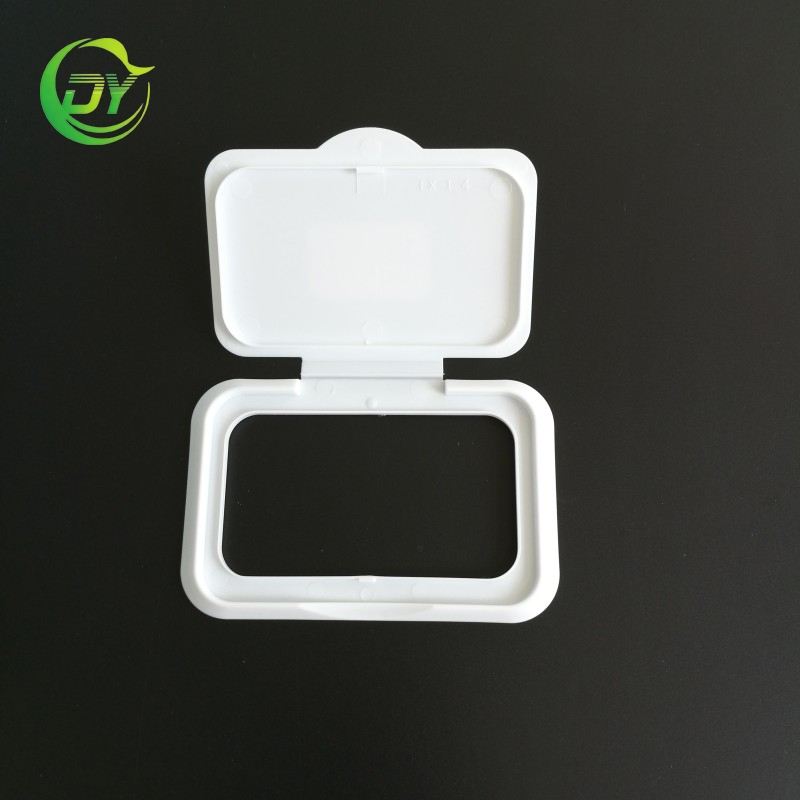
A custom wet wipe lid should not be designed only around appearance. For wet wipes manufacturers, private-label brands and packaging procurement teams, the lid must work with the actual pouch dimensions, dispensing opening, wipe format, adhesive system and production line.
Successful OEM and ODM development therefore starts with the package structure and functional requirements before moving to color, logo or decorative design.
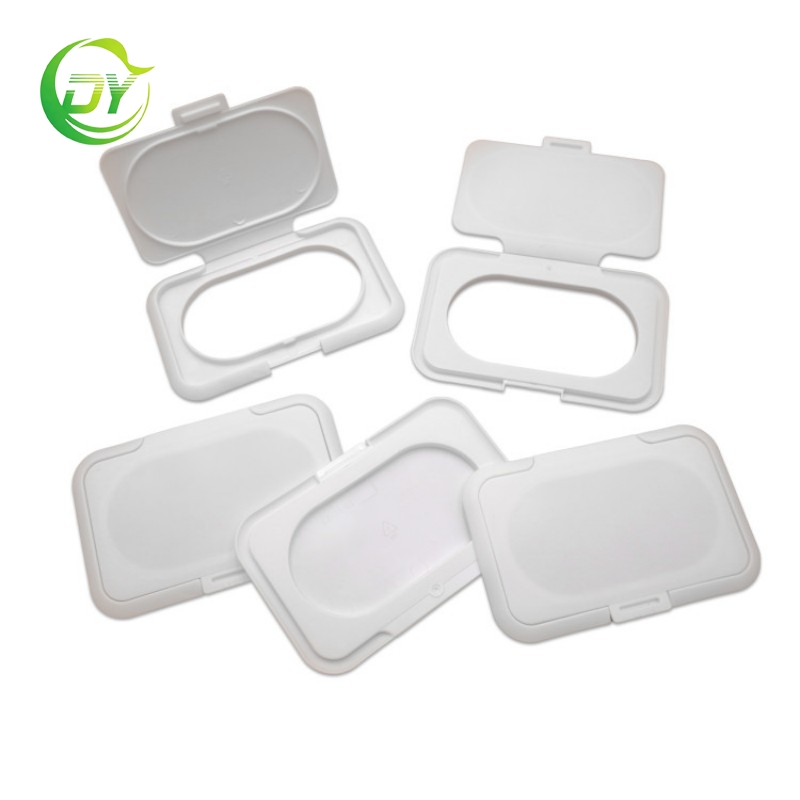
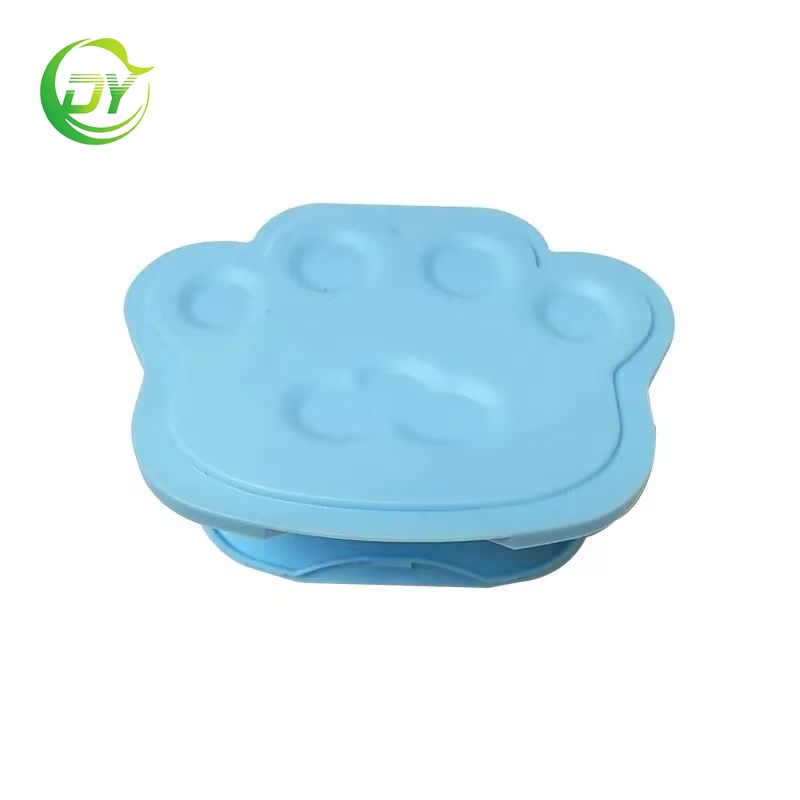
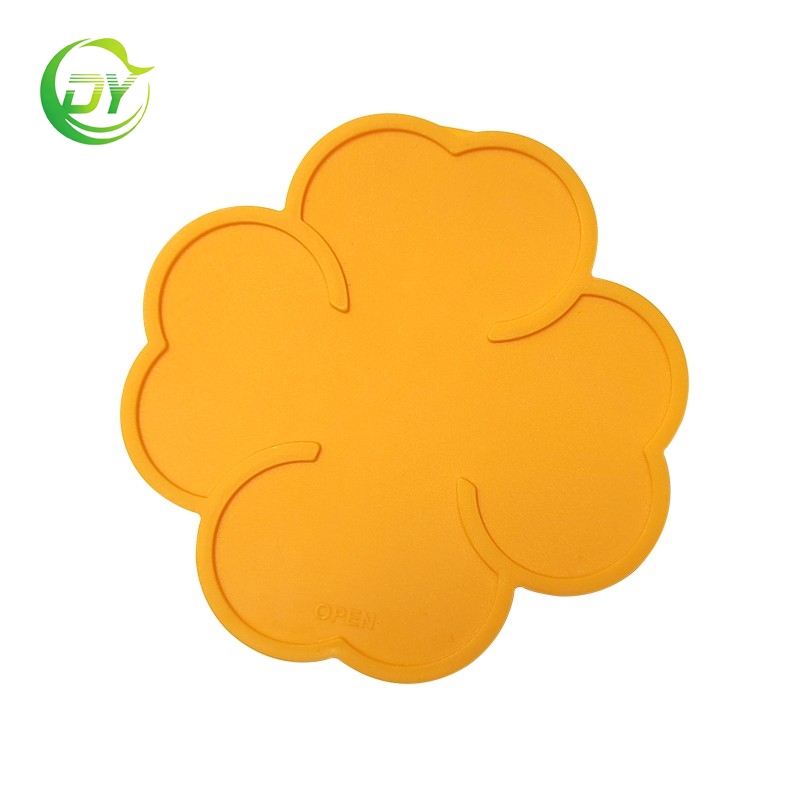
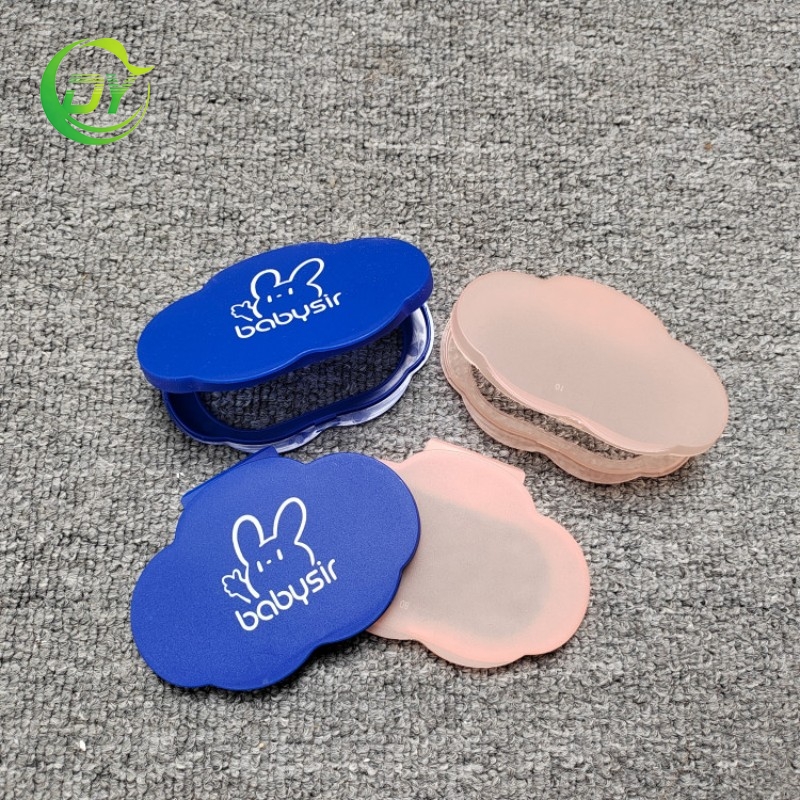
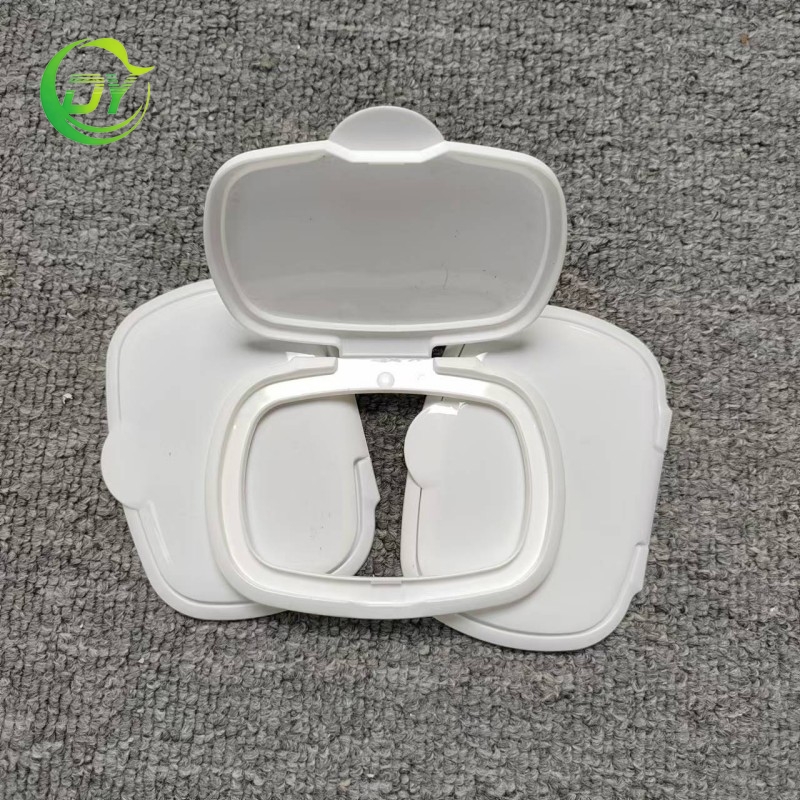
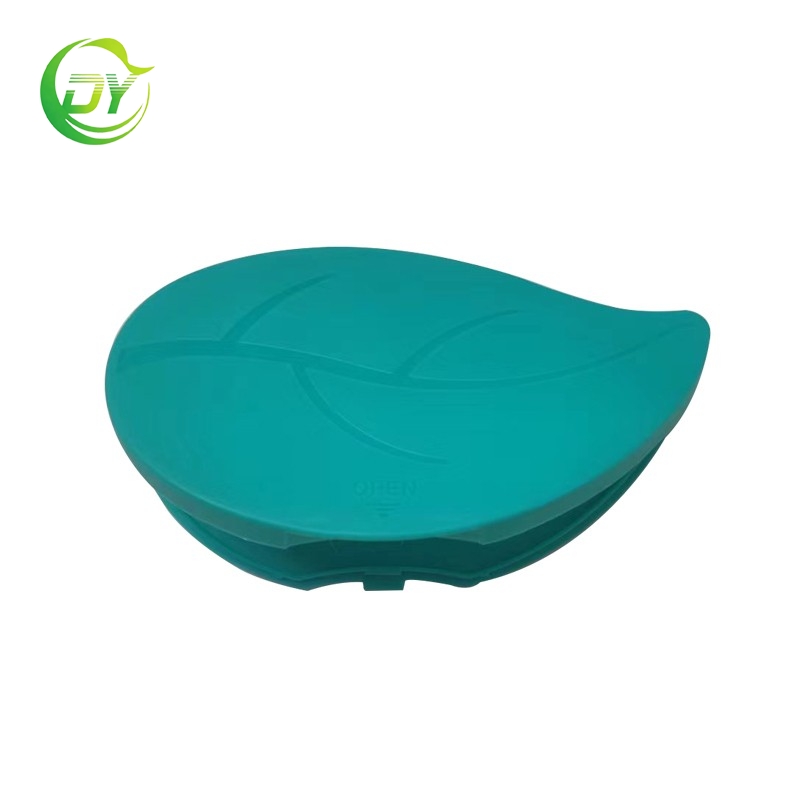
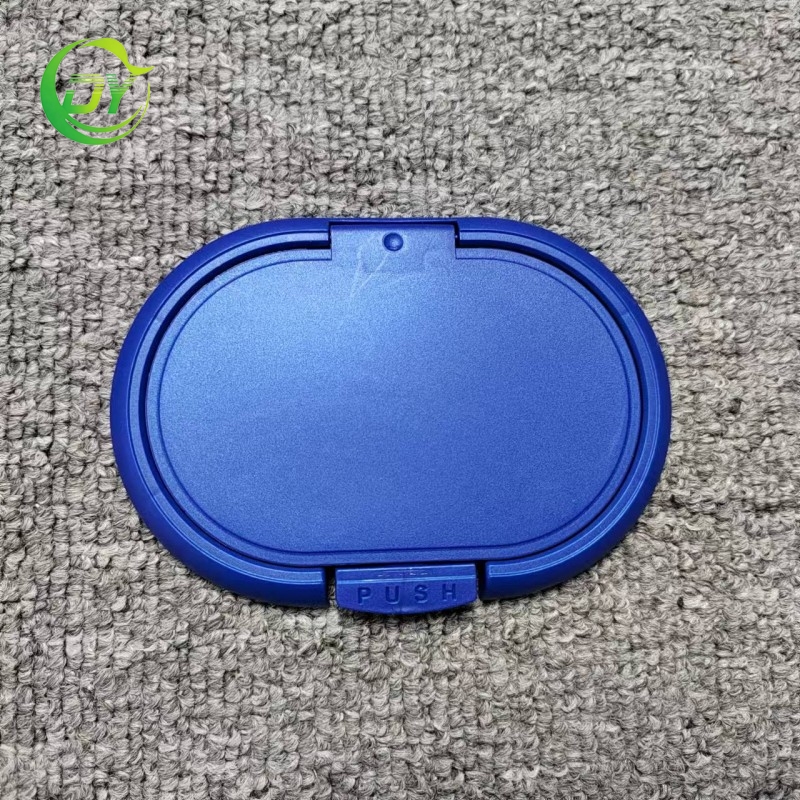
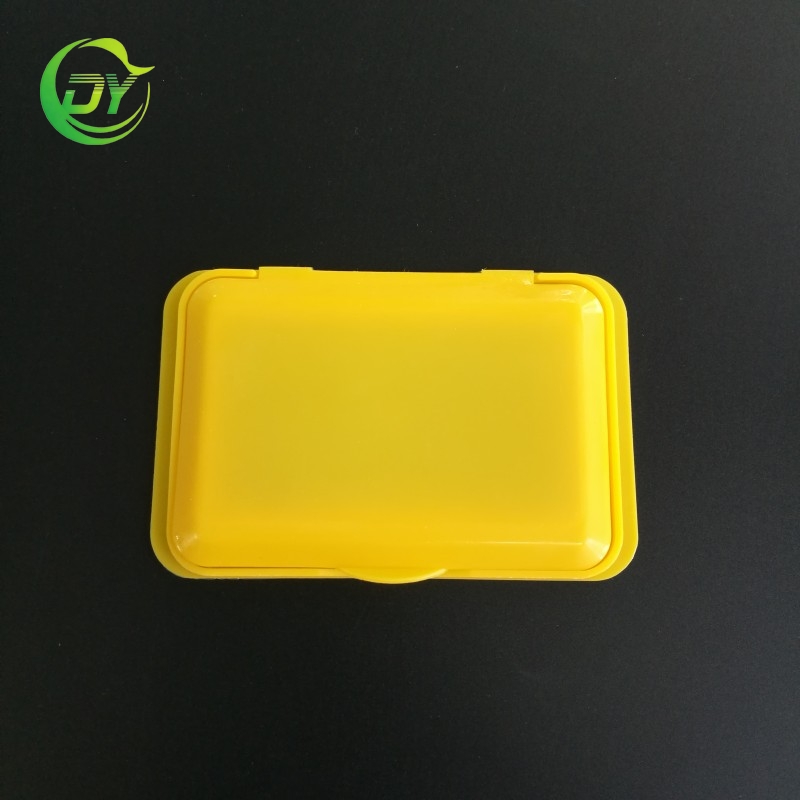
Dongyang currently supports customized wet wipes lid size and shape, logo engraving or marking, adhesive-base development, PP / ABS / TPE material options, surface finishes and full OEM/ODM development from design through mold development and mass production.
| Customization Item | Design Options | Why It Matters |
|---|---|---|
| Overall Size | Length, width, height and footprint | Must fit the pouch without interfering with seals, artwork or pack edges. |
| Dispensing Opening | Opening dimensions and internal geometry | Affects wipe dispensing and usability. |
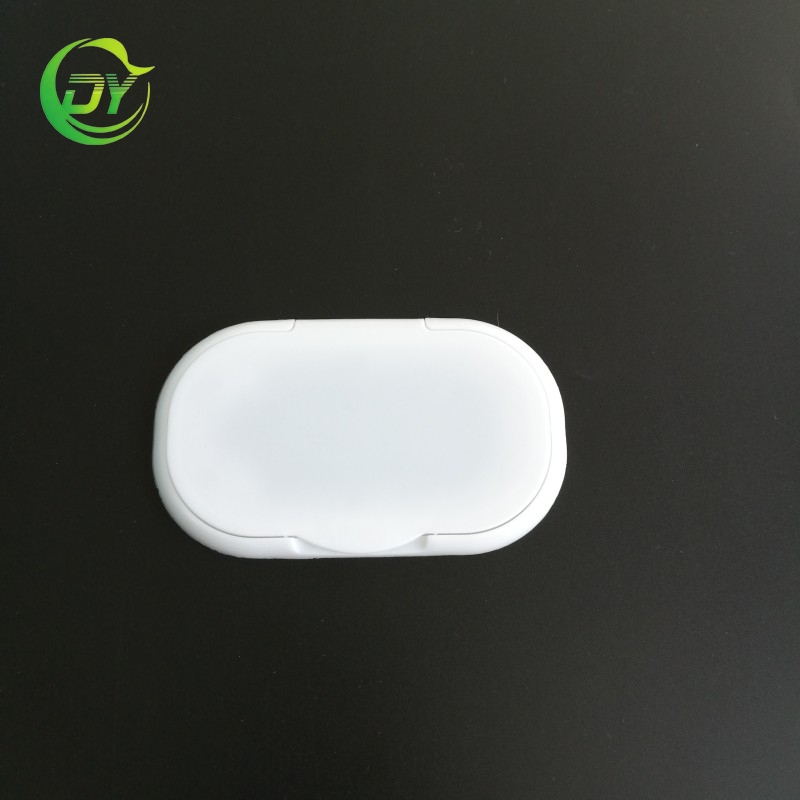
| External Shape | Oval, rectangular, square, decorative or proprietary shape | Supports package fit and brand differentiation. |
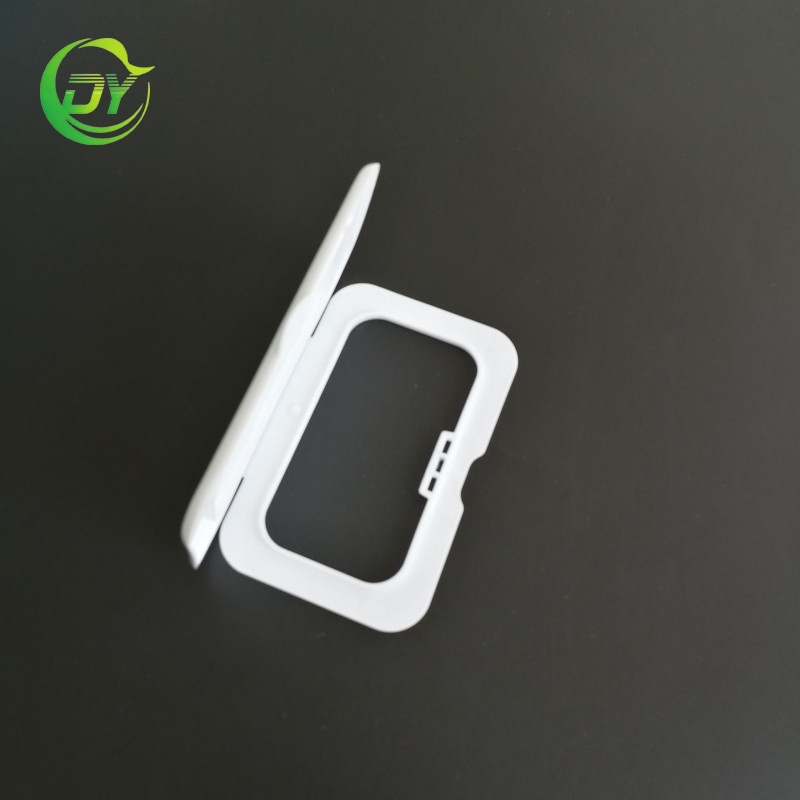
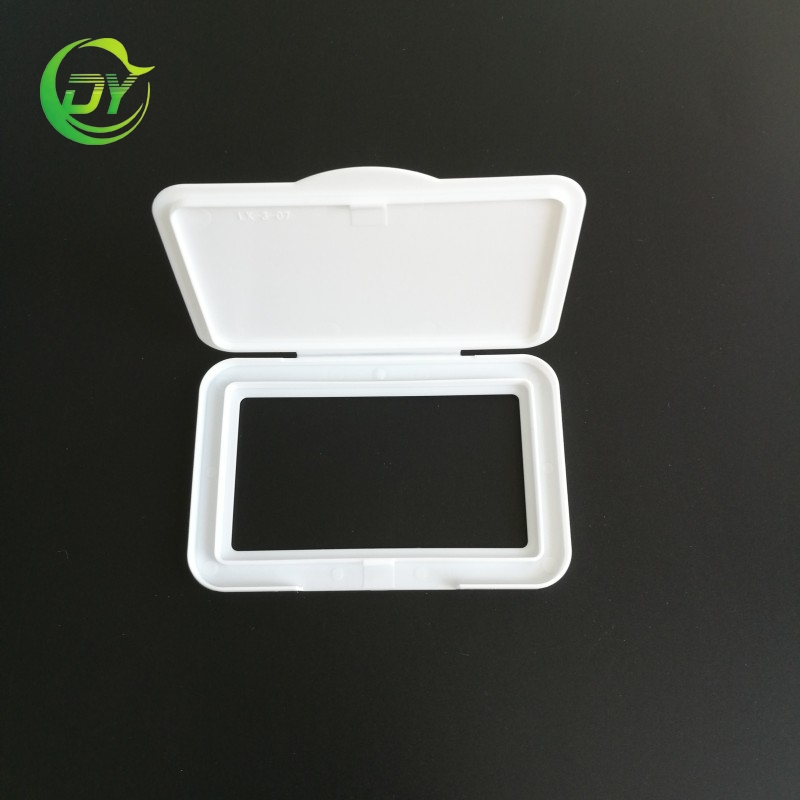
| Closure Structure | Flip-top, snap-on, open-frame or custom structure | Controls opening, closing and repeated-use behavior. |
| Hinge | Living-hinge thickness, width and opening angle | Directly affects cycle life and user experience. |
| Material | PP / ABS / TPE components depending on structure | Influences stiffness, flexibility, appearance and molding. |
| Color | Standard or brand-specific color | Supports product-line and brand consistency. |
| Logo & Branding | Engraving, marking, molded branding or selected printing methods | Creates a distinctive private-label package. |
| Surface Finish | Glossy, matte, textured, painted or other custom finish | Influences appearance, feel and shelf presentation. |
| Adhesive Base | Bonding area, base geometry and adhesive compatibility | Determines how reliably the lid attaches to the pouch. |
A custom lid should not be designed independently and then forced onto an existing pouch. Start with the finished pack dimensions and define the space available for the lid.
The lid footprint needs enough bonding area around the dispensing opening while staying clear of pouch seals, printed information and other package features.
Custom wet wipe lid drawings should define more than overall length and width. The manufacturer and buyer should agree on all critical dimensions that affect assembly and function.
| Dimension | What to Confirm |
|---|---|
| Overall Length & Width | Maximum external footprint on the pouch. |
| Total Height | Influences stacking, carton packing and shelf profile. |
| Dispensing Opening | Must work with actual wipe width, fold and dispensing behavior. |
| Adhesive Contact Area | Provides the bonding surface between lid and pouch. |
| Wall Thickness | Influences stiffness, material consumption and molding stability. |
| Hinge Thickness | Affects repeated flexing and cycle life. |
| Snap / Lock Dimensions | Determines opening force, closing force and retention. |
For projects requiring detailed engineering drawings, see OEM Wet Wipes Lid Specifications: What Should Be Included in a Product Drawing?
The outside lid shape may attract attention, but the internal dispensing opening has a greater influence on how the package actually works.
A dispensing opening that is too small can make wipes difficult to pull, increase tearing or pull multiple wipes at once. An unnecessarily large opening may expose more of the package interior when the lid is open.
| Wipe Parameter | Why It Matters |
|---|---|
| Wipe Width | Determines the minimum practical dispensing opening. |
| Wipe Thickness | Thicker materials can require greater clearance. |
| Fold Type | Interfolded wipes behave differently from stacked wipes. |
| Pull Force | Affects one-at-a-time dispensing and user convenience. |
The closure mechanism should be selected according to consumer use, pack positioning and expected opening frequency.
| Closure Type | Main Characteristics | Typical Direction |
|---|---|---|
| Flip-Top | One-piece hinged cap designed for repeated opening. | Baby wipes, personal care, household and other frequently opened consumer packs. |
| Snap-On | Simpler closure structure depending on package design. | Selected economy, household or industrial packaging formats. |
| Open-Frame | Rigid frame surrounding the dispensing opening. | Packages that use another resealing element or special dispensing structure. |
| Custom ODM Structure | Proprietary opening, hinge, latch or appearance. | Brands requiring differentiated packaging. |
For a one-piece flip-top wet wipes lid, hinge and snap design determine whether the closure remains convenient after repeated use.
The hinge needs enough flexibility to survive repeated opening, while the main lid body needs enough stiffness to maintain the closure geometry.
Material should be selected after the functional structure has been defined.
| Material Direction | Typical Role | Design Consideration |
|---|---|---|
| PP | Main rigid lid body and living-hinge designs. | Useful balance of stiffness, moldability and hinge performance. |
| ABS | Selected rigid decorative or custom components. | Evaluate appearance, rigidity and compatibility with the final design. |
| TPE | Selected soft or sealing components. | Useful when a softer functional element is required. |
For a deeper material comparison, see PP vs PE Wet Wipes Lids: Which Material Is Better?