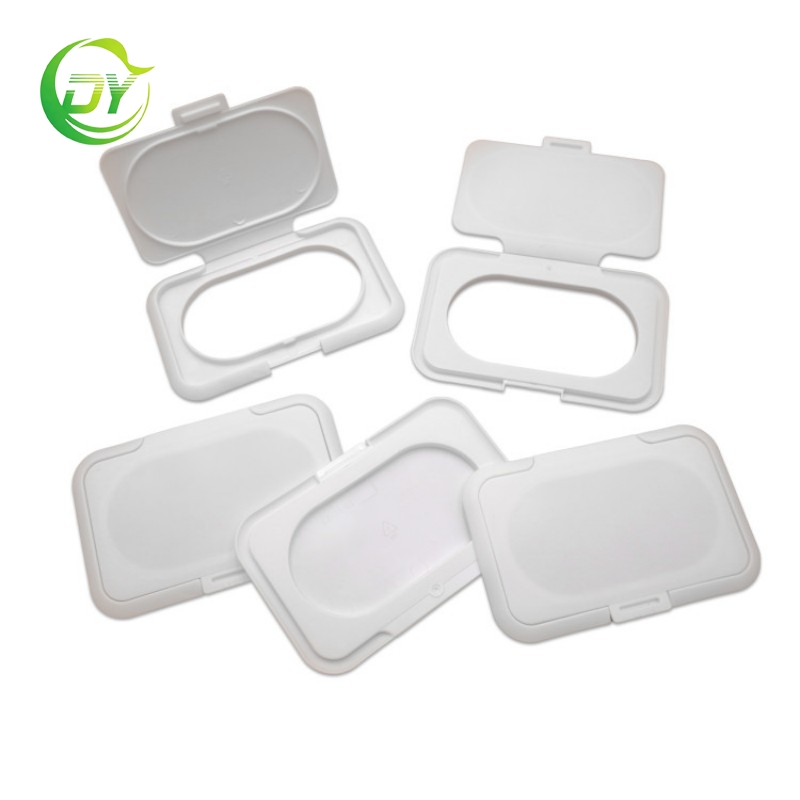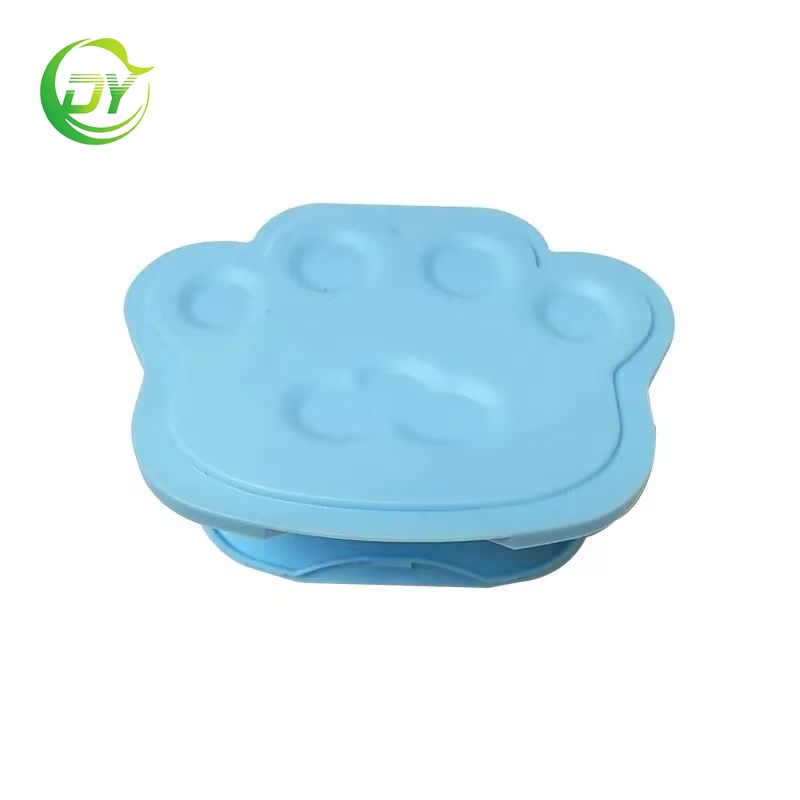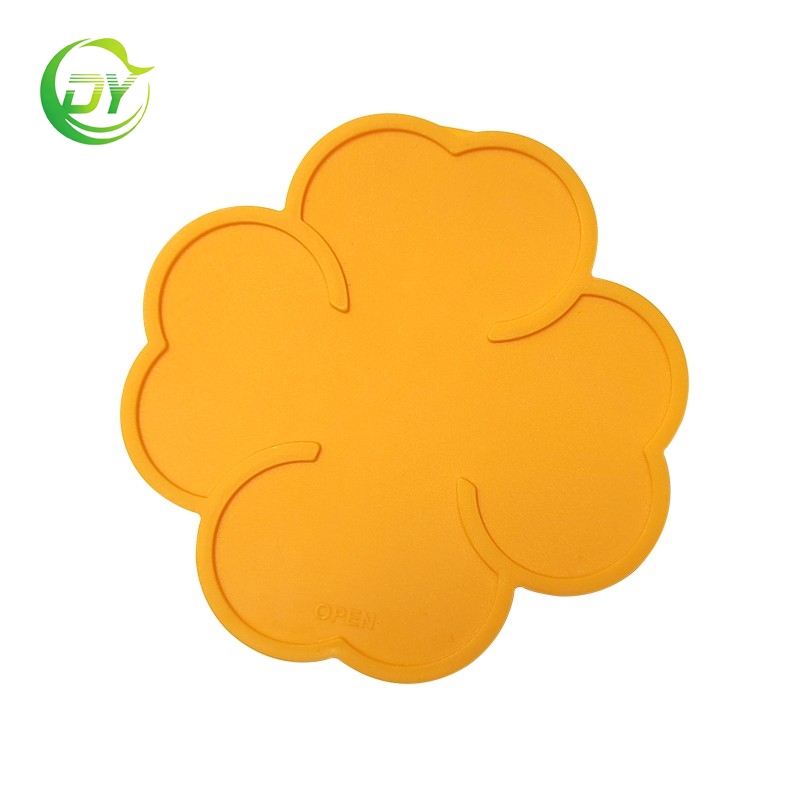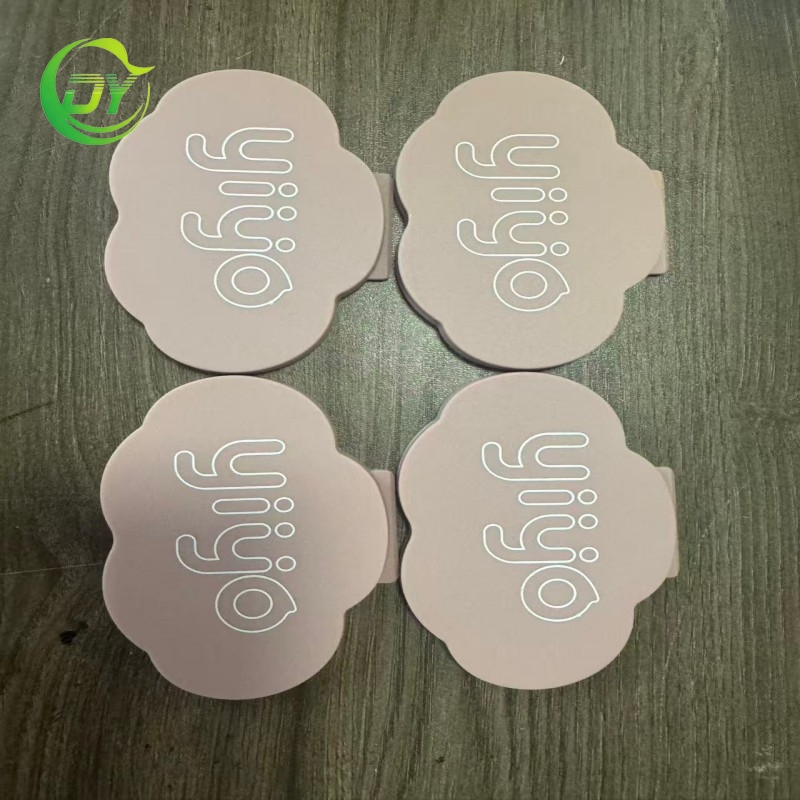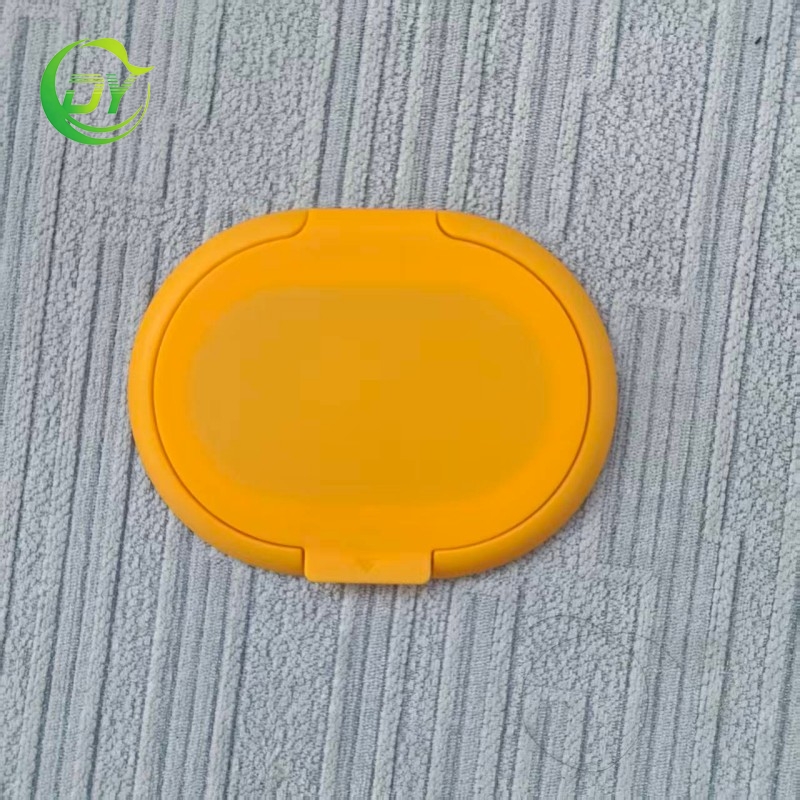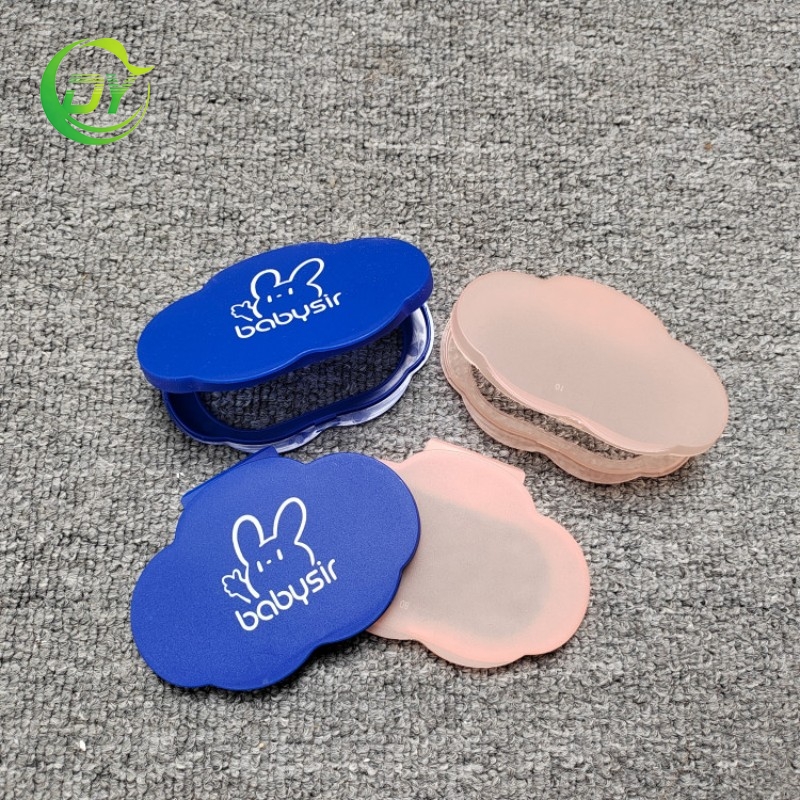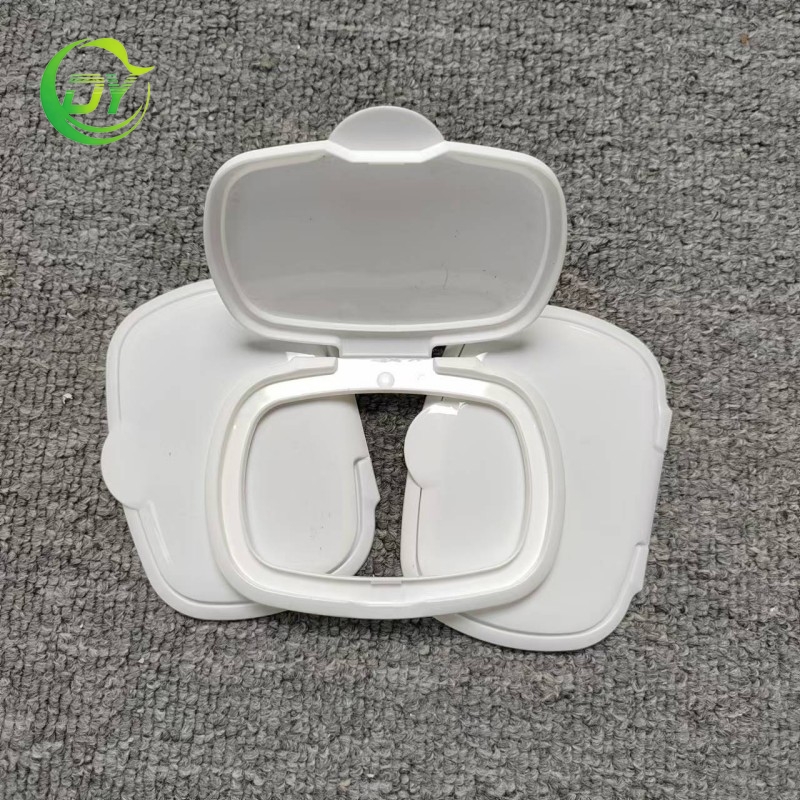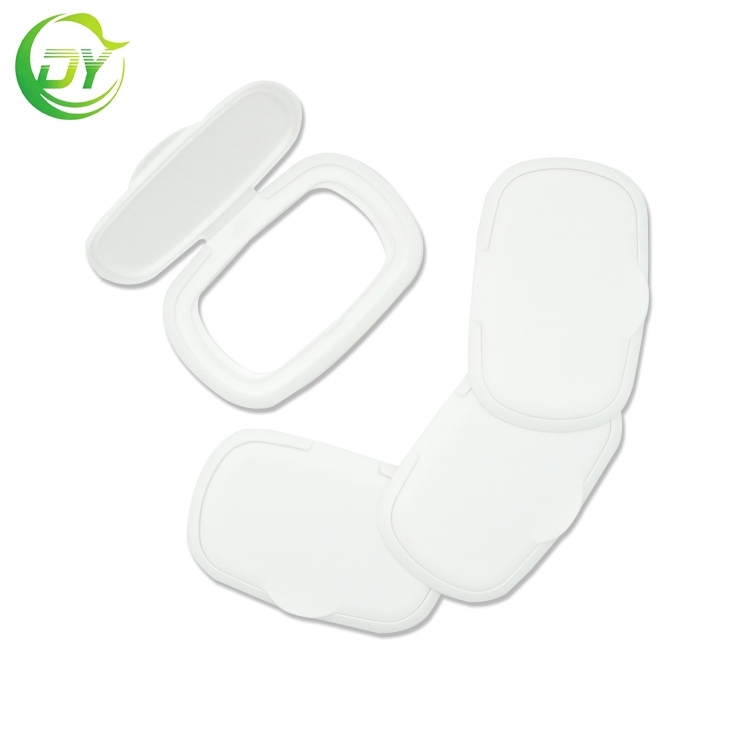
When sourcing a wet wipes lid, one of the first purchasing decisions is whether to use an existing standard lid or develop a customized solution.
The answer should not be based only on appearance. A standard lid can reduce tooling investment, development time and production risk when an existing size already fits the pouch. A custom wet wipes lid becomes more valuable when the package requires unique dimensions, a different dispensing opening, proprietary branding, special adhesive conditions or a closure structure that cannot be achieved with an existing mold.
For many projects, there is also a third option between these two extremes: use an existing mold but customize the color, logo, adhesive system or surface treatment. This can provide brand differentiation without developing a completely new lid.
| Option | What Changes? | Tooling Requirement | Best For |
|---|---|---|---|
| Standard Lid | Existing size, opening, hinge, shape and mold are used. | Normally no new lid mold is required. | Fast launches, established pouch formats and cost-controlled programs. |
| Semi-Custom Lid | Existing structure with customized color, logo, surface appearance or adhesive solution. | Existing mold may still be used, depending on branding requirements. | Private-label brands that need differentiation without full structural development. |
| Fully Custom Lid | Dimensions, opening, shape, hinge, snap, surface and structural features can be redesigned. | New mold or substantial tooling modification may be required. | Unique pouch formats, long-term branded programs and proprietary packaging designs. |
A standard wet wipes lid is manufactured from an existing mold with predefined dimensions, dispensing opening, hinge structure and closing mechanism.
The main advantage is that the supplier already has an established product specification. This can simplify sampling, quoting and production planning.
Standard lids are usually suitable when:
A custom wet wipes lid is developed around specific packaging, functional or brand requirements rather than simply selecting an existing catalog model.
Depending on the project, customization may include:
| Factor | Standard Lid | Custom Lid | Purchasing Impact |
|---|---|---|---|
| Tooling | Existing mold normally used. | May require new tooling. | Custom projects have higher initial development investment. |
| Development Time | Shorter when an existing product fits. | Includes design, mold development, trials and approval. | Standard is usually better for urgent launches. |
| Dimensions | Limited to existing mold sizes. | Can be developed around the package. | Custom may be required for unusual pouch dimensions. |
| Opening Geometry | Fixed by existing mold. | Can be matched to wipe size and dispensing requirements. | Important for large, thick or unusual folded wipes. |
| Branding | Usually more limited. | Greater freedom for proprietary identity. | Custom is more useful when packaging differentiation matters. |
| MOQ Flexibility | Often more flexible because tooling already exists. | May require a larger commercial commitment. | Confirm actual MOQ during quotation. |
| Production Risk | Lower when the specification already has production history. | Requires complete mold and line validation. | Pilot production is more important for new designs. |
| Best Use Case | Common packaging and speed-focused projects. | Unique packaging or long-term branded programs. | Choose according to actual commercial value. |
A standard lid is usually the more efficient option when the package does not require a proprietary closure.
Consider a standard lid when:
A custom lid makes more sense when the additional engineering work solves a real commercial or functional requirement.
| Project Situation | Why Customization May Be Justified |
|---|---|
| Unique Pouch Dimensions | Existing lid footprints do not fit the package layout. |
| Special Wipe Format | A different opening is required for wipe thickness, folding or dispensing behavior. |
| Premium Retail Positioning | Packaging identity is an important part of product differentiation. |
| High Repeat Volume | Tooling investment can be distributed across long-term production. |
| Special Adhesive Area | The pouch requires a different bonding footprint or base geometry. |
| Proprietary Brand Design | An exclusive shape, molded identity or structural feature is required. |
Dongyang can first compare your pouch dimensions, dispensing opening, wipe count, film structure and branding requirements with its existing wet wipes lid range. If a standard or semi-custom lid already meets the requirement, unnecessary tooling can be avoided. If not, an OEM/ODM custom lid can be developed around the package.
One of the most important questions in a custom wet wipes lid project is whether the desired result actually requires new tooling.
There are several levels of customization:
| Customization Requirement | May Existing Mold Work? | Typical Development Direction |
|---|---|---|
| Custom Color | Often yes. | Color matching and masterbatch approval. |
| Logo / Branding | Possibly, depending on decoration method. | Marking, engraving, printing or insert modification. |
| Different Adhesive | Often yes if the base geometry remains suitable. | Film and adhesive compatibility testing. |
| Different Overall Size | Usually not if dimensions change substantially. | New or modified tooling. |
| Different Opening | Depends on mold construction and degree of change. | Engineering review before tooling decision. |
| New Shape / Hinge / Snap | Generally requires structural tooling development. | Full ODM design and mold development. |
The lowest unit price does not always represent the lowest total packaging cost.
For a custom project, evaluate:
A custom lid may become commercially reasonable for a stable, repeat-volume product even if the first order carries additional development cost. For a trial launch or low-volume project, using an existing mold may provide a better balance between cost and risk.
There is no single universal MOQ that applies to every standard or custom wet wipes lid.
MOQ can depend on:
Before developing a new mold, provide both the initial order quantity and expected annual demand. This allows the supplier to evaluate whether a new custom structure is commercially justified or whether an existing mold can achieve the same purchasing objective more efficiently.
Standard lids normally have a shorter development route because the mold and product geometry already exist.
| Project Stage | Standard Lid | Custom Lid |
|---|---|---|
| Specification Review | Match pouch against existing models. | Define package, structure and brand requirements. |
| Design | Limited or unnecessary. | 2D/3D design and engineering review. |
| Tooling | Existing mold. | New mold or mold modification may be required. |
| Sampling | Existing sample or new production sample. | Trial mold samples and possible correction rounds. |
| Mass Production | Can start after sample and commercial approval. | Starts after mold, package and production-line validation. |
Actual sampling and production lead time should be confirmed during quotation because it depends on project complexity, tooling status, order quantity and factory scheduling.
A lid that looks excellent in a rendering can still cause production problems if it cannot be fed, oriented, positioned or bonded consistently at line speed.
Standard lids may provide an advantage when the production equipment is already configured around familiar sizes and shapes.
A custom lid should be validated for:
A custom wet wipes lid can be engineered around a particular pouch, but customization alone does not guarantee better moisture retention.
Final performance depends on:
A proven standard lid that matches the pouch may perform better than a new custom design that has not been fully validated.
| Application | Likely Starting Point | Reason |
|---|---|---|
| New Private-Label Product | Standard or semi-custom lid | Reduces upfront risk while allowing branding through color and package graphics. |
| Premium Baby Wipes | Semi-custom or custom | Frequent use, branding and consumer experience may justify additional development. |
| Disinfectant Wipes | Start from functional compatibility | Actual formulation, sealing and adhesive performance are more important than decorative customization. |
| Household Cleaning Wipes | Standard or semi-custom | A robust common lid may provide the best cost/performance balance. |
| Unique Cosmetic Packaging | Custom lid | Appearance and brand differentiation may justify proprietary geometry. |
| Institutional / Industrial Wipes | Standard lid | Function, supply stability and cost often matter more than exclusive appearance. |
Both standard and customized lids should be tested on the final package before a bulk order is released.
1. Confirm the drawing: check overall dimensions, opening, hinge, snap and bonding area.
2. Confirm material and color: approve the actual molded sample rather than screen images.
3. Test on the real pouch: use the intended film, adhesive, opening and filled pack.
4. Test dispensing: use the actual wipe size, count and folding method.
5. Test opening and closing: evaluate hinge, snap force and repeated cycles.
6. Check moisture retention: evaluate the complete assembled package.
7. Run a production-line trial: confirm feeding, positioning and bonding stability.
8. Keep an approved master sample: use it as the mass-production quality reference.
For more detail, see Wet Wipes Lid Sample Approval: Key Dimensions and Performance Checks .
| RFQ Information | What to Provide |
|---|---|
| Wet Wipes Category | Baby, personal care, disinfectant, household, medical/hygiene or industrial. |
| Pouch Dimensions | Finished package length and width. |
| Dispensing Opening | Opening dimensions and location. |
| Wipe Information | Wipe size, thickness, fold and count per pack. |
| Film Structure | Actual pouch material or laminate structure. |
| Preferred Lid | Existing reference model or request supplier recommendation. |
| Customization | Color, logo, finish, opening, dimensions or full custom mold. |
| Production Line | Manual, semi-automatic or automatic application. |
| Initial Order Quantity | Expected first order for quotation and production planning. |
| Annual Demand | Useful for evaluating whether custom tooling is commercially appropriate. |
| Target Launch Date | Helps determine whether standard or custom development fits the schedule. |
Dongyang provides standard wet wipes lids as well as OEM/ODM development covering size, shape, color, logo, adhesive base and custom molding. Send your packaging specification and target order volume to compare a standard, semi-custom or fully custom solution before committing to tooling.
A custom wet wipes lid is not automatically better than a standard lid, and a standard lid is not automatically the lowest-cost solution for every long-term project.
If an existing lid already matches the pouch, wipe format, dispensing requirement and production line, using that standard structure can reduce development time, tooling investment and production risk.
If the existing structure works but the brand needs differentiation, a semi-custom solution such as color, logo or adhesive adjustment may provide the best balance.
A fully custom lid becomes valuable when there is a clear functional or commercial reason to redesign the size, opening, hinge, snap, bonding base or overall package identity.
The most efficient purchasing approach is therefore to evaluate existing molds first, customize only what the package actually requires, and approve the complete wet wipes package before mass production.
```