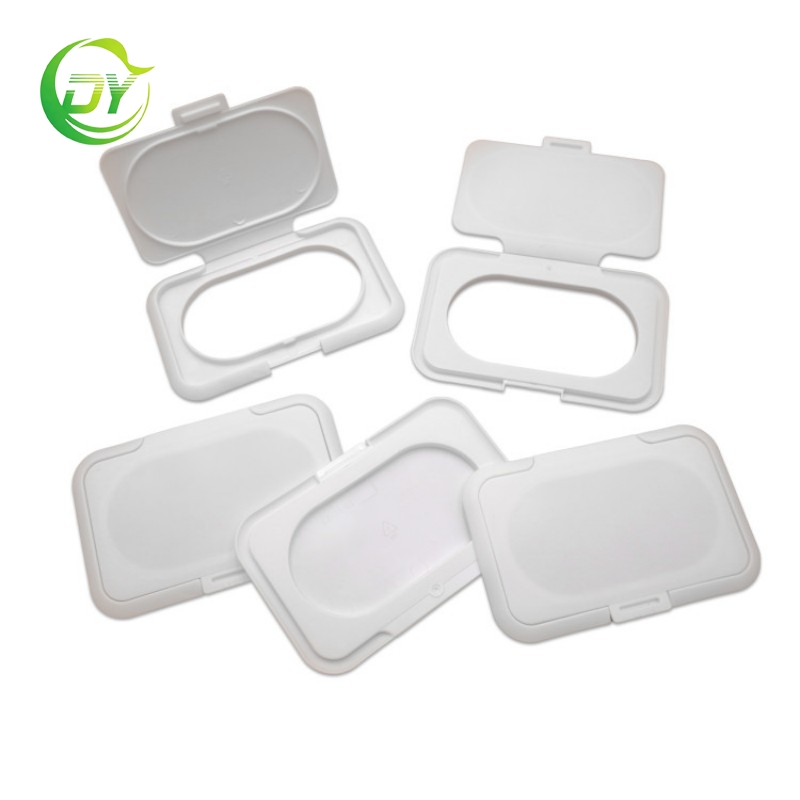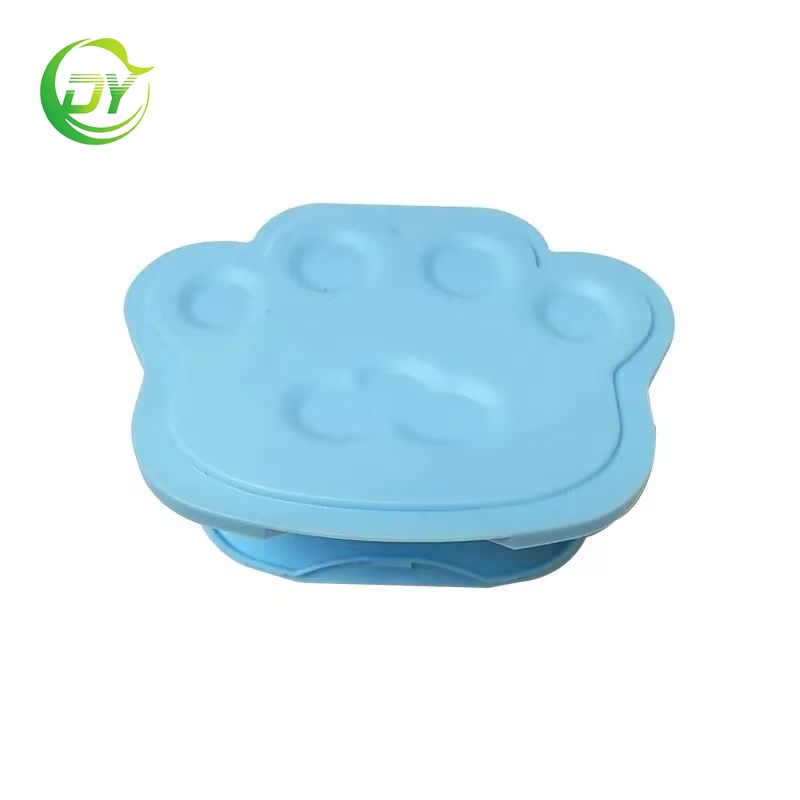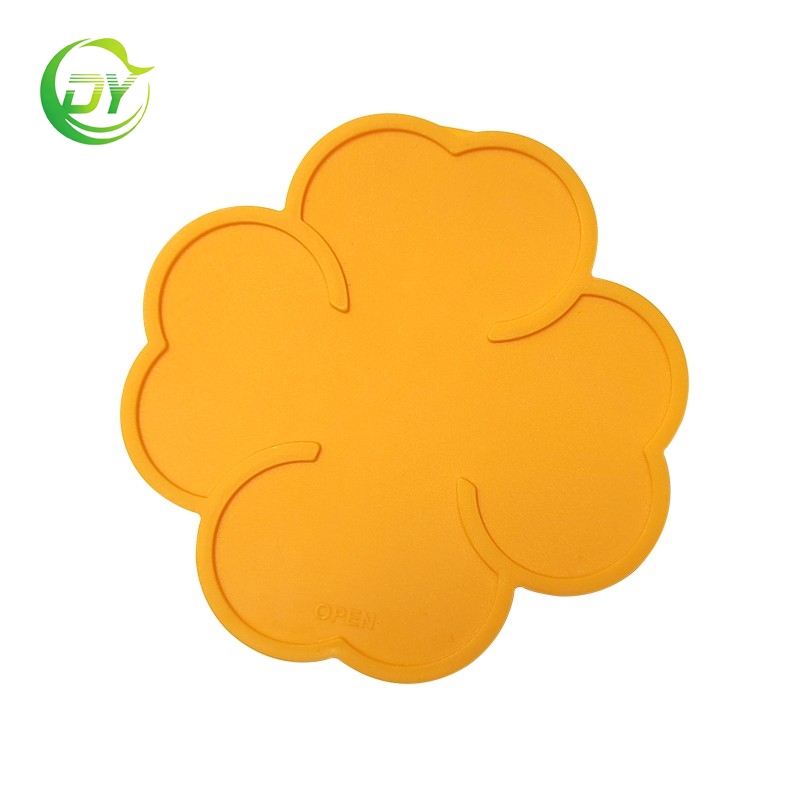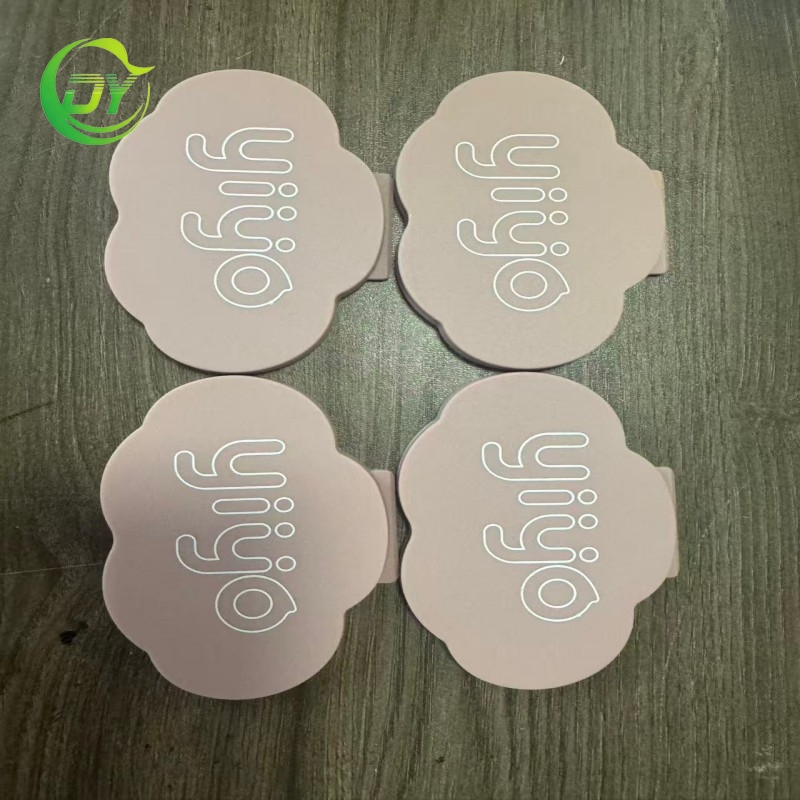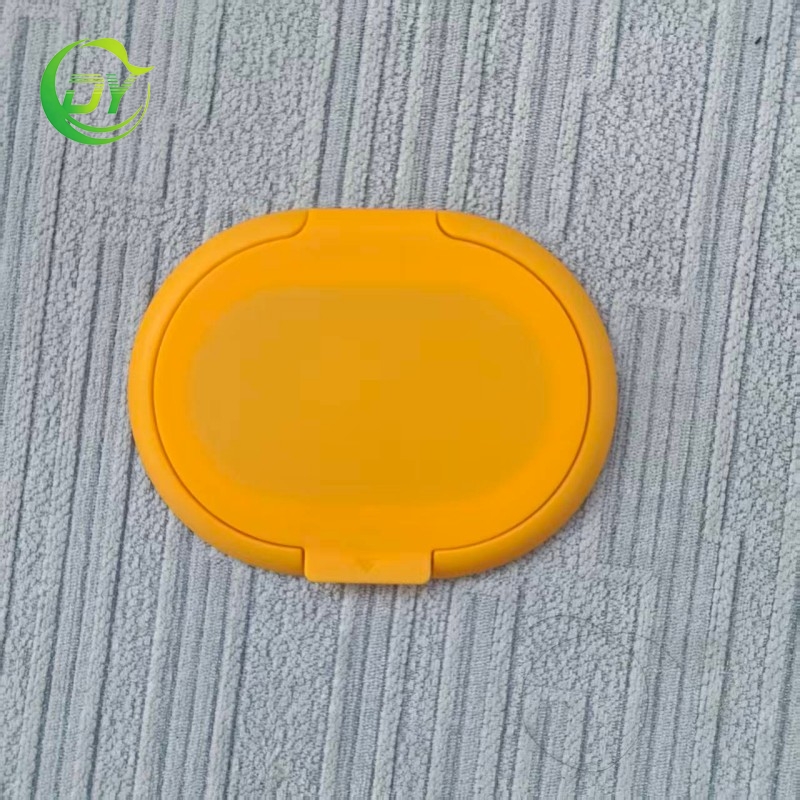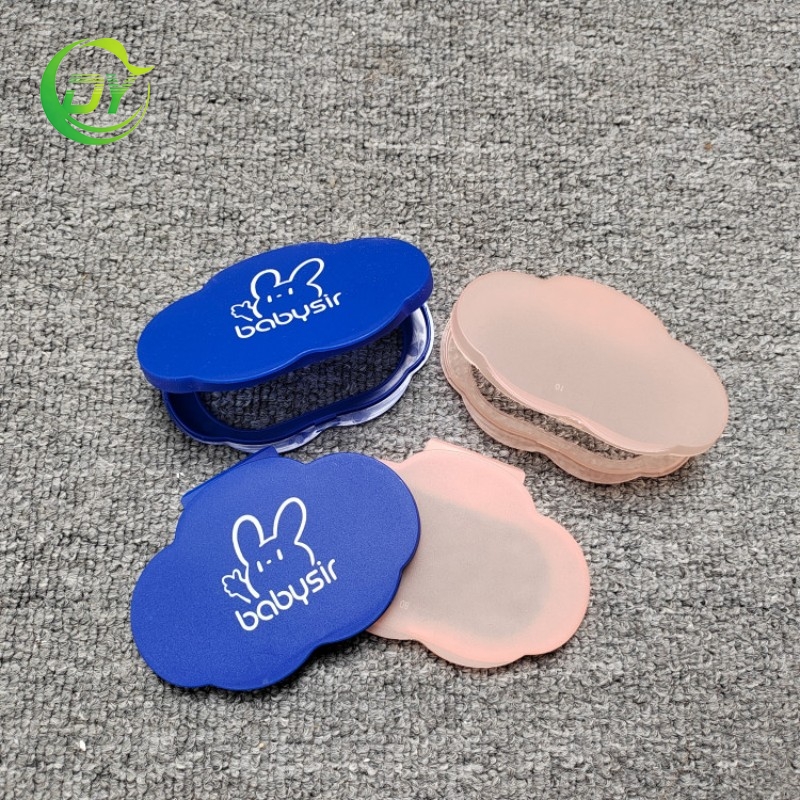
Developing eco-friendly wet wipes packaging involves more than replacing one plastic material with another or adding a recyclable symbol to the pack.
A wet wipes package is a functional system. It needs to retain moisture, protect the wipes during transport, dispense reliably, open and close repeatedly and run efficiently on the packaging line. At the same time, brands are under increasing pressure to reduce unnecessary material, improve recyclability and support clearer end-of-life instructions.
For procurement and packaging teams, the most practical sustainability strategy is therefore to evaluate the lid, flexible pouch, adhesive, label, printing and barrier structure together.
Several different sustainability terms are often used interchangeably, but they describe different packaging strategies.
| Term | What It Means | What Buyers Should Verify |
|---|---|---|
| Recyclable Packaging | Designed so the packaging can enter an appropriate recycling stream under defined conditions. | Target-market collection, sorting and recycling infrastructure. |
| Mono-Material Packaging | Packaging designed primarily around one material family, such as PE or PP. | Compatibility of barriers, adhesives, labels, inks and closures with that recycling stream. |
| Recycled Content | Part of the plastic comes from recycled feedstock rather than entirely virgin resin. | Documented percentage, source, applicable regulations and performance. |
| Material Reduction | Using less packaging material while maintaining required performance. | Strength, flatness, hinge life, transport and moisture-retention testing after lightweighting. |
| Compostable Packaging | Designed to break down under specified composting conditions. | Certification, industrial vs home composting conditions and actual disposal infrastructure. |
| Biobased Plastic | Plastic made partly or fully from renewable biological feedstock. | Biobased does not automatically mean recyclable, biodegradable or compostable. |
For packaging claims, these terms should be used precisely rather than combined into a generic “green” or “environmentally friendly” statement.
Wet wipes packaging has to protect a moisture-rich product for an extended period while still allowing the consumer to repeatedly open the pack.
Any sustainability change therefore needs to preserve several functions:
| Packaging Function | Why It Matters |
|---|---|
| Moisture Barrier | Excessive moisture loss can dry the wipes before or during consumer use. |
| Repeated Closure | The lid needs to remain functional throughout the use of the package. |
| Adhesive Bond | The lid needs to remain attached to the flexible pouch. |
| Mechanical Strength | The package must withstand filling, transport, stacking and consumer handling. |
| Dispensing | The opening should allow one wipe to be removed without excessive tearing or multiple dispensing. |
| Production Efficiency | New materials or structures need to work on the actual packaging line. |
Before redesigning the wet wipes lid, document the complete existing packaging structure.
A useful material audit should include:
| Component | Information to Record |
|---|---|
| Wet Wipes Lid | Polymer, part weight, dimensions, color, decoration and any secondary sealing component. |
| Flexible Pouch | Film layers, polymer family, barrier layers and overall structure. |
| Adhesive | Lamination adhesive, lid adhesive and any pressure-sensitive label adhesive. |
| Label | Label substrate, adhesive and whether it is compatible with the intended recycling stream. |
| Printing | Ink coverage, coatings, metallic effects and decorative layers. |
| Secondary Packaging | Cartons, trays, shrink film and transport materials. |
Once the material structure is known, packaging engineers can identify which changes actually improve compatibility with the intended recycling stream.
Mono-material design aims to keep the major packaging components within the same polymer family where technically possible.
For flexible plastic packaging, design-for-recycling guidance increasingly favors structures based primarily on mono-PE or mono-PP rather than incompatible combinations of several different material families.
The same logic applies to closures: where possible, designers should consider whether the lid, spout or other rigid component can be compatible with the primary recycling stream of the pack.
| Packaging Direction | Design Goal | Important Limitation |
|---|---|---|
| PP-Oriented Structure | Keep major components compatible with a PP recycling stream where practical. | Labels, adhesives, barriers, inks and regional infrastructure still need evaluation. |
| PE-Oriented Structure | Keep major components compatible with a PE flexible-packaging stream where practical. | The rigid closure must still provide the required mechanical performance. |
| Mixed-Material Structure | Use different materials only where needed for functionality. | Material combinations can complicate sorting and recycling. |
Mono-material should therefore be treated as a design direction, not an automatic guarantee that the finished package will be recyclable in every country.
The lid is usually a relatively small part of the package, but its polymer, adhesive, decoration and ability to remain attached to the pouch can affect the recycling design.
For a more sustainable lid specification, consider:
Dongyang's current published customization range is centered on injection-molded PP lids, with ABS and selected TPE components available for project-specific structures. Material selection should therefore begin with the actual package requirement rather than assuming every alternative polymer is already a standard production option.
PP is already widely used for wet wipes lids because it can provide the stiffness, moldability and living-hinge performance needed for many flip-top designs.
From a sustainability perspective, a PP lid can be optimized through several approaches without immediately changing to a completely different material.
| Design Strategy | Potential Benefit | What Must Be Tested |
|---|---|---|
| Reduce Unnecessary Wall Thickness | Reduces resin use and part weight. | Stiffness, impact, warpage, snap and hinge performance. |
| Optimize Rib Structure | Can provide stiffness without simply adding uniform wall thickness. | Molding, shrinkage, flatness and appearance. |
| Use an Existing Mold Where Suitable | Avoids unnecessary tooling when the current specification already works. | Actual pouch fit and package performance. |
| Reduce Decorative Components | Can simplify the material system. | Brand requirements and recycling compatibility. |
| Match the Broader Packaging Strategy | Supports a more coherent recycling design. | Complete package, not the lid alone. |
For more detail on structural lightweighting, see How PP Material Thickness Affects Wet Wipes Lid Strength .
Send Dongyang your current lid specification, pouch structure, dispensing opening, target market and sustainability objective. Existing PP lids can be reviewed first, with OEM/ODM support for size, shape, structure, adhesive base and other package-specific changes where necessary.
Adhesives are easy to overlook because they represent much less visible material than the pouch or lid, but they remain part of the recycling system.
Wet wipes packaging can contain adhesives in:
When developing a mono-material-oriented package, adhesives should be evaluated for compatibility with the intended recycling stream rather than selected only for immediate bond strength.
Dongyang's current OEM/ODM scope includes customized adhesive label bases, allowing the lid bonding structure to be developed around different pouch requirements.
Changing the lid material while ignoring the rest of the package can limit the benefit of a sustainability redesign.
Packaging teams should also review:
| Component | Design Question |
|---|---|
| Label | Is the label material compatible with the package's intended recycling stream? |
| Ink Coverage | Can printing be simplified while maintaining required branding? |
| Metallic Decoration | Is the decorative layer necessary and compatible with sorting and recycling? |
| Painted Lid Surface | Could molded color or another simpler finish achieve the same brand objective? |
| Additional Inserts | Does the functional benefit justify introducing another material? |
Reducing part weight can be one of the most direct ways to lower virgin material use, but the lid cannot simply be made thinner everywhere.
Reducing wall thickness changes:
A lightweighted lid should therefore be compared with the approved original using production-equivalent samples.
Using recycled plastic can reduce demand for virgin resin, but recycled content should be treated as a qualified material change rather than a direct drop-in substitution.
Before introducing recycled content into a wet wipes lid, buyers should confirm:
If recycled-content lids are required for a specific project, availability and technical suitability should be confirmed separately with the supplier rather than assumed from a general sustainability claim.
Compostable and biodegradable materials can sound attractive, but they should not automatically be treated as a better solution for every wet wipes package.
A new compostable material would still need to provide:
Compostability also depends on the certified conditions under which the material is designed to break down. Industrial compostability should not be presented as home compostability unless the relevant certification supports that claim.
One of the biggest risks in an eco-packaging redesign is improving the theoretical end-of-life profile while reducing package performance.
Moisture retention depends on the entire package:
A new recyclable or lightweight structure should therefore undergo the same package validation as the existing design.
For detailed testing considerations, see Moisture Retention in Wet Wipes Packaging: The Role of the Lid .
For brands selling packaged products in the European Union, packaging sustainability is increasingly a compliance issue as well as a brand objective.
The EU Packaging and Packaging Waste Regulation, Regulation (EU) 2025/40, began to apply from 12 August 2026. Its requirements are phased, with major provisions affecting packaging recyclability and recycled plastic content applying from 2030.
For wet wipes packaging projects targeting the EU, procurement teams should therefore begin preparing for requirements related to:
Sustainability claims should be specific enough that the buyer, regulator and consumer can understand what they actually mean.
| Broad Claim | Better Specification |
|---|---|
| “Eco-Friendly Lid” | Explain whether the improvement is material reduction, recyclability design, recycled content or another specific change. |
| “100% Recyclable” | Define the packaging structure and applicable recycling conditions or target market. |
| “Biodegradable” | Specify the applicable standard, environment and required conditions. |
| “Compostable” | State whether certification applies to industrial or home composting. |
| “Made with Recycled Plastic” | State the documented recycled-content percentage where appropriate. |
Instead of asking which material is the “greenest,” compare packaging options across function, end-of-life design and commercial feasibility.
| Option | Potential Sustainability Benefit | Main Validation Requirement |
|---|---|---|
| Use Existing Standard Lid | Avoid unnecessary new tooling and development if the existing component already works. | Check fit and material compatibility with the wider packaging design. |
| Lightweight Existing PP Lid | Reduces resin use per pack. | Strength, flatness, hinge and closure testing. |
| Mono-Material-Oriented Package | Can improve compatibility with a defined recycling stream. | Full recyclability assessment including pouch, closure, adhesives and labels. |
| Recycled Content | Reduces dependence on virgin feedstock. | Material qualification, documentation and functional testing. |
| Alternative Compostable Material | May support a certified composting route in suitable markets. | Certification, actual disposal infrastructure, shelf-life and closure performance. |
Any sustainability redesign should be compared with the current approved package before mass production.
1. Confirm material structure: document the lid, pouch, barrier, adhesive, label and decoration materials.
2. Measure lid dimensions and weight: compare the new structure with the approved baseline.
3. Check hinge and closure: verify opening force, snap engagement and repeated-cycle performance.
4. Test lid-to-pouch bonding: use the actual final packaging film.
5. Run moisture-retention testing: evaluate production-equivalent filled packages under defined conditions.
6. Perform transport and handling tests: check lid breakage, separation and package damage.
7. Run the packaging line: confirm feeding, positioning and application at operating speed.
8. Review recyclability documentation: confirm that the sustainability claim matches the intended target-market recycling route.
| Supplier Question | Why It Matters |
|---|---|
| What is the exact lid material? | “Recyclable plastic” is not a sufficient material specification. |
| What is the lid weight? | Provides a baseline for material-reduction projects. |
| Can the structure be lightweighted? | Identifies resin-reduction opportunities without immediately changing polymer. |
| Can the adhesive base be customized? | The bonding system can affect both package function and recycling design. |
| What material documentation is available? | Supports customer technical files and sustainability claims. |
| Can alternative materials be qualified? | Confirms whether a proposed material is actually available and production-ready. |
| Can samples be tested before bulk production? | Sustainability changes should not bypass normal functional approval. |
| RFQ Item | Information to Provide |
|---|---|
| Target Market | EU, UK, North America, Asia-Pacific or other destination markets. |
| Sustainability Objective | Material reduction, recyclability, mono-material design, recycled content or another defined target. |
| Current Lid Material | Polymer, grade if known, current dimensions and part weight. |
| Pouch Structure | Layer structure and main polymer family. |
| Adhesive | Current lid-bonding and laminate adhesive information where available. |
| Wet Wipes Application | Baby, personal care, disinfectant, household or industrial wipes. |
| Performance Requirement | Hinge cycles, closure behavior, package weight loss, transport or other acceptance criteria. |
| Production Method | Manual, semi-automatic or automatic lid application. |
| Order Volume | Trial volume and expected annual demand. |
Dongyang's current OEM/ODM wet wipes lid capability includes PP-based closures, project-specific ABS or TPE structures, customized size and shape, logo options and custom adhesive bases. Share your current packaging structure and sustainability target to review what can be optimized using an existing lid and where new development is actually required.
Eco-friendly wet wipes packaging should not be reduced to choosing a plastic that sounds more sustainable.
A stronger strategy starts by understanding the complete package, reducing unnecessary material, improving compatibility between components and designing around the recycling system of the target market.
For wet wipes lids, this means evaluating polymer selection, part weight, wall thickness, hinge and snap performance, adhesive compatibility, decoration and the relationship between the closure and the flexible pouch.
Mono-material-oriented packaging can improve recyclability design, while recycled content and alternative materials may provide additional options where they can be properly qualified. None of these approaches should bypass moisture-retention, durability, transport or production-line testing.
For procurement teams, the most credible sustainability project is one that can document both sides of the decision: how the redesigned packaging performs during use and how its material structure supports the intended end-of-life route.