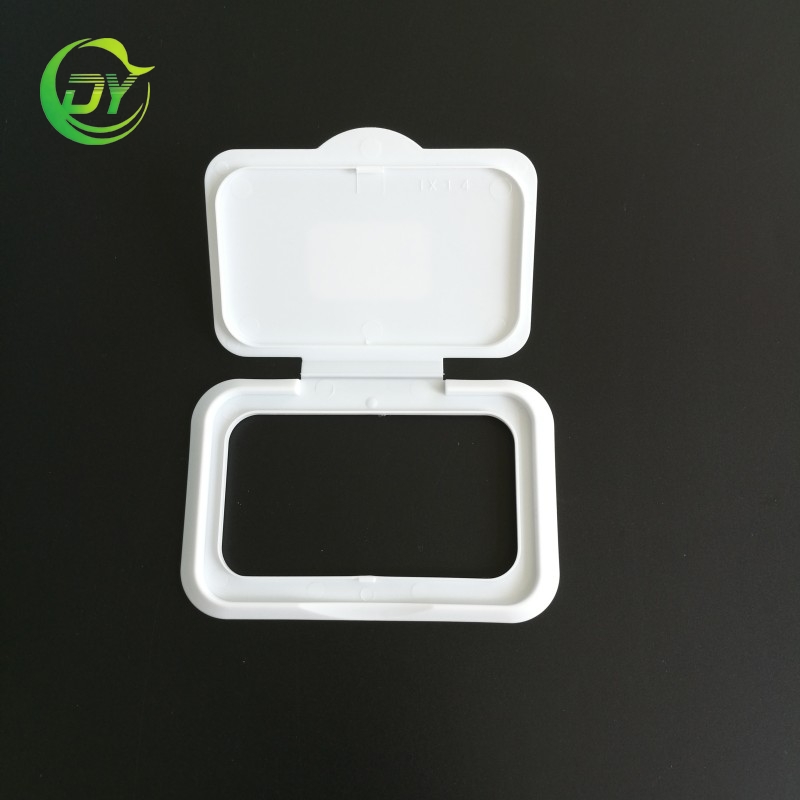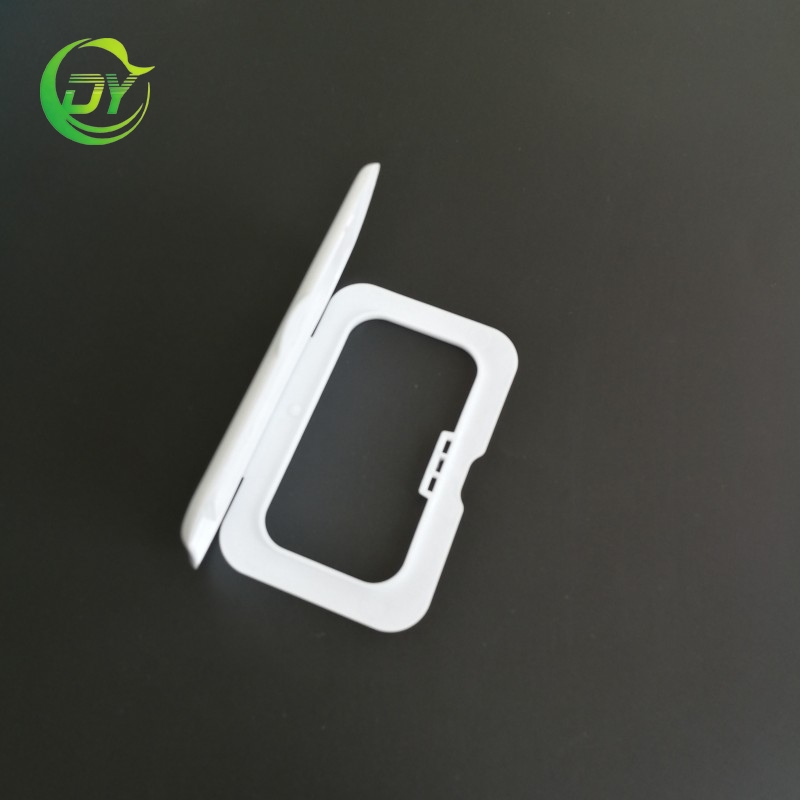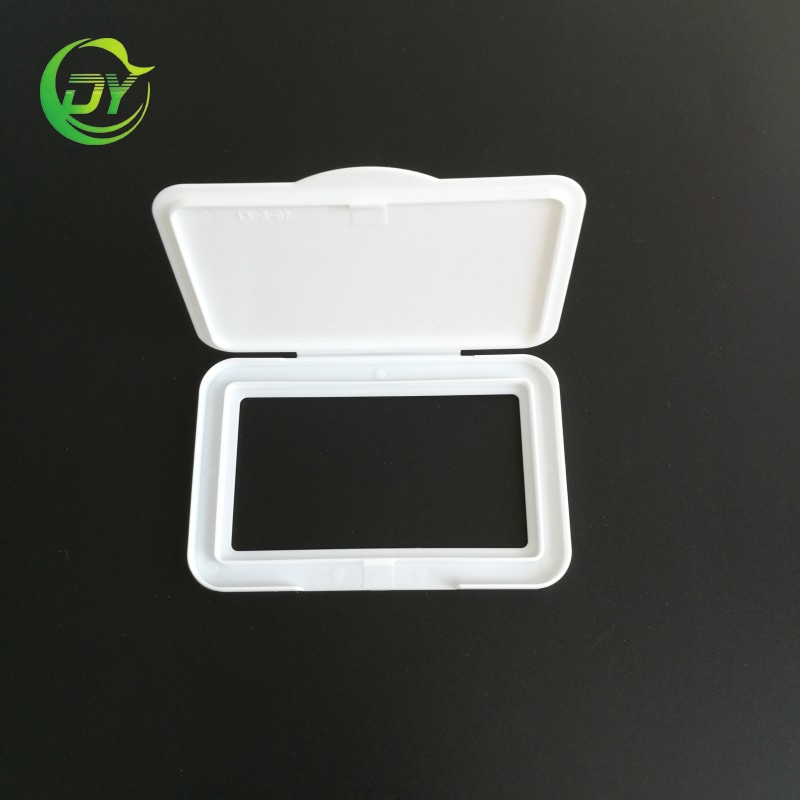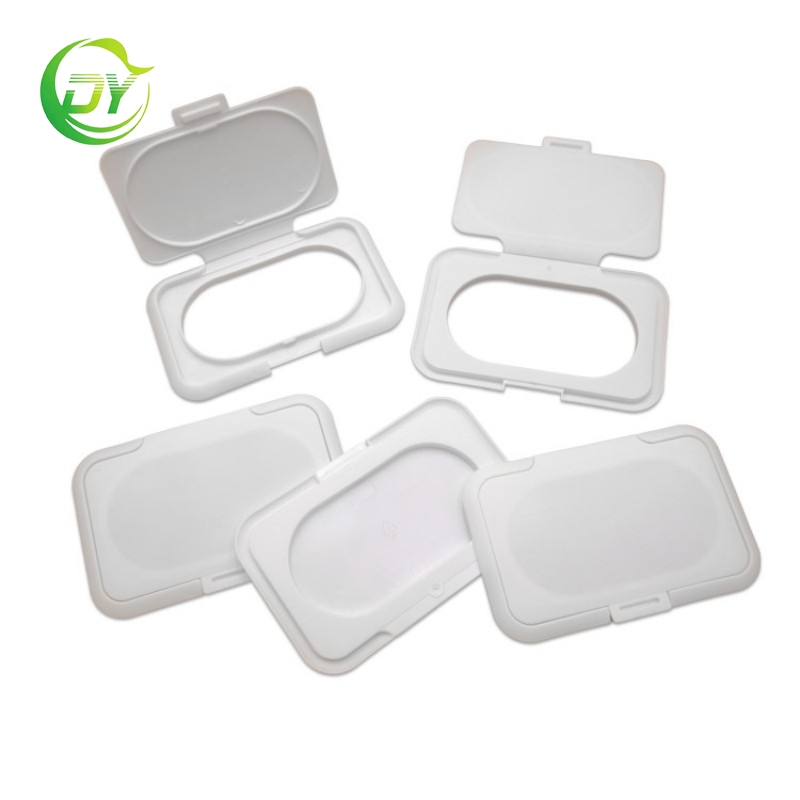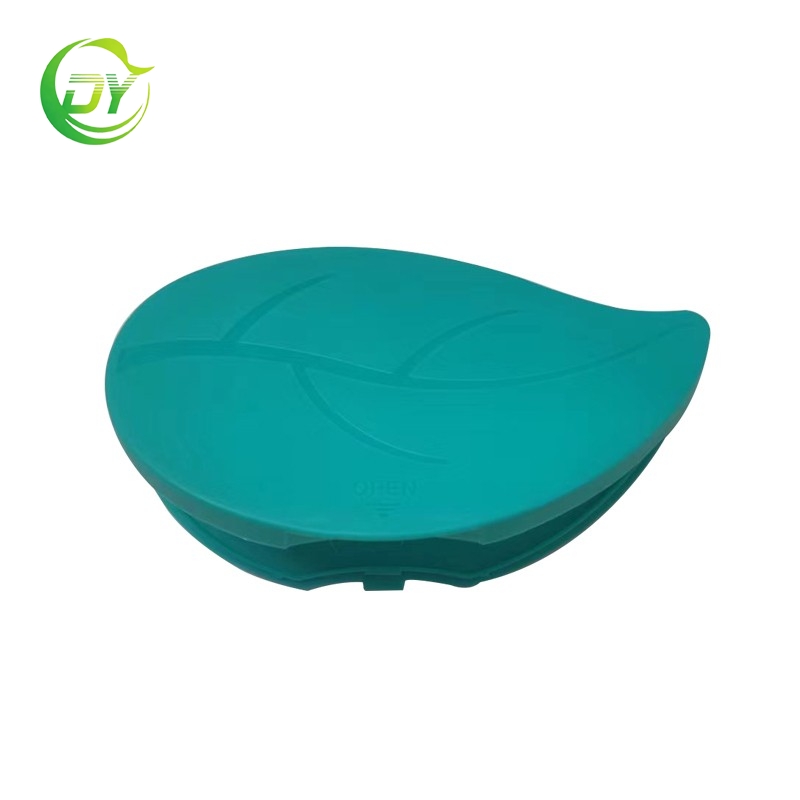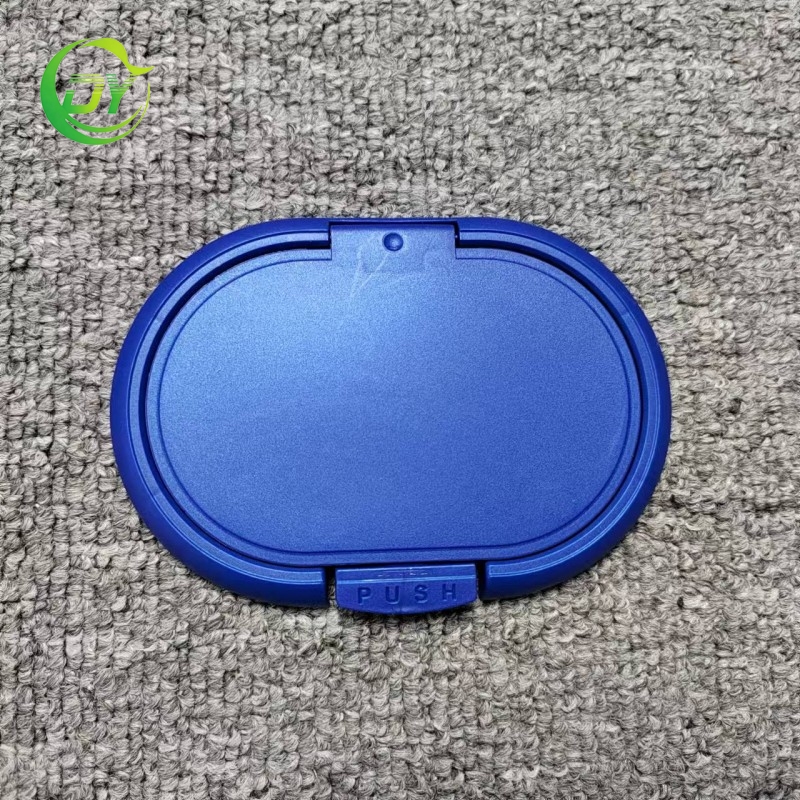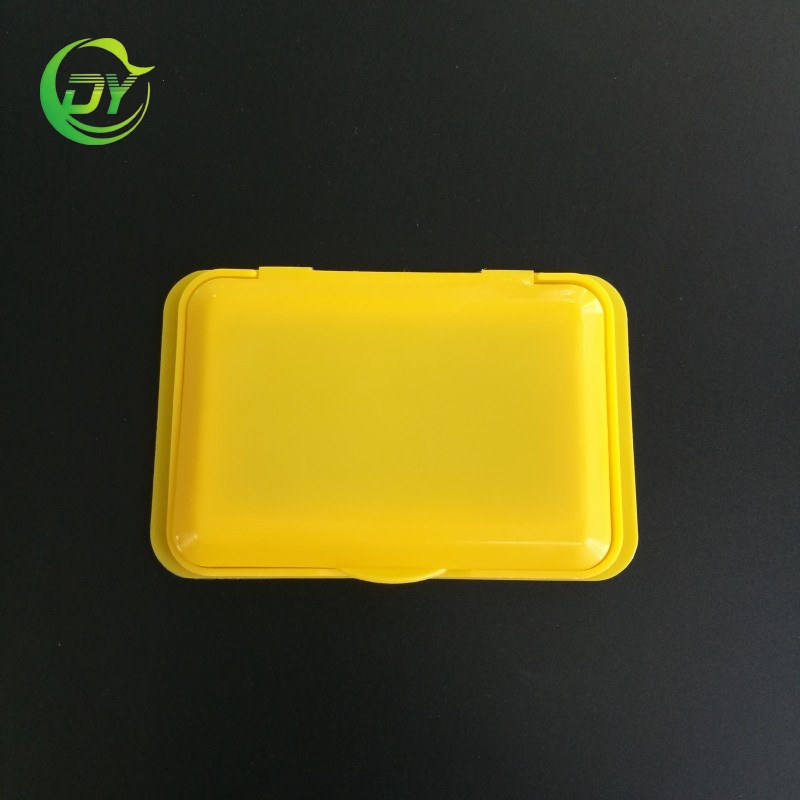
Choosing the right wet wipes lid involves much more than selecting a shape or color. For wet wipes manufacturers, private-label brands, distributors and packaging procurement teams, the lid is part of the complete packaging system that influences moisture retention, dispensing, repeated opening, production-line compatibility and brand presentation.
A lid that looks suitable in a catalog can still create problems when installed on the actual pouch. The footprint may not match the available bonding area, the dispensing opening may be too small for the folded wipes, the adhesive may not bond reliably to the packaging film, or the hinge may not survive the expected opening cycles.
The right selection process therefore starts with the wet wipes package, product application and production conditions rather than the appearance of the lid alone.
Before asking a supplier to recommend a wet wipes lid, define the package it needs to fit.
| Package Information | Why It Matters | What to Provide the Supplier |
|---|---|---|
| Pouch Dimensions | Determines the maximum lid footprint that can fit without interfering with seals, artwork or edges. | Finished pouch length and width. |
| Dispensing Opening | The lid must fully cover the opening while leaving sufficient bonding area. | Opening length, width and position. |
| Wipe Count | Higher-count packs may require larger openings and stronger lid structures. | Number of wipes per pack. |
| Wipe Fold | Interfolded and stacked wipes can behave differently during dispensing. | Wipe dimensions and folding method. |
| Packaging Film | Adhesion performance depends on the actual film or laminate surface. | Film structure and surface information. |
| Production Line | Lid dimensions and placement must match automated or semi-automated application equipment. | Line method, speed and lid placement requirements. |
There is no universal wet wipes lid size. The correct dimensions depend on the finished pouch, wipe count, dispensing opening, folding method and available adhesive area.
As a development reference, common packaging formats may fall into the following general ranges. These should be treated as starting points rather than final production specifications.
| Package Type | Typical Wipe Count | Indicative Lid Footprint | Common Application |
|---|---|---|---|
| Travel / Pocket Pack | 8–20 wipes | Approx. 50 × 35 mm to 65 × 45 mm | Travel wipes, makeup wipes, small personal-care packs |
| Standard Personal-Care Pack | 20–50 wipes | Approx. 70 × 50 mm to 90 × 65 mm | Hand wipes, facial wipes, adult-care products |
| Baby Wipes Pack | 60–100 wipes | Approx. 90 × 65 mm to 110 × 75 mm | Baby care and family packs |
| Large Household / Commercial Pack | 100–200+ wipes | Approx. 110 × 75 mm to 140 × 95 mm | Cleaning, healthcare, hospitality and commercial wipes |
The outside footprint is only one dimension. Buyers also need to check the usable dispensing opening and adhesive contact area.
A lid that is too small may not fully cover the package opening. A lid that is too large can interfere with pouch seals, printed graphics, stacking or automatic application equipment.
For a deeper sizing reference, see What Lid Sizes Are Commonly Used for Different Wet Wipes Packages?.
Closure design affects how the consumer interacts with the product and how effectively the pack can be repeatedly resealed.
| Closure Type | Main Characteristic | Suitable Direction |
|---|---|---|
| Flip-Top Lid | Integrated hinged cap allows repeated one-hand opening and closing. | Baby wipes, personal-care wipes and consumer products where convenience and resealing are priorities. |
| Snap-On Lid | Simple snap-fit structure designed around secure closure and straightforward assembly. | Cost-sensitive or selected household and industrial packaging formats. |
| Open-Frame Lid | Provides a rigid frame around the dispensing area while working with another sealing element. | Packages requiring structural support around the opening. |
| Custom Closure | Shape, opening geometry, hinge, locking point and dispensing structure can be developed around a specific pack. | Private-label or differentiated packaging projects. |
Flip-top wet wipes lids are particularly useful when the consumer needs to open and close the pack repeatedly with one hand.
This is relevant for:
The design should balance opening force, closing force, hinge flexibility and sufficient sealing pressure.
For a detailed closure comparison, see Flip-Top vs Snap-On Wet Wipes Lids.
Material selection affects hinge behavior, stiffness, impact resistance, molding stability, surface finish and compatibility with the overall packaging system.
| Material Direction | Typical Role | Selection Consideration |
|---|---|---|
| PP | Widely used for molded wet wipes lids, particularly living-hinge structures. | Useful balance of stiffness, repeated flexing and injection-molding suitability. |
| ABS | Can be considered for selected rigid customized components. | Appearance, rigidity and final closure design should be evaluated. |
| TPE Components | May be incorporated into selected sealing designs. | Used where softer sealing or functional components are needed. |
Dongyang's current OEM/ODM scope includes PP, ABS and TPE material options depending on the wet wipes lid structure and customization requirement.
The purpose of a wet wipes lid is not to make the package visually more premium. Its first functional responsibility is to help the complete closure system reduce moisture loss while allowing repeated access to the wipes.
Sealing performance depends on several connected elements:
Do not evaluate “airtight performance” from lid appearance alone. The actual assembled pouch should be tested under expected storage, transport and use conditions.
For lids bonded directly to flexible wet wipes pouches, adhesive performance is just as important as the molded plastic part.
Poor bonding can cause:
| Adhesive Selection Factor | What to Confirm |
|---|---|
| Film Structure | Provide the actual pouch laminate rather than only “plastic film.” |
| Surface Treatment | Confirm whether the film surface requires a specific bonding approach. |
| Pack Curvature | A filled pouch may bend differently from an empty flat film sample. |
| Storage Conditions | Consider temperature, humidity and shipping environment. |
| Wipe Formulation | Check whether formulation ingredients could affect the complete package system over time. |
Dongyang also lists custom adhesive label bases as part of its wet wipes lid customization scope, allowing the bonding structure to be developed around different packaging requirements.
Send Dongyang your pouch dimensions, dispensing opening, film structure, wipe count, lid position and target application. The team can help compare standard lids with a customized OEM/ODM solution before you move to mass production.
Different wipes categories place different demands on closure usability, opening size, visual design and package durability.
| Wet Wipes Category | Main Lid Requirements | Selection Direction |
|---|---|---|
| Baby Wipes | Frequent opening, one-hand use, reliable closure and comfortable consumer operation. | Flip-top lid with stable hinge and easy opening/closing. |
| Personal-Care / Cosmetic Wipes | Compact package, visual appearance and repeated resealing. | Standard or customized flip-top lid with branding options. |
| Disinfectant Wipes | Package compatibility, moisture retention and formulation consideration. | Material and closure should be tested with the actual wipe formulation and package. |
| Household Cleaning Wipes | Larger packs, frequent dispensing and durability. | Robust closure with sufficient dispensing opening. |
| Healthcare / Hygiene Wipes | Reliable opening, closing and repeated handling. | Select according to package format and use environment. |
| Industrial Wipes | Durability and practical access can outweigh decorative requirements. | Functional closure selected around pack size and usage frequency. |
For category-specific considerations, see Baby Wipes Lid Guide and Wet Wipes Lids for Disinfectant Wipes.
Two lids can have similar outside dimensions but provide very different dispensing experiences because their internal openings differ.
The opening should be selected according to:
If the opening is too small, wipes may tear, bunch together or become difficult to pull out. If it is excessively large, the package may expose a larger area than necessary when opened.
Wet wipes lids may be opened and closed repeatedly throughout the life of the package. A hinge that performs well during the first few uses can still become a failure point if material selection, hinge thickness or molding conditions are unsuitable.
Sample evaluation should check:
| Durability Item | What to Observe |
|---|---|
| Hinge Flexing | No premature cracking during repeated opening and closing. |
| Closing Engagement | Cap continues to engage consistently after repeated cycles. |
| Opening Force | Opening remains convenient without becoming excessively loose. |
| Warping | Base should remain sufficiently flat for reliable package bonding. |
| Impact / Transport Handling | Lid should not crack or detach under expected handling conditions. |
For more detail, see Wet Wipes Lid Cycle Life: What Affects Hinge and Closure Durability?.
A lid can pass manual testing but still cause problems during high-volume production.
Procurement teams should confirm whether the wet wipes lid is compatible with:
Critical dimensions should remain consistent from batch to batch. Excessive dimensional variation can cause feeding, positioning or adhesion problems on automated lines.
Not every wet wipes project needs a new mold.
Standard lids are usually the more efficient choice when an existing size, opening and shape already fit the package requirements.
| Decision Factor | Standard Wet Wipes Lid | Custom Wet Wipes Lid |
|---|---|---|
| Tooling | Uses an existing mold. | May require new tooling. |
| Development Speed | Generally faster. | Requires design and sample-development stages. |
| Brand Differentiation | Color and selected decoration can still provide differentiation. | Can incorporate proprietary shape and structural design. |
| Package Compatibility | Suitable when an existing specification matches the pouch. | Useful when the pack requires special dimensions, opening or adhesive area. |
| Best Fit | Projects prioritizing speed and established specifications. | Brands requiring a unique appearance or package-specific engineering. |
For a detailed comparison, see Custom Shape vs Standard Shape Wet Wipes Lids.
When standard products do not fully meet the package or branding requirements, the lid can become a customized packaging component rather than a generic closure.
| Customization Item | Possible Direction | Why Buyers Use It |
|---|---|---|
| Size & Shape | Custom overall dimensions, footprint and opening | Match specific pouch dimensions and dispensing requirements. |
| Color | Brand or product-line colors | Create visual consistency across packaging. |
| Logo | Engraving, laser marking or other decoration options | Increase brand recognition. |
| Surface Finish | Glossy, matte, painted or customized finishes | Support different market positioning. |
| Adhesive Base | Customized bonding structure | Improve compatibility with different package materials. |
| Custom Mold / ODM | Proprietary shape or functional structure | Create differentiated packaging for private-label and branded programs. |
Dongyang currently provides OEM/ODM support from design and mold development through sample making and mass production. Review the Custom Wet Wipe Lid service for the available customization scope.
One of the most important purchasing steps is testing the lid on the final package rather than approving it from a drawing or loose sample.
1. Confirm dimensions: measure the overall lid footprint, dispensing opening, adhesive area, thickness and hinge geometry against the approved drawing.
2. Inspect appearance: check color, flash, warping, scratches, logo position and surface finish.
3. Apply the lid to the actual pouch: do not evaluate adhesive performance only on a generic film sample.
4. Test opening and closing: confirm hinge function, opening force, closure engagement and repeated cycling.
5. Test the filled pack: use the real wipe count and formulation because the pouch shape changes after filling.
6. Run a production-line trial: verify feeding, positioning and bonding under the real production process.
7. Keep an approved master sample: use it as the reference for subsequent mass-production inspection.
For a more detailed approval process, see Wet Wipes Lid Sample Approval: Key Dimensions and Performance Checks.
| Purchasing Mistake | Why It Creates Problems | Better Approach |
|---|---|---|
| Buying by Outside Size Only | Ignores dispensing opening and bonding area. | Provide the complete pouch drawing and opening dimensions. |
| Choosing the Lowest Unit Price | Lower price may not compensate for defects, line rejects or customer complaints. | Compare total packaging performance and production consistency. |
| Ignoring Film Compatibility | The adhesive may perform differently on another laminate. | Test using the final package film. |
| Approving by Appearance Only | A good-looking lid can still have weak hinge, sealing or bonding performance. | Complete functional testing before mass production. |
| Skipping Production-Line Testing | Dimensional or positioning issues may only appear at production speed. | Conduct a line trial before a bulk order. |
| Using One Lid for Every Wipes Category | Baby, disinfectant and household packs can have different usage and formulation requirements. | Match the closure to the application and package. |
A detailed RFQ allows the supplier to recommend an existing product or identify whether customization is required.
| RFQ Item | Information to Provide |
|---|---|
| Wet Wipes Type | Baby, personal care, disinfectant, household, medical/hygiene or industrial wipes |
| Wipe Count | Number of wipes in each pack |
| Pouch Dimensions | Finished package length and width |
| Dispensing Opening | Opening length, width and location |
| Film Structure | Actual packaging material / laminate information |
| Preferred Lid Size | Existing specification or maximum available footprint |
| Closure Type | Flip-top, snap-on, open-frame or custom |
| Material | Required or preferred plastic system where specified |
| Color | Standard color or brand-specific requirement |
| Logo / Decoration | Engraving, printing, marking or other branding requirement |
| Adhesive Requirement | Existing adhesive system or request for supplier recommendation |
| Production Method | Manual, semi-automatic or automatic lid application |
| Order Quantity | Sample quantity, trial order and estimated production demand |
| Target Market | Country or region for any required packaging documentation |
Once the basic lid specification is defined, supplier evaluation should focus on whether the manufacturer can reproduce the approved result consistently.
| Supplier Capability | What to Verify |
|---|---|
| Existing Mold Range | Whether standard products already match your pouch dimensions. |
| OEM/ODM Capability | Ability to modify size, shape, opening, logo or mold design. |
| Injection Molding Capability | Production consistency and dimensional control. |
| Sample Development | Ability to provide samples before bulk production. |
| Quality Control | Inspection of dimensions, appearance, hinge and closure performance. |
| Packaging Compatibility Support | Whether the supplier can work with your pouch drawing, film and adhesive requirements. |
| Brand Customization | Color, logo, finish and private-label development capability. |
Dongyang manufactures standard and customized plastic wet wipes lids for baby wipes, personal-care wipes, disinfectant wipes, household cleaning wipes and other packaging applications. Share your pouch drawing, opening size, film structure, wipe count, target lid shape and branding requirements to evaluate an existing mold or a custom OEM/ODM solution.
The most reliable way to choose a wet wipes lid is to stop treating it as an isolated plastic component.
The lid needs to work together with the pouch dimensions, film structure, dispensing opening, adhesive system, wipe fold, formulation and production line. A lid that performs well in one packaging system may not automatically perform the same way in another.
For standard products, an existing lid can reduce development time and tooling investment when its dimensions and functionality already match the package. For differentiated consumer products, custom dimensions, colors, logos, adhesive structures and proprietary molds can help create a closure designed around both function and brand positioning.
Before placing a bulk order, provide the supplier with complete packaging information, approve a physical assembled sample and conduct production testing. This approach is more reliable than choosing a wet wipes lid based only on price, appearance or catalog dimensions.