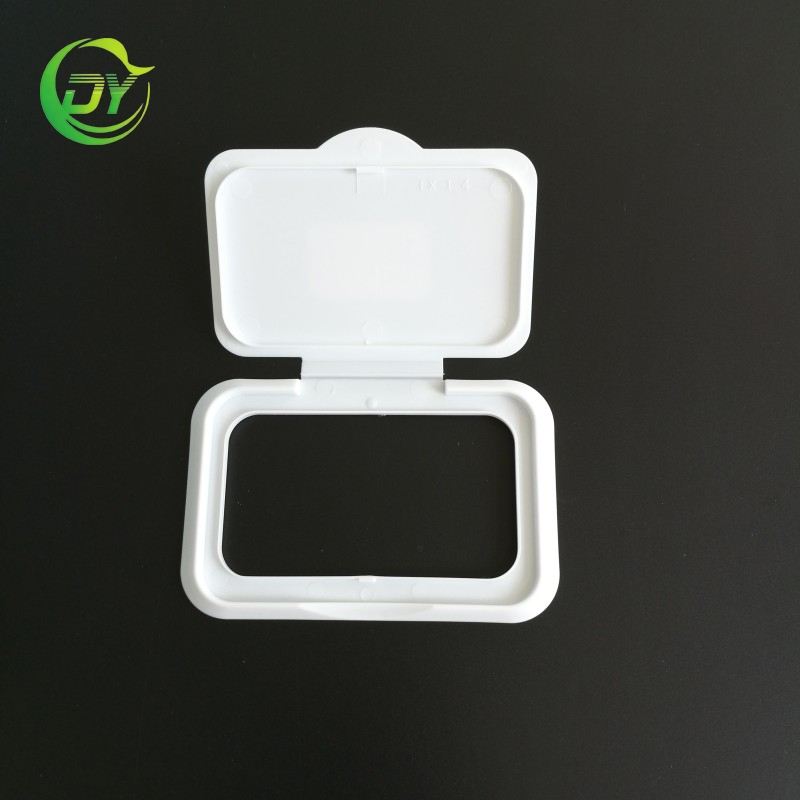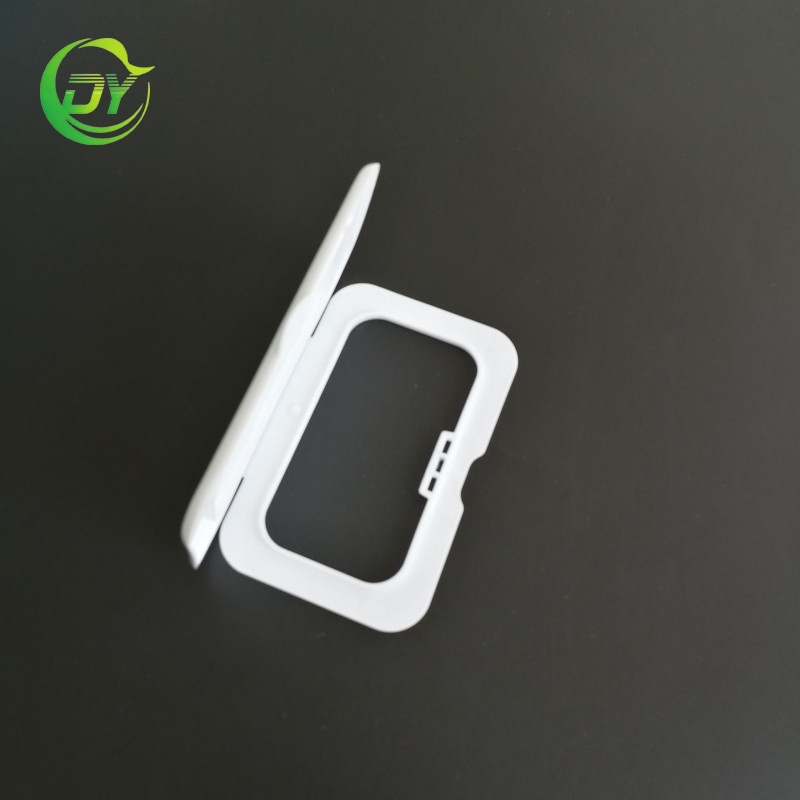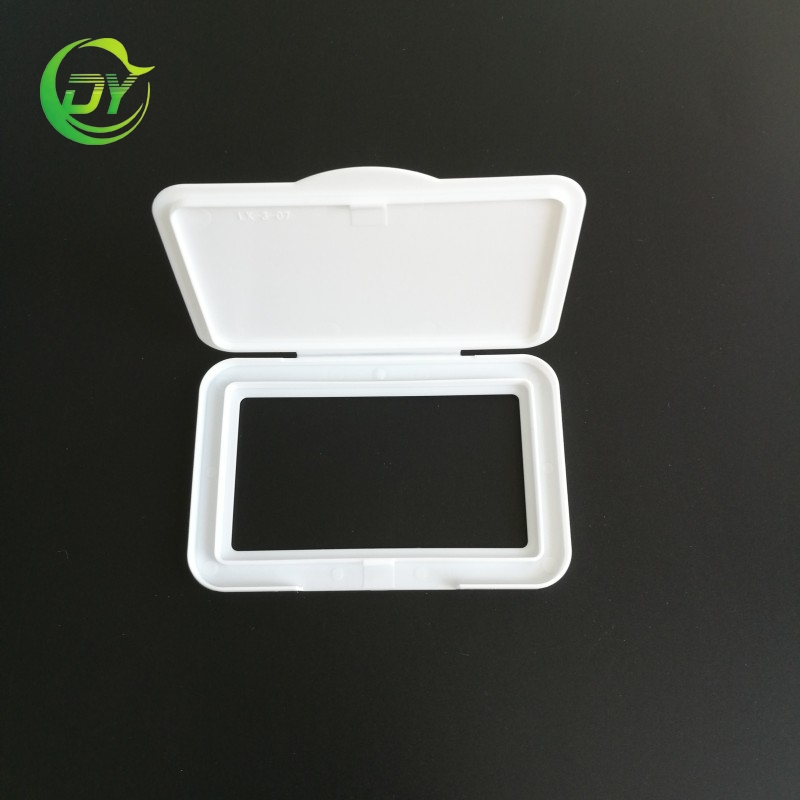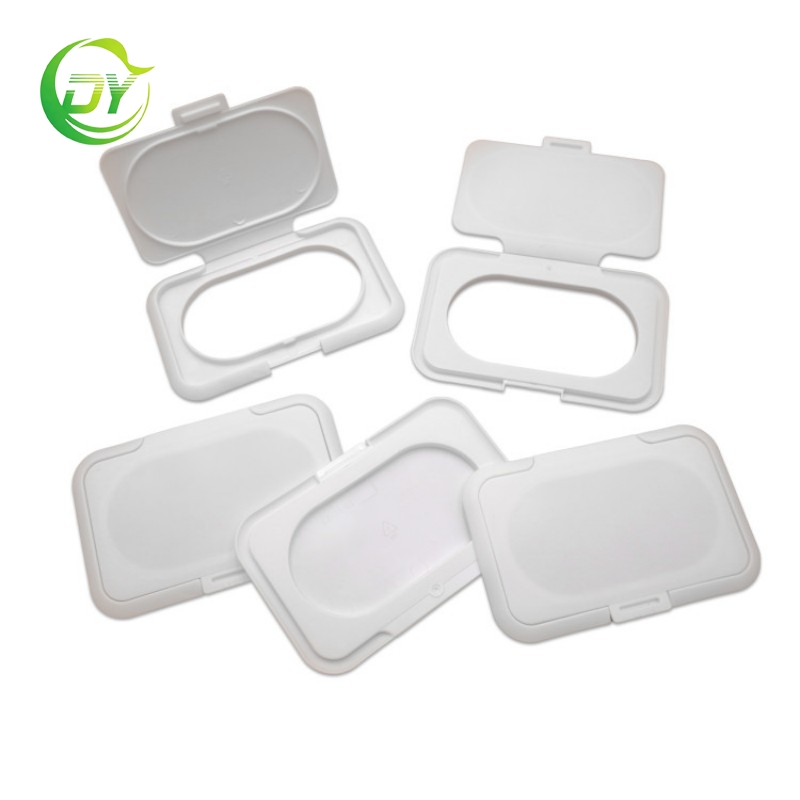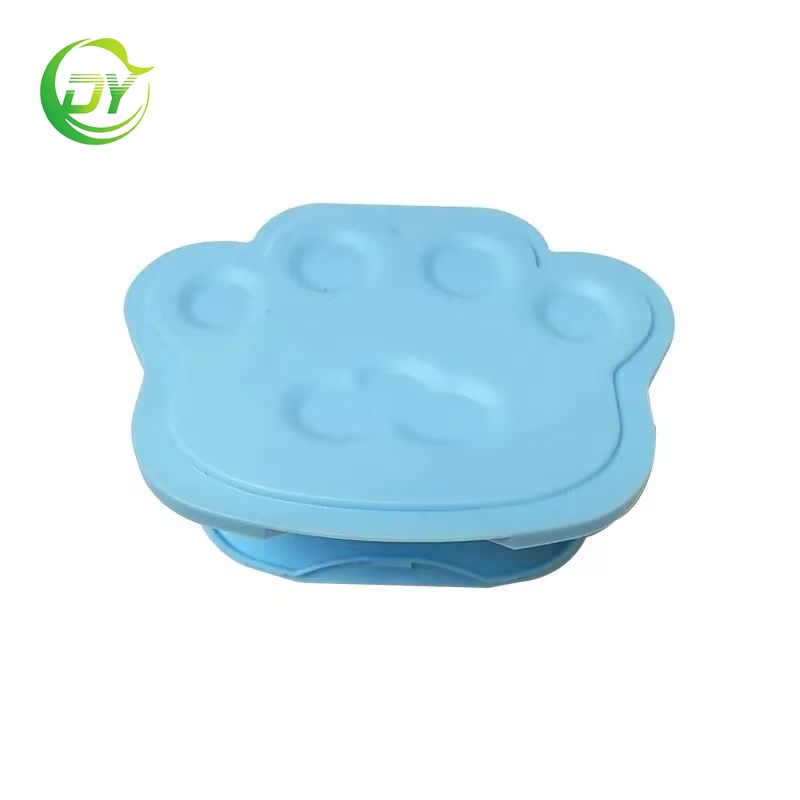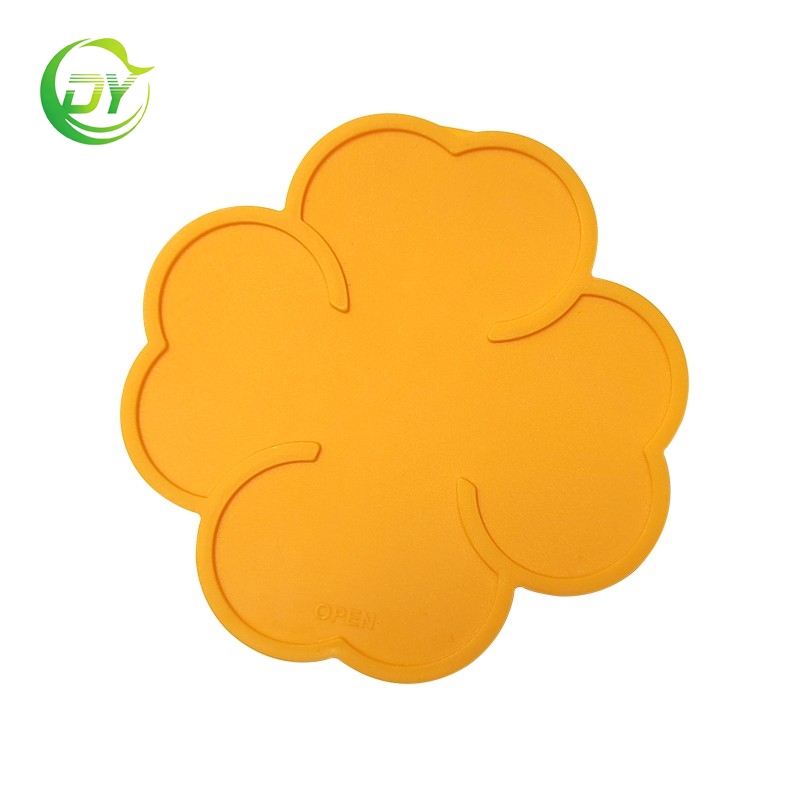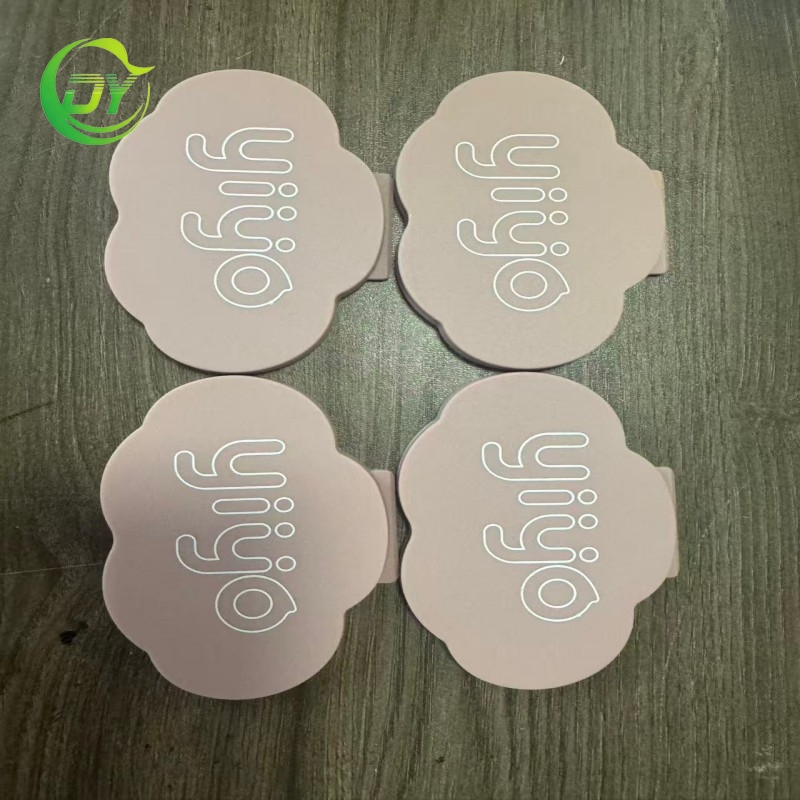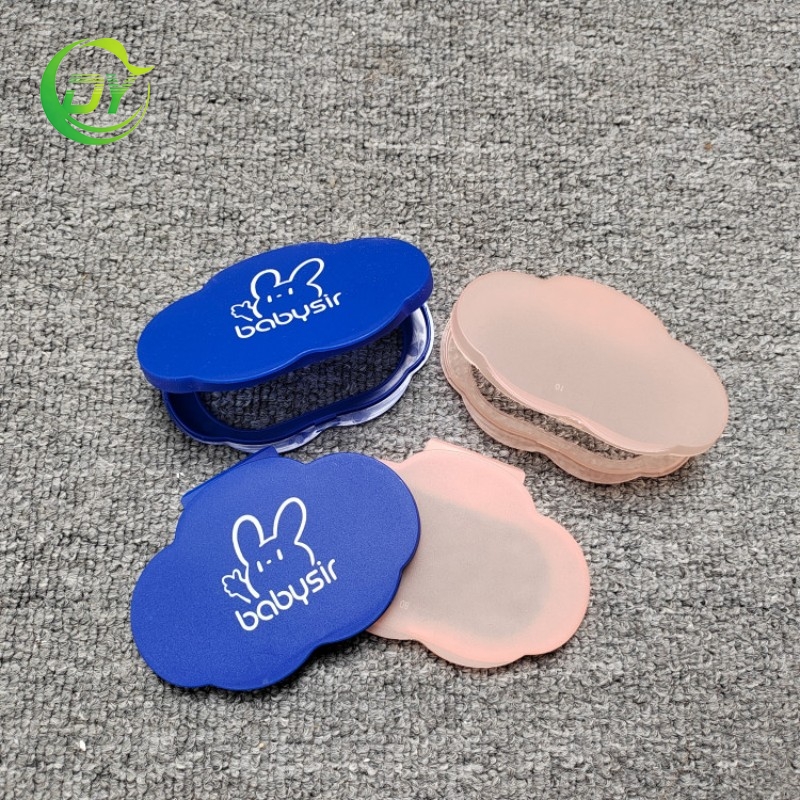
Wet wipes contain water, lotions, cleaning ingredients or other liquid formulations that can gradually evaporate or migrate from the package during storage and repeated use. Once too much moisture is lost, the upper wipes may become dry, dispensing becomes less comfortable and the product may no longer deliver the intended user experience.
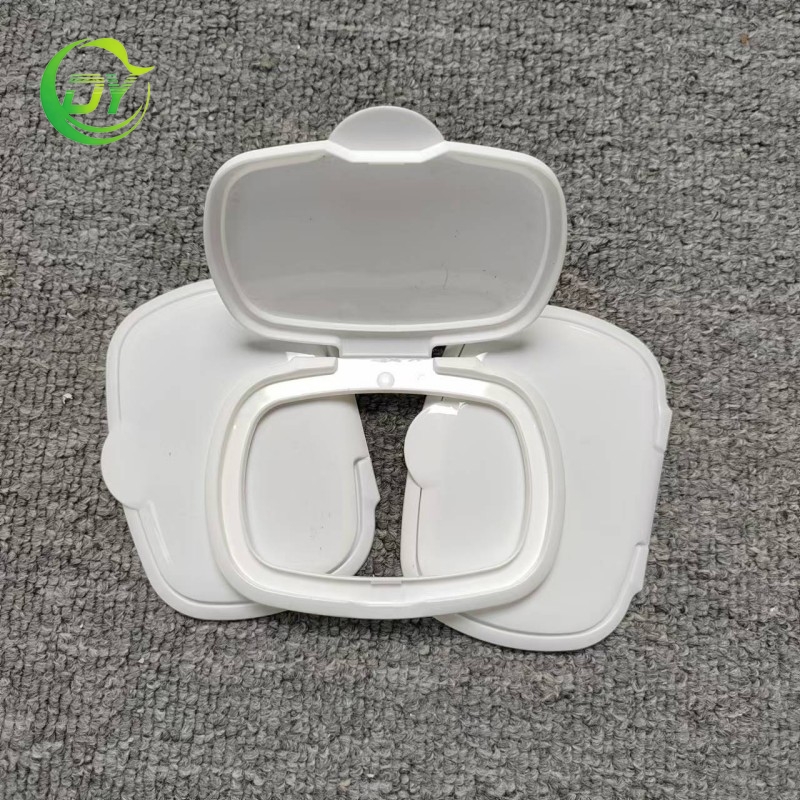
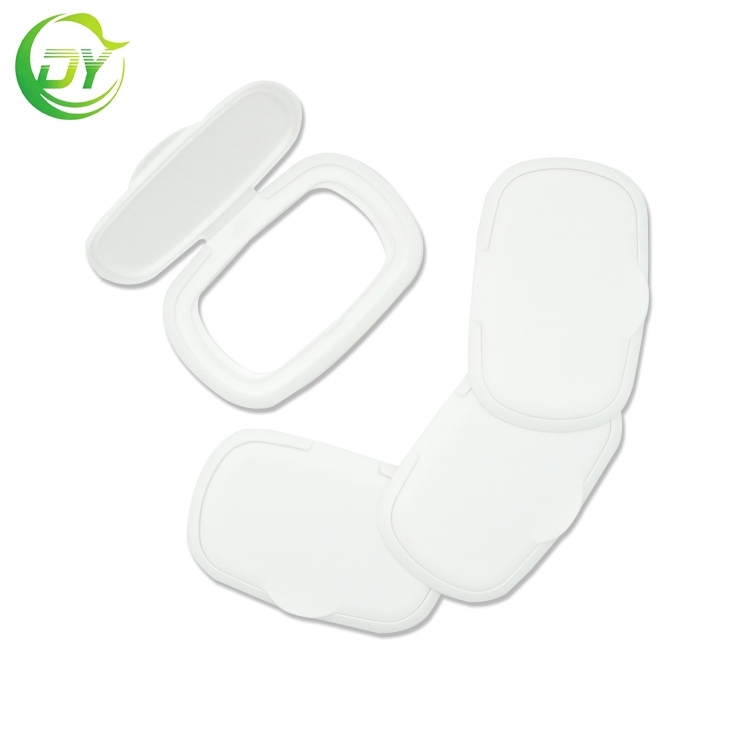
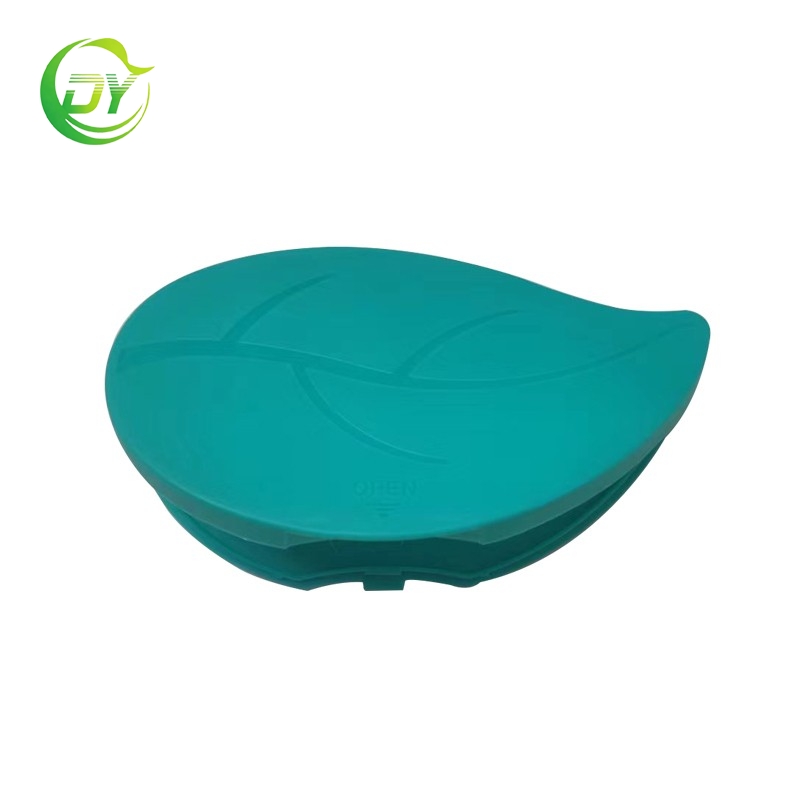
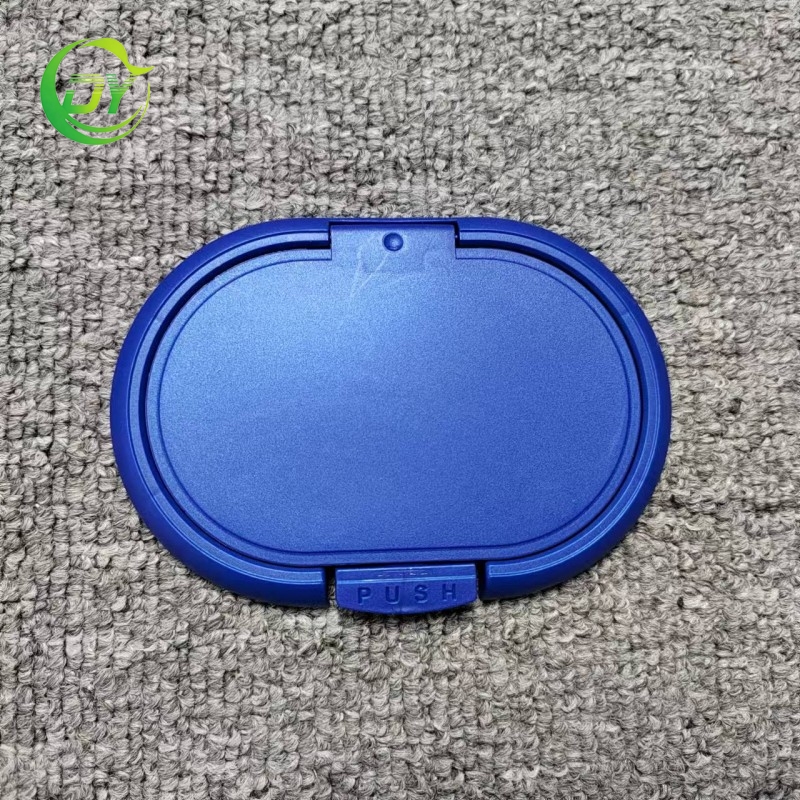
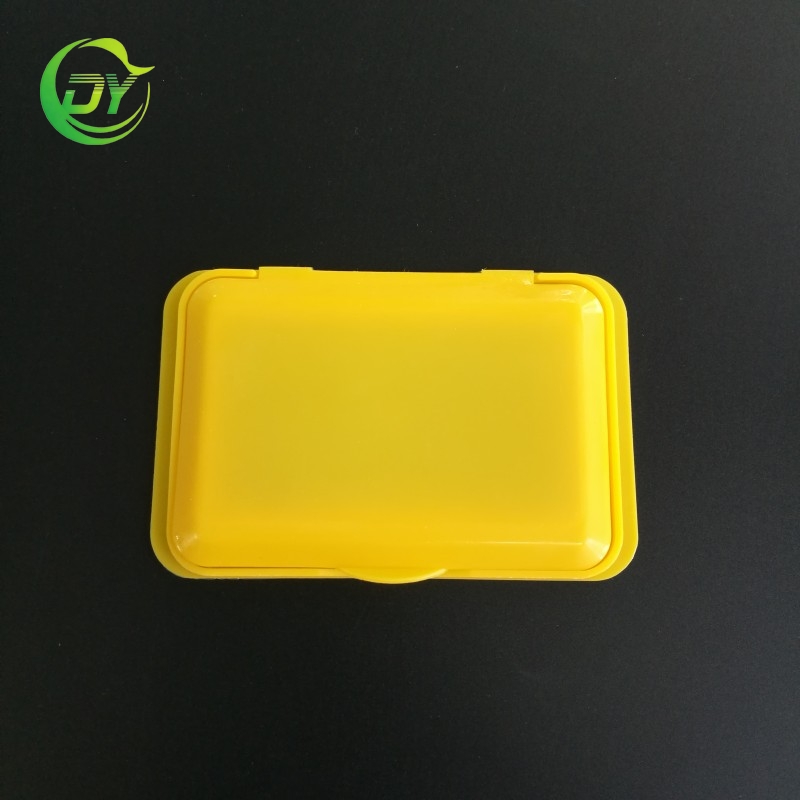
A wet wipes lid helps prevent drying by repeatedly covering the dispensing opening and reducing the amount of moisture vapor and outside air that can move through the opened area of the package.
However, the lid does not work alone. Moisture retention depends on the complete packaging system, including the flexible pouch, adhesive layer, dispensing opening, lid geometry, closing mechanism, wipe formulation and storage conditions.
Wet wipes can lose moisture even when there is no visible liquid leak. Water and volatile ingredients can gradually move through the package or escape through openings and poorly sealed interfaces.
The main moisture-loss paths include:
| Moisture-Loss Path | How It Happens | Role of the Lid |
|---|---|---|
| Dispensing Opening | Moist air inside the pack exchanges with drier outside air when the package is open. | Covers the opening again after each use. |
| Lid-to-Pouch Interface | Poor bonding, lifted corners or uneven contact can leave paths for vapor movement. | Provides a stable bonding base when correctly matched with the adhesive and film. |
| Incomplete Closure | A cap that does not fully engage can leave a small gap over the dispensing area. | A properly designed snap or closing feature helps keep the cap in the intended position. |
| Pouch Film | Moisture can gradually permeate through the flexible packaging material itself. | The lid cannot compensate for insufficient film barrier performance. |
| Repeated Opening | Every opening exposes the wipe stack to outside air. | Enables the pack to be closed again after each dispensing cycle. |
| Heat | Higher storage temperatures can accelerate moisture movement. | Closure integrity still matters, but storage conditions must also be controlled. |
The mechanism can be understood as a sequence of several functions rather than one single “airtight seal.”
Once the original package is opened, the dispensing area becomes one of the most direct paths between the wet wipe stack and outside air.
A reusable lid provides a secondary closure that allows the user to cover this opening after removing a wipe.
This helps reduce:
The lid cover and base are designed to return to a repeatable closed position.
Depending on the lid design, this may be achieved through:
The objective is to minimize uncontrolled gaps when the cover is closed.
The dispensing opening needs to be large enough for the wet wipes to pull through without excessive tearing or bunching, but it should not expose more of the wipe stack than necessary.
Opening design is influenced by:
If the opening is unnecessarily large, more of the wipe stack is exposed whenever the lid is opened. If it is too small, wipes may tear or multiple wipes may be pulled out together.
For lids attached directly to flexible wet wipes pouches, the bond between the lid base and the package is another important moisture-control interface.
A strong lid design cannot compensate for an adhesive system that lifts from the film.
The bonding system needs to consider:
| Bonding Factor | Why It Matters |
|---|---|
| Pouch Film Structure | Different laminates and surface layers can require different adhesive behavior. |
| Lid Base Flatness | Warpage can reduce consistent contact around the bonding area. |
| Available Bonding Area | The lid needs sufficient contact area around the pouch opening. |
| Temperature & Humidity | Storage and distribution conditions may affect adhesive performance. |
| Wipe Formulation | Actual product ingredients should be included in compatibility testing. |
Dongyang's current OEM/ODM scope includes customized adhesive label bases for different packaging requirements.
For flip-top wet wipes lids, the hinge performs more than an opening function. It also helps guide the cap back into the intended closing position.
If the hinge becomes excessively loose, permanently deformed or damaged, the cover may no longer align correctly with the snap or contact surface.
Important hinge variables include:
For more detail, see Wet Wipes Lid Cycle Life: What Affects Hinge and Closure Durability? .
Send Dongyang your pouch dimensions, opening size, film structure, wipe count, wipe fold and product application. An existing flip-top or snap-on lid can be evaluated first, with custom size, shape, adhesive base or OEM/ODM development available when the package requires it.
No. Many wet wipes lids rely primarily on molded plastic closure geometry, snap engagement and the flexible package sealing system.
A TPE or other soft sealing component may be considered when the project requires additional compliant contact or a specific multi-material sealing structure, but it is not automatically required for every wet wipes lid.
Dongyang currently lists PP, ABS and TPE among its available OEM/ODM material options, including TPE sealing components for selected customized structures.
| Structure | Selection Direction |
|---|---|
| PP-Only Flip-Top Lid | Suitable when the molded closure geometry and complete package provide the required performance. |
| PP + TPE Structure | Can be evaluated where a softer sealing interface is required. |
| Custom Multi-Material Design | Requires mold, material and production-process evaluation. |
| Design Feature | Effect on Moisture Retention | Buyer Check |
|---|---|---|
| Snap / Closing Geometry | Helps keep the cover in a repeatable closed position. | Test opening and closing after repeated cycles. |
| Dispensing Opening | Controls how much of the wipe stack is exposed when open. | Test actual wipes for one-at-a-time dispensing. |
| Base Flatness | Supports consistent adhesive contact with the pouch. | Check warpage on production samples. |
| Hinge Stability | Helps maintain cap alignment throughout repeated use. | Perform cycle-life testing. |
| Adhesive Area | Reduces lifting around the lid-to-film interface. | Test with the final pouch film, not generic plastic sheet. |
| Optional Inner Plug / Seal | Can provide another controlled contact interface in selected designs. | Evaluate only if needed for the specific package. |
The wet wipes lid covers only one part of the package. The flexible pouch surrounds the entire wipe stack and therefore contributes significantly to long-term moisture retention.
A high-quality lid cannot compensate for:
For this reason, moisture retention should always be evaluated using the finished pack rather than testing the molded lid in isolation.
The same package can behave differently depending on how consumers use it.
Every opening cycle temporarily exposes the wipe stack to the environment. Frequent-use products therefore place greater demands on the closure.
| Usage Pattern | Closure Requirement |
|---|---|
| Baby Wipes Used Many Times Per Day | Reliable one-hand flip-top closure, stable hinge and repeatable snap engagement. |
| Personal-Care Wipes Used Occasionally | Compact closure with consistent resealing between uses. |
| Large Household Pack | Durable structure capable of remaining functional throughout a longer pack-use period. |
| Travel Pack | Compact closure with reliable bonding during transportation and pouch deformation. |
The lid contributes to moisture retention, but shelf-life performance cannot be guaranteed from the lid specification alone.
Long-term performance also depends on:
For this reason, a supplier should not make a fixed shelf-life claim from lid material or appearance alone. The finished package should be validated through real-time or accelerated storage testing according to the brand's own acceptance criteria.
A practical test compares finished wet wipes packs over a defined period under controlled conditions.
The general evaluation process can include:
1. Assemble production-equivalent packs: use the final pouch film, lid, adhesive, wipes and formulation.
2. Record the initial package weight: use the same measurement method for every sample.
3. Define the storage condition: record temperature, humidity and test duration.
4. Define the opening schedule: if the test represents consumer use, open and close the lid according to a repeatable plan.
5. Reweigh the package: measure weight change at defined intervals.
6. Inspect the wipes: check the top and lower wipes for dryness, texture change or formulation changes.
7. Compare designs: evaluate the standard lid, custom lid or alternative closure using the same test method.
A simple calculation can be used to monitor package weight loss:
The acceptance limit should be established by the wet wipes brand according to the formulation, shelf-life target, packaging specification and intended market.
For the more detailed testing topic, see Moisture Retention in Wet Wipes Packaging: The Role of the Lid .
| Problem | Possible Effect | What to Check |
|---|---|---|
| Warped Lid Base | Uneven contact with the flexible pouch. | Molding stability and flatness. |
| Weak Adhesion | Lid edges may lift from the film. | Film compatibility, adhesive and bonding area. |
| Loose Snap | Cap may not remain fully closed. | Snap dimensions and repeated-cycle performance. |
| Damaged Hinge | Cover may become misaligned. | Material grade, hinge geometry and cycle life. |
| Oversized Opening | More of the wipe stack is exposed during use. | Match opening geometry to wipe dimensions. |
| Consumer Cannot Close Lid Easily | Pack may remain partially open after use. | Opening and closing force. |
| Application | Closure Priority | Why |
|---|---|---|
| Baby Wipes | Repeated one-hand closure and hinge durability. | Packs are often opened many times throughout the day. |
| Personal-Care Wipes | Compact resealing and package appearance. | Products may be used gradually over an extended period. |
| Disinfectant Wipes | Formulation compatibility and complete-package moisture testing. | Formulations can differ from conventional personal-care wipes. |
| Household Wipes | Durable closure and sufficiently large dispensing opening. | Packages may contain larger wipes and higher wipe counts. |
| Travel Wipes | Adhesion and compact closure. | Pouches are exposed to bending, pressure and variable transport conditions. |
Instead of asking a supplier for the “best sealing wet wipes lid,” provide the complete packaging information needed to evaluate the closure.
| Information to Provide | Why It Is Needed |
|---|---|
| Pouch Dimensions | Determines available lid footprint and bonding area. |
| Dispensing Opening | Allows the lid opening to be matched to the pouch. |
| Wipe Size & Fold | Influences dispensing-hole geometry. |
| Wipe Count | Helps estimate pack-use duration and expected closure cycles. |
| Pouch Film | Required for adhesive compatibility evaluation. |
| Wipe Formulation | Important for material and adhesive compatibility testing. |
| Target Shelf Life | Allows the brand to define the necessary validation program. |
| Storage Market | Temperature and distribution environment influence testing. |
| Production Method | Ensures the lid and adhesive process work on the actual line. |
A custom lid is not automatically required to improve moisture retention.
If an existing lid already provides the correct footprint, opening, snap geometry and bonding area, using a proven standard mold may reduce development time and production risk.
Customization becomes useful when:
For the purchasing comparison, see Custom Wet Wipes Lid vs Standard Lid: Which Should You Choose? .
Dongyang supplies flip-top, snap-on, resealable and custom molded wet wipes lids, with OEM/ODM options covering size, shape, color, logo, adhesive base and selected TPE sealing structures. Share your complete packaging specification so the closure can be evaluated together with the pouch rather than as an isolated plastic part.
A wet wipes lid helps prevent drying by covering the dispensing opening after use, maintaining a repeatable closed position, limiting unnecessary exposure of the wipe stack and supporting a stable bond between the closure and the flexible pouch.
The most important design factors include the dispensing opening, snap geometry, hinge stability, lid-base flatness and adhesive interface.
However, the lid is only one part of the moisture-retention system. The pouch film, heat seals, adhesive, wipes formulation, storage temperature and consumer-use pattern also affect how quickly moisture is lost.
For procurement teams, the correct approach is therefore to select the lid together with the package, test the finished filled pouch under defined conditions and approve the complete system before mass production.