News
Different wet wipes lid types are designed for different package formats, wipe categories, consumer-use patterns and production requirements. A lid that works well on an 80-count baby wipes pouch may not be the best choice for a compact travel pack, disinfectant wipes or an industrial cleaning product.
For procurement teams, the useful way to classify wet wipes lids is by closure structure and package application rather than simply describing them as “hard” or “soft.”
The main wet wipes lid types include flip-top lids, snap-on lids, soft-pack resealable lids and custom molded lids. Each option offers a different balance of repeated-use convenience, package compatibility, tooling cost, brand differentiation and production efficiency.
| Wet Wipes Lid Type | Structure | Main Advantage | Typical Application |
|---|---|---|---|
| Flip-Top Lid | Hinged cover integrated with a rigid lid frame. | Convenient repeated one-hand opening and closing. | Baby wipes, personal-care wipes, household wipes. |
| Snap-On Lid | Simplified snap-fit or detachable closure structure. | Straightforward structure and cost-focused production. | Household, industrial and selected economy wipes. |
| Soft-Pack Resealable Lid | Lightweight reclosable structure attached directly to a flexible pouch. | Compact package format and lower structural weight. | Travel packs, smaller wipe packs and lightweight packaging. |
| Custom Mold Lid | Proprietary dimensions, opening, shape, hinge or closure structure. | Package-specific engineering and brand differentiation. | Private-label, premium and proprietary packaging programs. |
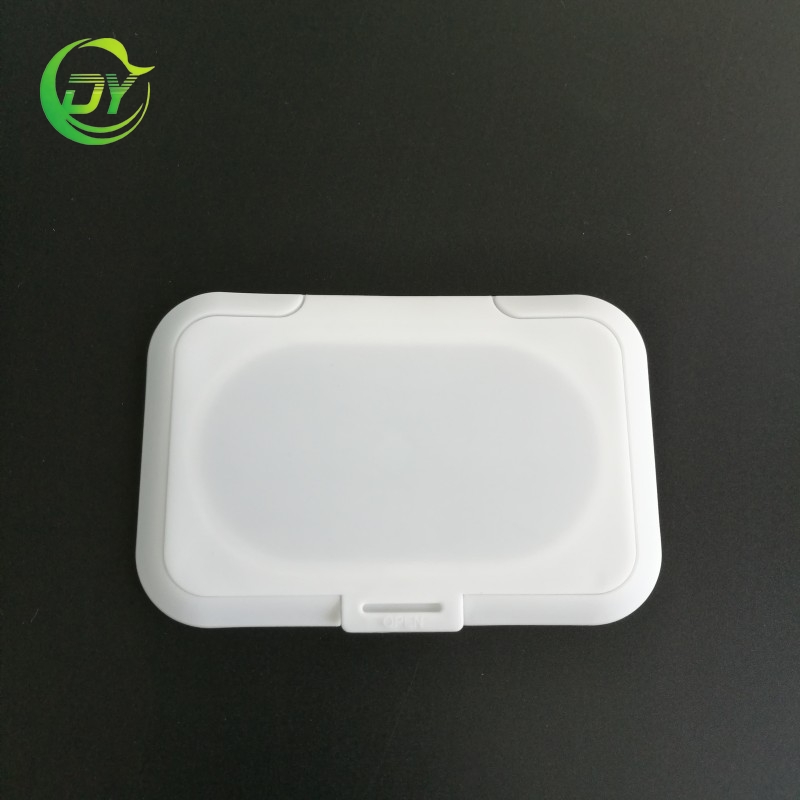
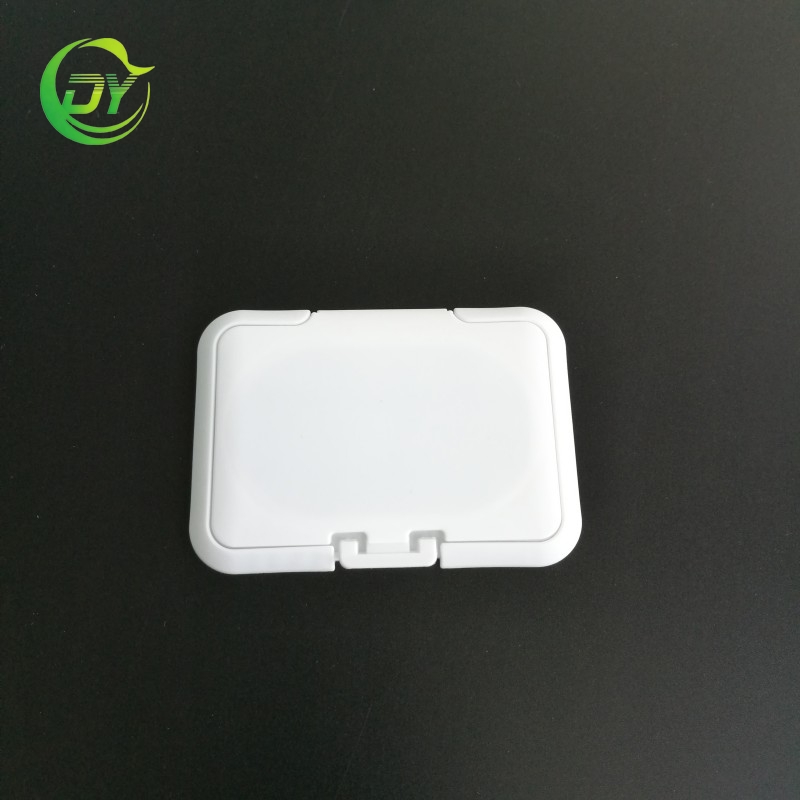
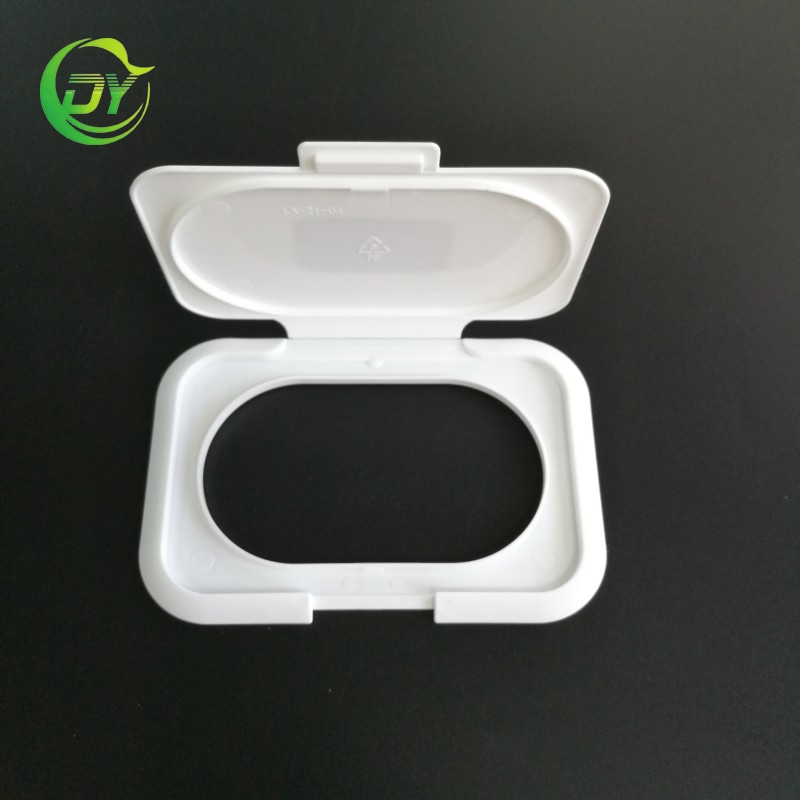
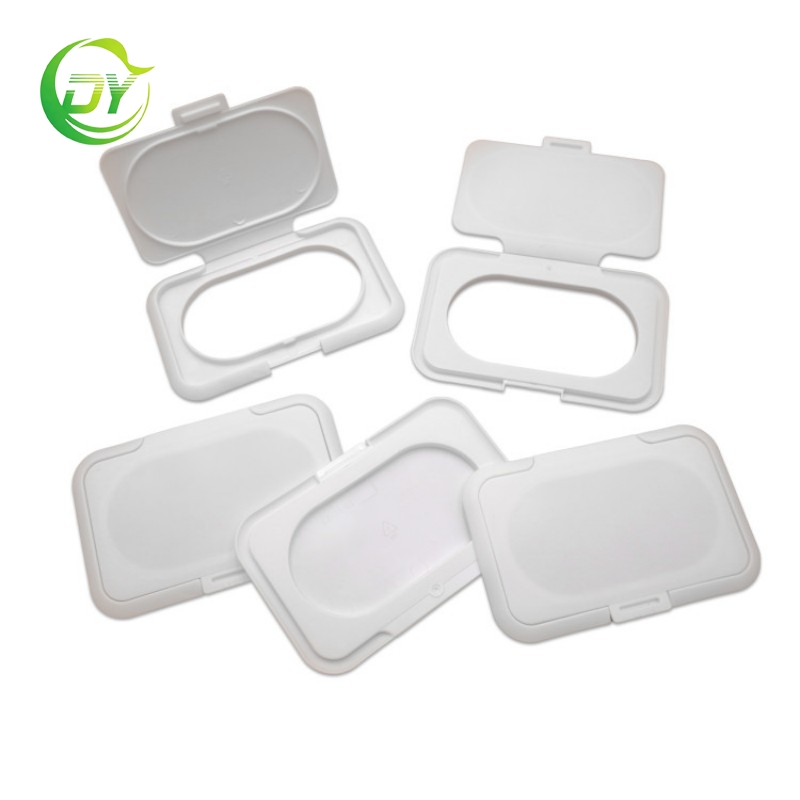
A flip-top wet wipes lid uses a hinged cover connected to a rigid base frame. The consumer lifts the top cover, removes a wipe through the dispensing opening and closes the cap again after use.
This is one of the most common closure types for consumer wet wipes because it supports repeated opening while keeping the cover permanently attached to the package.
| Application | Why Flip-Top Is Common |
|---|---|
| Baby Wipes | Parents often need quick one-hand access and frequent reopening. |
| Personal-Care Wipes | Supports convenient daily use and retail presentation. |
| Household Cleaning Wipes | Suitable for larger packs that are repeatedly opened during use. |
| Healthcare / Hygiene Wipes | Allows repeated access without removing a separate cap. |
Flip-top performance depends on more than the general closure type. The hinge design, snap force, opening geometry, material and molding conditions all influence durability.
For more detail, see Wet Wipes Lid Design for One-Hand Opening and Closing .
A snap-on wet wipes lid uses a simpler locking or snap-fit structure. Depending on the design, the cap may be removable or attached through a simpler closure mechanism than a conventional flip-top living hinge.
Snap-on structures can be attractive when the project prioritizes simple assembly, durability and cost efficiency over a premium hinged user experience.
| Project Priority | Possible Direction |
|---|---|
| Frequent one-hand consumer use | Flip-top is usually the first option to evaluate. |
| Simpler closure architecture | Snap-on may be suitable. |
| Premium retail presentation | Flip-top often provides more familiar consumer interaction. |
| Cost-focused commercial packaging | Snap-on can be evaluated. |
For a direct comparison, see Flip-Top vs Snap-On Wet Wipes Lids: Which Closure Should You Choose? .
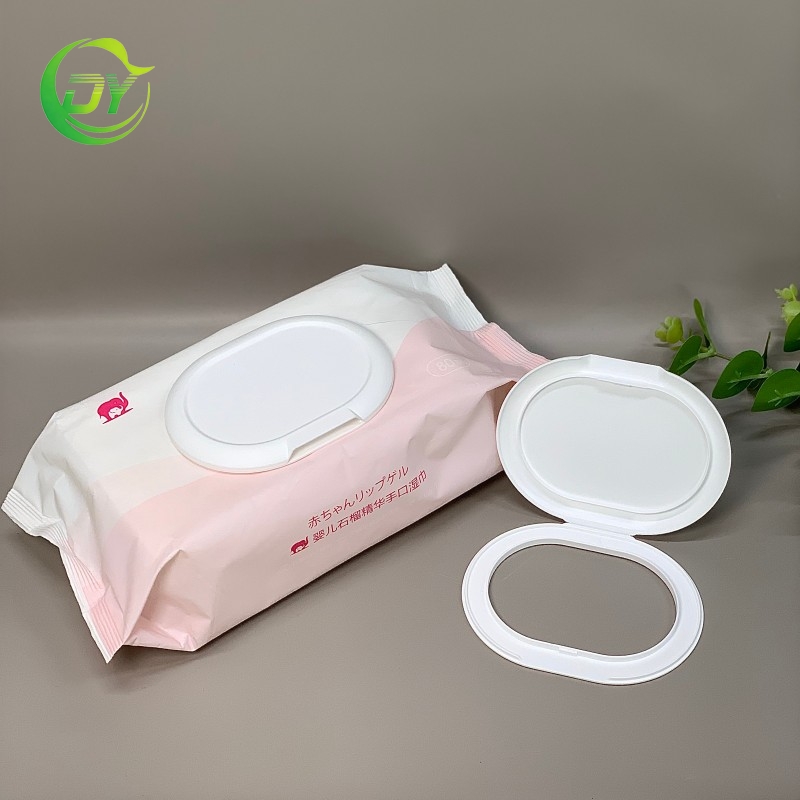
A soft-pack resealable closure is designed around lightweight flexible wet wipes packaging. Depending on the package design, it may use a lightweight plastic frame, self-adhesive backing or another reclosable structure attached directly to the flexible pouch.
This type is especially relevant where package weight, portability and compact dimensions matter.
The lighter structure means buyers should pay particular attention to the relationship between the closure and the flexible pouch.
A custom molded wet wipes lid is developed when an existing closure cannot fully meet the package dimensions, dispensing requirement, production conditions or brand strategy.
Customization may include much more than an unusual external shape.
| Custom Item | Possible Development |
|---|---|
| Overall Size | Length, width, height and package footprint. |
| Dispensing Opening | Opening dimensions and internal geometry matched to the wipes. |
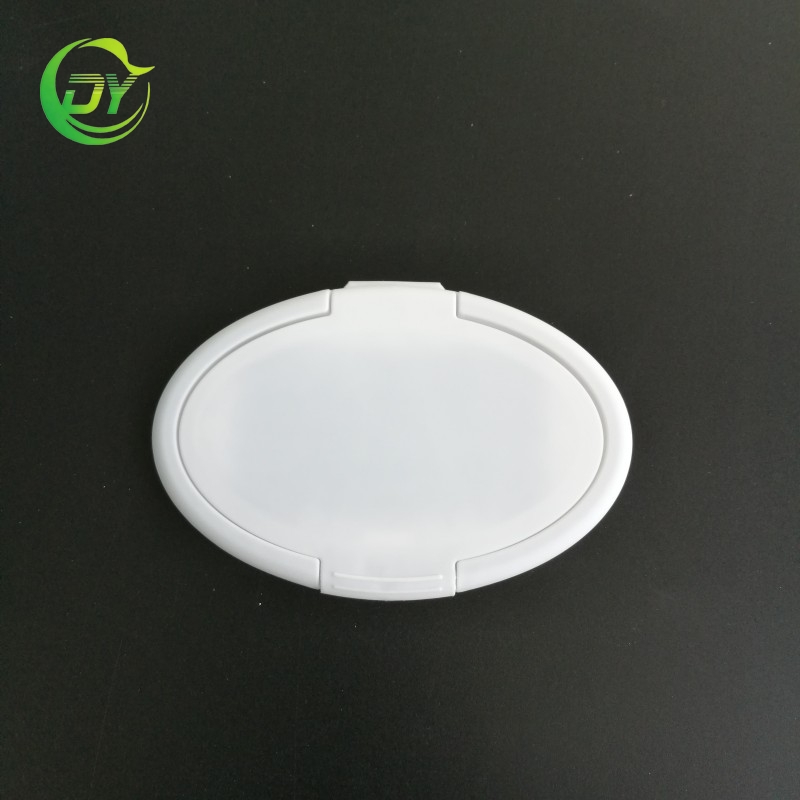
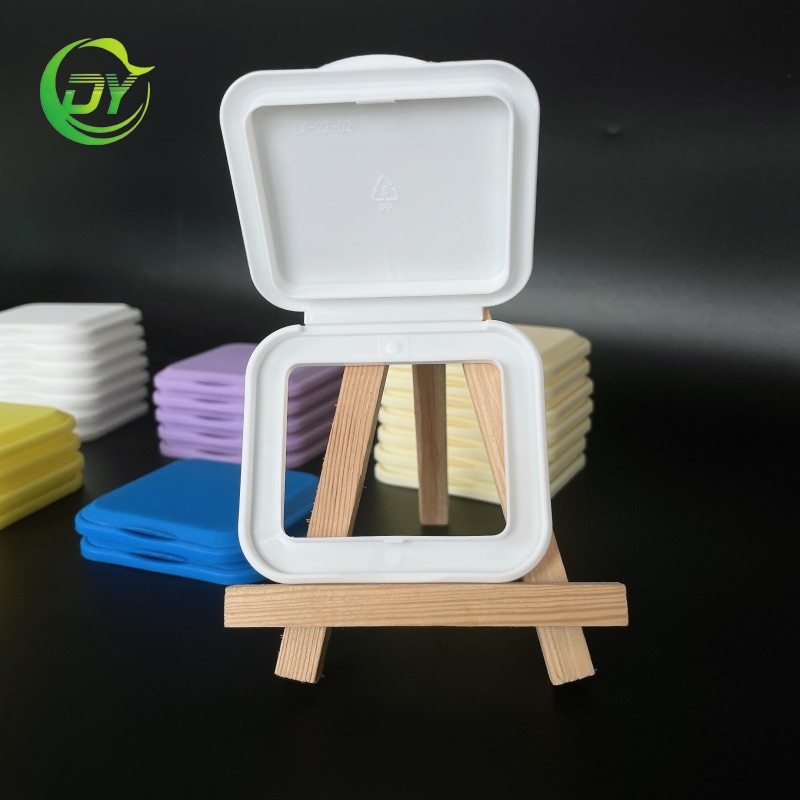
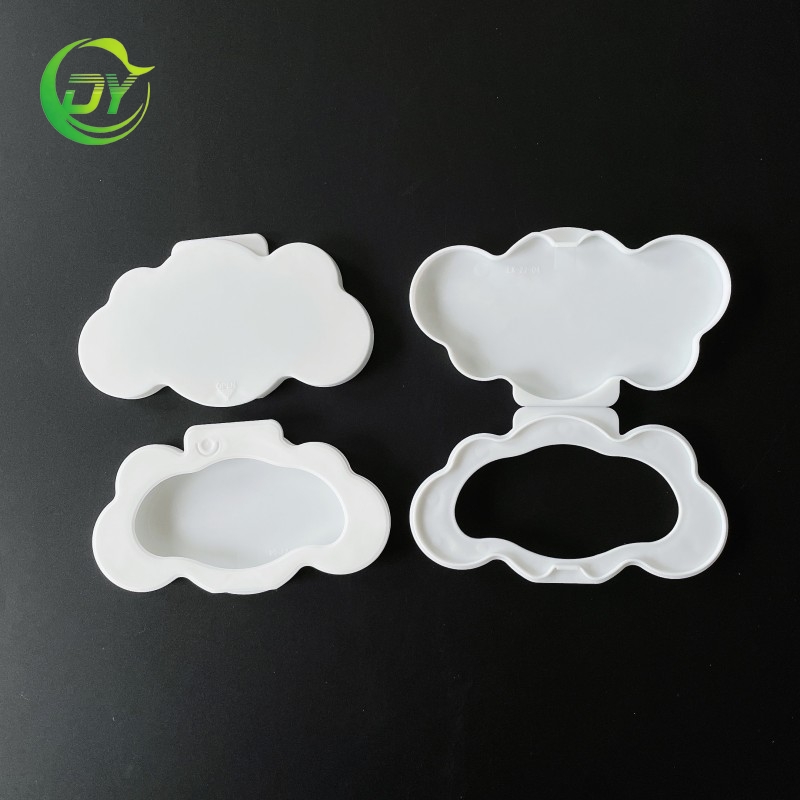
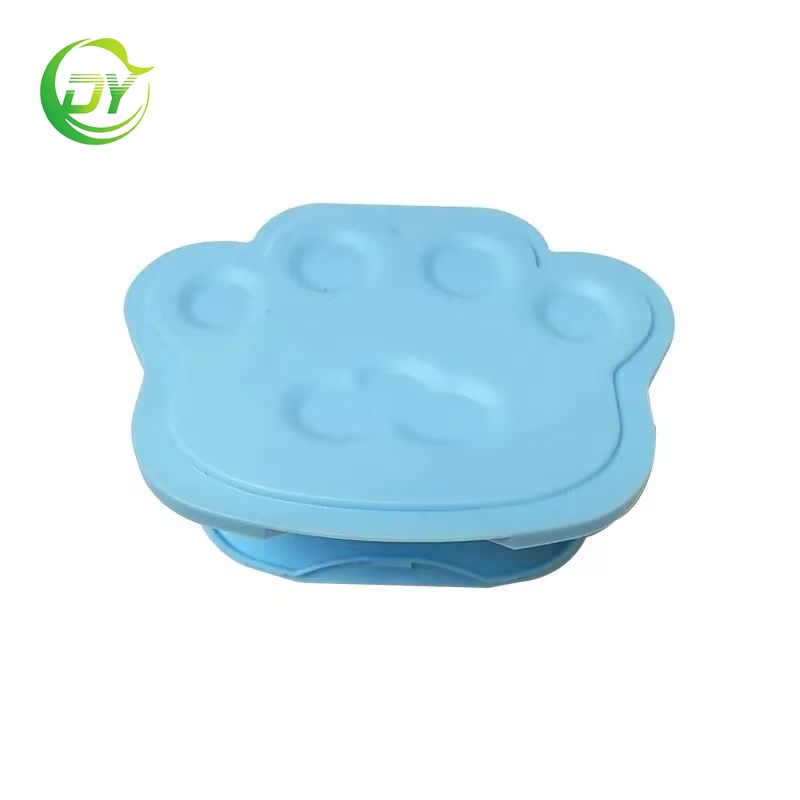
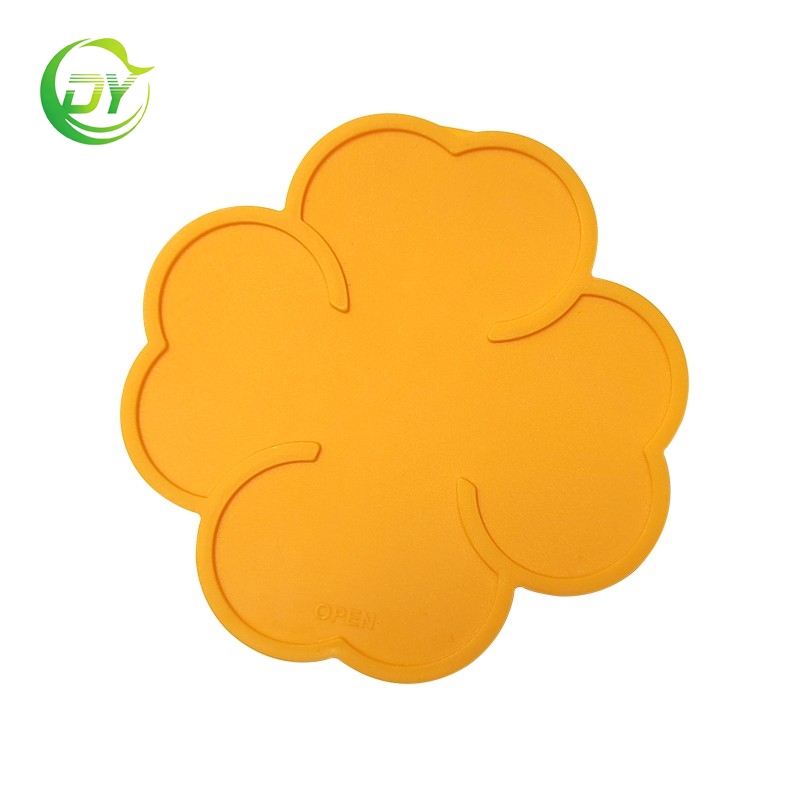
| External Shape | Oval, rectangular, square, decorative or proprietary shapes. |
| Hinge | Living-hinge thickness, width and opening angle. |
| Snap / Lock | Opening force, closing force and retention geometry. |
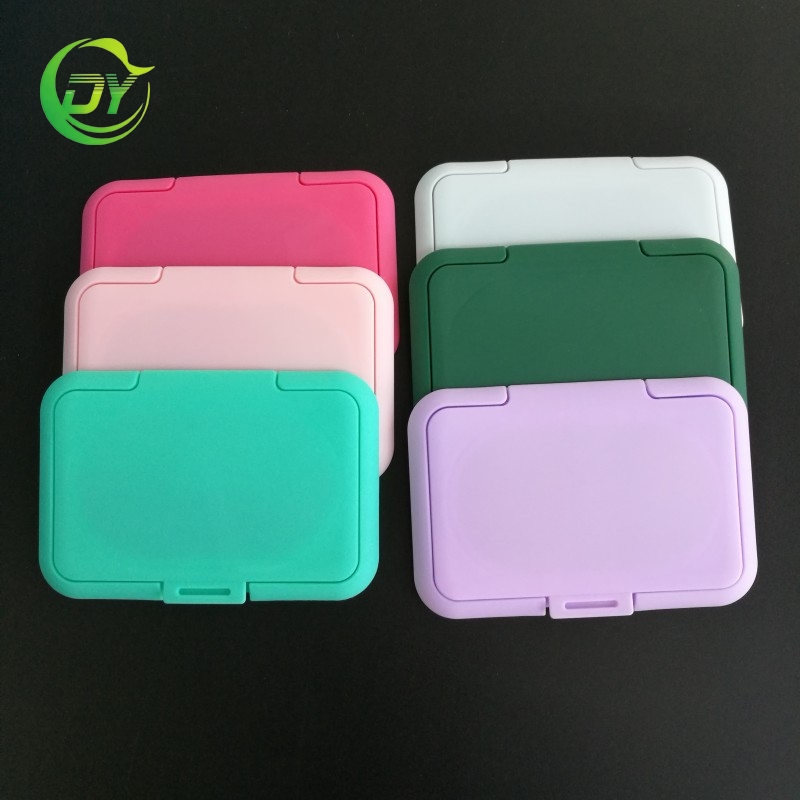
| Logo & Color | Brand-matched appearance and molded or marked identity. |
| Adhesive Base | Bonding area developed for the actual pouch film. |
Custom mold development is most appropriate when it solves a clear packaging or commercial requirement. If an existing lid already works, a standard or semi-custom solution may reduce tooling cost and development time.
See Custom Wet Wipe Lid Design Guide for the complete OEM/ODM development process.
Send Dongyang your pouch dimensions, dispensing opening, wipe count, film structure, target application and production method. The team can compare flip-top, snap-on and existing resealable lid options before recommending whether a custom mold is actually necessary.
The terms hard lid and soft lid are sometimes used in wet wipes packaging, but they describe physical characteristics more than actual closure structures.
For example, a rigid PP flip-top lid can be described as a hard plastic lid, while a lightweight resealable structure may be described as a soft lid. These terms do not explain:
For procurement specifications, it is therefore more useful to specify the actual closure structure, such as PP flip-top lid, snap-on lid, resealable soft-pack lid or custom molded lid.
| Selection Factor | Flip-Top | Snap-On | Soft-Pack Resealable |
|---|---|---|---|
| One-Hand Use | Strong option when designed correctly. | Depends on closure structure. | Depends on reclosure method. |
| Repeated Opening | Designed for repeated hinged use. | Suitable where snap structure remains stable. | Needs validation for the intended cycle count. |
| Package Weight | More rigid plastic than lightweight reclosure systems. | Depends on design. | Usually supports lightweight packaging concepts. |
| Branding Area | Often provides a useful visible surface. | Depends on cap dimensions. | Usually more limited. |
| Cost Focus | Balances user experience with rigid-lid cost. | Can suit simplified cost-focused designs. | Can suit lightweight or compact packages. |
| Typical Direction | Baby, personal care, household. | Household, economy and industrial. | Travel and smaller soft packs. |
Wipe count does not automatically determine the closure type, but it can influence how often the package will be opened and how large the dispensing opening needs to be.
| Package Direction | Possible Lid Direction | What to Confirm |
|---|---|---|
| Small Travel Pack | Lightweight resealable structure or compact flip-top. | Available pouch area and package thickness. |
| Standard Personal-Care Pack | Flip-top or suitable standard rigid lid. | One-hand use, appearance and opening size. |
| Large Baby Wipes Pack | Durable flip-top structure. | Cycle life, opening force and sufficient bonding area. |
| Large Household / Commercial Pack | Flip-top, snap-on or package-specific closure. | Lid strength, wipe thickness and repeated handling. |
For detailed size selection, see What Lid Sizes Are Commonly Used for Different Wet Wipes Packages? .
There is no reliable answer based only on the closure category.
A flip-top structure can provide good repeated closure performance, but only when the complete package is correctly engineered. Likewise, a lightweight resealable design can perform well when the adhesive, pouch film and closure surface are properly matched.
Moisture retention depends on:
For a focused explanation, see Moisture Retention in Wet Wipes Packaging: The Role of the Lid .
| Wet Wipes Category | Starting Lid Type | Main Selection Priority |
|---|---|---|
| Baby Wipes | Flip-top | One-hand opening, repeated use, hinge durability and closure consistency. |
| Personal-Care / Cosmetic Wipes | Flip-top or customized rigid lid | Appearance, portability and brand differentiation. |
| Disinfectant Wipes | Application-specific flip-top or rigid closure | Formulation compatibility, adhesive and complete-package sealing. |
| Travel Wipes | Soft-pack resealable or compact flip-top | Low profile, low weight and compact package dimensions. |
| Household Cleaning Wipes | Flip-top or snap-on | Durability, large opening and repeated handling. |
| Industrial Wipes | Snap-on or robust rigid closure | Function, strength and supply cost. |
After identifying the preferred lid type, the next question is whether an existing model can be used or a custom structure is required.
| Choose an Existing Lid When... | Consider a Custom Lid When... |
|---|---|
| An existing footprint fits the pouch. The opening works with the wipes. Production equipment already supports the lid. Launch speed and tooling control are priorities. |
The pouch uses unusual dimensions. The wipes require a different dispensing opening. A proprietary hinge or snap is required. Brand differentiation justifies tooling investment. |
For the full procurement comparison, see Custom Wet Wipes Lid vs Standard Lid .
Closure type is only the beginning of the specification. Procurement teams should also verify the following items before mass production.
| Check Item | What to Confirm |
|---|---|
| Overall Dimensions | Lid fits within the pouch area without interfering with seals or graphics. |
| Dispensing Opening | Opening works with actual wipe size, thickness and folding method. |
| Material | Material and grade provide the required stiffness, hinge or closure behavior. |
| Adhesive Compatibility | Lid base bonds reliably to the actual film structure. |
| Opening & Closing | Force is suitable for the target user and remains stable after repeated cycles. |
| Production Line | Lid can be fed, positioned and bonded at production speed. |
| Filled Package Test | Evaluate final pack geometry, dispensing and moisture retention after filling. |
| RFQ Item | Required Information |
|---|---|
| Wipes Category | Baby, personal care, disinfectant, household or industrial. |
| Pouch Dimensions | Finished package length and width. |
| Opening Size | Length, width and position of the dispensing opening. |
| Wipe Specification | Wipe dimensions, thickness, fold and count. |
| Film Structure | Flexible packaging material or laminate structure. |
| Preferred Lid Type | Flip-top, snap-on, resealable or request supplier recommendation. |
| Customization | Color, logo, size, shape, adhesive or full custom mold. |
| Application Method | Manual, semi-automatic or automatic placement. |
| Order Quantity | Sample, trial and expected production quantity. |
Dongyang provides flip-top lids, snap-on lids, resealable soft-pack solutions and OEM/ODM custom molded wet wipes lids. Share your package drawing and functional requirements to evaluate an existing model first, then customize only where the package actually requires it.
The most useful way to compare wet wipes lid types is by how the closure works with the package.
Flip-top lids are well suited to consumer products requiring frequent one-hand opening. Snap-on lids can support simpler or cost-focused closure strategies. Soft-pack resealable lids are useful where portability and lightweight packaging matter. Custom molded lids become relevant when a standard closure cannot meet the package dimensions, dispensing requirements or branding strategy.
No lid type should be selected only because it is described as having stronger sealing or lower cost. Final performance depends on the complete system: lid dimensions, opening geometry, material, adhesive, pouch film, wipe formulation and production process.
For procurement teams, the best process is to define the package first, compare existing closure types, test the final filled pouch and only develop custom tooling when it solves a clear functional or commercial requirement.
```